Vegetables on the Grill: A Practical Guide
Learn how to grill vegetables to perfection with practical tips on selection, prep, two-zone grilling, seasonings, and serving ideas from Grill Cooking. Elevate your weeknight sides with smoky flavor and crisp textures.


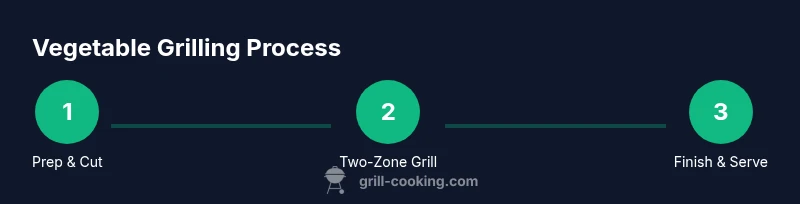
By grilling vegetables, you create smoky flavors, crisp edges, and vibrant textures. To succeed, choose sturdy veggies, cut them into uniform pieces, brush lightly with oil, and manage heat with a two-zone setup. Start with direct heat for searing, then finish over indirect heat to avoid burning delicate edges. Keep skewers or a basket handy for even cooking.
Why grilling vegetables matters
Grilling vegetables is a simple way to add depth of flavor and texture to everyday produce. The direct exposure to high heat caramelizes natural sugars, creating a sweet, nutty character that you don’t get from boiling or steaming. The smoky notes from your grill enhance even the most common staples, turning broccoli, peppers, zucchini, and corn into bold, restaurant-style sides. According to Grill Cooking, vegetables grilled with a light oil and proper heat management preserve nutrients and offer a satisfying bite that compares favorably to other cooking methods. When you grill vegetables, you also open up opportunities for creativity: skewering colorful pieces, layering them with herbs, or finishing with a bright squeeze of citrus. The goal is consistent sizing so each piece finishes together, achieving a balance of tenderness and bite across the platter.
To start, treat vegetables like you would a protein: clean, pat dry, and trim any tough ends. Dry vegetables promote browning and reduce steaming, which can sap flavor. A two-zone setup—hot direct heat for searing and cooler indirect heat for gentle cooking—lets you control browning without scorching. Use a grill basket for small items like mushrooms or diced onions to prevent pieces from slipping through grates. If you’re grilling corn, par-shock or use a foil packet to protect the kernels from burning before they develop the signature char. With practice, you’ll learn which vegetables tolerate longer grill times and which benefit from quick, hot sears.
Choosing the right vegetables for grilling
Selecting the right vegetables sets the foundation for successful grilling. Sturdy, high-water-content vegetables like bell peppers, zucchini, eggplant, asparagus, corn, onions, and mushrooms handle direct heat well and develop flavorful char marks. Denser vegetables such as carrots or thick asparagus stalks may require a two-step approach—par-cook or slice thinner for even cooking. Delicate greens and leafy items, while not ideal for long direct grilling, can be transformed when cut into thick ribbons or threaded onto skewers with sturdier neighbors. Aim for uniform thickness to ensure equal cooking times across pieces. When in doubt, choose vegetables with a similar cooking rate or plan for a two-zone method to address variations. Pre-tasting your produce’s ripeness helps you tailor seasoning and oil to enhance natural sweetness. Remember that color matters: vibrant reds, yellows, and greens signal freshness and contribute to an appealing plate. Grill Cooking recommends prioritizing seasonal produce for best flavor and value.
Commonly grilled vegetables include bell peppers, zucchini, yellow squash, eggplant, asparagus, mushrooms, onions, corn on the cob, and sugar snap peas. For a mixed platter, select items that can be sliced to similar thickness and finish using the same heat strategy. Smaller items can be kept whole (like cherry tomatoes on skewers) or halved to promote faster caramelization. If you’re using a two-zone setup, place starchier vegetables closer to the heat and more delicate ones toward the cooler side to avoid scorching. Finally, keep an eye on seasonal availability; peak-season vegetables often grill more quickly and deliver richer flavors.
Prep and marination basics
Prep is the quiet hero of great grill vegetables. Start with a clean surface and dry produce to promote browning. Cut vegetables into uniform sizes so they cook evenly; uneven pieces can lead to undercooked centers or over-charred edges. Lightly coat vegetables with a high-smoke-point oil (like canola or grapeseed) or brush with olive oil for flavor. Oil helps with browning, reduces sticking, and carries seasonings to the surface. Salt and pepper are essential, but you can also experiment with garlic powder, paprika, cumin, lemon zest, or fresh herbs. If you’re marinating, keep it brief—long marinades can overpower the vegetables while making them soggy. For a two-zone grill, prep vegetables in a way that yields similar cooking times and consider using a grill basket for smaller pieces. A practical approach is to season vegetables right before they hit the grill to maximize surface contact and ensure bold flavor.
Herbs, citrus, and finishing sauces can lift grilled vegetables dramatically. Fresh lemon juice or zest brightens the plate, while herbs such as parsley, cilantro, or dill add a contrasting aroma. If you’re aiming for a smoky, umami finish, consider a light brush of tamari or balsamic glaze toward the end of cooking. The key is balance: you want the vegetables to taste like themselves with a hint of smoke and a touch of brightness, not a drowned flavor profile. Grill Cooking emphasizes keeping flavors clean and complementary to your main dish.
For tools, have a long-handled pair of tongs, a silicone brush for oil, a sharp knife, and a sturdy cutting board ready. A grill basket or skewers can help with small or irregularly shaped pieces. Remember to pat vegetables dry after washing; moisture can create steam and hinder browning. As you gain confidence, vary vegetable cuts to maximize surface area, which improves caramelization and flavor development.
Grilling methods: Direct vs indirect for vegetables
Direct heat is ideal for searing and browning, producing those beautiful grill marks and a slightly charred exterior that adds depth to the flavor. Place vegetables directly over the hot zone, then turn them to develop even browning on all sides. For slender pieces like asparagus or green beans, a quick 1-2 minute per side sear can be sufficient; thicker slices like eggplant rounds or zucchini planks may need longer direct contact to begin tenderizing.
Indirect heat is your friend for thicker vegetables or larger chunks, allowing the interior to soften without charring excessively on the outside. Create a two-zone setup: one side with high heat for searing, the other with lower heat to finish cooking and concentrate flavors. Move vegetables to the cooler area once they develop color and a slight bite, then check tenderness with a fork. If your grill runs hot, use the lid to trap heat and capture convection around the vegetables. Two-zone cooking helps you control texture, keep moisture, and prevent burnt edges while ensuring even doneness across the platter.
Timing depends on thickness and type. Bell peppers and onions may take 6-9 minutes total with occasional turning, while corn can require longer to develop a char and pop of sweetness. Corn can be wrapped in foil to protect kernels and steam them gently, or left naked for direct char and smoky aroma. The objective is coat and caramelize, then rest before serving to let juices redistribute. Remember: consistent spacing matters—crowded vegetables steam rather than grill, hindering browning.
Seasoning strategy matters too. A simple approach of oil, salt, and pepper lets the natural vegetable flavors shine, while bold rubs (garlic, chili, cumin) can tailor your platter to a theme (Mediterranean, Mexican, or Asian-inspired). Keep flavor additions light in the beginning and build toward the finish with fresh herbs or citrus for balance.
Sauces, seasoning, and finishing touches
Seasoning vegetables at the right moments transforms simple produce into crave-worthy sides. A light coat of high-smoke-point oil helps with browning and prevents sticking, while salt should pair with the vegetable’s natural flavors rather than overwhelm them. Pepper is a base, but consider finishing salt or flaky sea salt for texture. Dry rubs and spice blends are excellent on heartier vegetables like eggplant and zucchini, adding warmth without masking flavor. For tomatoes, peppers, and mushrooms, a drizzle of balsamic glaze or a hint of soy can carry their sweetness and add a savory note that complements grilled meat or fish.
Finish with brightness. A squeeze of fresh lemon or lime, a sprinkle of chopped herbs (parsley, chives, cilantro), or a few shavings of citrus zest can lift the entire dish. If you want a creamy contrast, a dollop of yogurt-based sauce or a light herb aioli pairs beautifully with smoky vegetables. For vegan or dairy-free meals, consider a tahini drizzle or a simple olive oil and herb mix. The key is balance: you want the seasonings to enhance, not overpower, the vegetables’ natural flavors.
Presentation matters too. Arrange vegetables on a warm platter with a few lemon wedges or herb sprigs for color. If you’re serving a mixed barbecue spread, consider grouping vegetables by color or ingredient family to create an inviting, vibrant display. Pair grilled vegetables with fresh greens or a grilled protein for a balanced plate that satisfies both palate and nutrition goals.
Troubleshooting common grilling issues
Even experienced grills can face a few hiccups when vegetables don’t come out as planned. Common problems include uneven doneness, burning edges, vegetables sticking to the grate, and insufficient flavor development. If pieces cook unevenly, re-cut them into uniform sizes and align them across the grill bars to ensure consistent contact with heat. When charring occurs too quickly, move the vegetables to indirect heat earlier and monitor closely, turning often to prevent scorching. Sticking usually means the pieces weren’t dry enough or the grill surface needs oiling; wipe the grates with a lightly oiled paper towel or spray a thin film, then reapply oil to the vegetables before continuing. If flavor is flat, revisit the seasoning: a touch more salt, a citrus note, or a splash of a flavorful glaze can transform the dish without overpowering it.
Consider equipment adjustments if you regularly encounter sticking or uneven browning. A grill basket is a simple upgrade for herbs, mushrooms, and smaller items, reducing the risk of pieces falling through the grates. A two-zone setup is essential for thicker vegetables; if you don’t have a two-zone system, consider searing on a hot grate and then finishing in a foil packet or a cooler section of the grill. Always lid the grill when finishing with indirect heat to trap heat and promote even cooking. Finally, for delicate items like asparagus, consider partial blanching or cutting into shorter lengths to facilitate uniform cooking without losing their bright color and crisp texture.
Serve, pairings, and safety tips
Grilled vegetables shine when paired with a range of proteins and starches. Consider complementing smoky notes with protein choices like grilled chicken, salmon, or tofu for a complete meal. For sides, roasted potatoes, a light quinoa salad, or a fresh tomato-and-cucumber slaw can balance the meal with contrasting textures. If you’re feeding a crowd, assemble a rainbow of vegetables—peppers, corn, zucchini, eggplant, and mushrooms—to create visual appeal and a range of flavors. A simple vinaigrette or yogurt-based sauce on the side invites guests to customize their portions.
Safety matters on the grill. Use long-handled tools, keep a spray bottle handy for flare-ups, and never leave the grill unattended with hot coals or a blazing flame. After cooking, brush off any stuck-on residue once the grill has cooled, and wipe grates with warm soapy water to prevent cross-flavor contamination on future cookouts. Proper cleaning extends the life of your grill and contributes to consistently tasty vegetables.
Grill planning can make a big difference. If you’re new to grilling, start with a few vegetables you know well and gradually expand your repertoire as you gain confidence. Practice yields consistent results, and you’ll soon be able to prepare a stunning vegetable platter that stands up to more complex barbecue menus.
Tools & Materials
- Gas or charcoal grill(Two-zone setup is ideal for even cooking)
- Tongs(Long-handled and sturdy)
- Sharp knife(Even cuts, safe handling)
- Cutting board(Stable surface for prep)
- Silicone brush or pastry brush(Apply oil evenly)
- Oil (neutral or olive)(Light coating to prevent sticking)
- Salt and pepper(Seasoning base)
- Grill basket or skewers(Useful for small pieces)
Steps
Estimated time: 20-40 minutes
- 1
Preheat grill and set up two zones
Light your grill and establish a hot direct zone alongside a cooler indirect zone. Allow heat to stabilize to optimize searing and finish cooking without burning. This creates the foundational heat management for even vegetable cooking.
Tip: Close the lid to speed up heat stabilization and improve browning. - 2
Prep vegetables for even cooking
Wash, trim, and cut vegetables into uniform thickness. Dry thoroughly to promote browning, and remove seeds or cores that won’t cook evenly. Uniform pieces ensure the entire surface browns at roughly the same rate.
Tip: Group similarly sized pieces together so they reach doneness together. - 3
Oil and season vegetables
Toss or brush vegetables with a light coating of oil and season with salt, pepper, and optional spices. Oil helps with browning and prevents sticking; avoid heavy oils that cause excessive dripping and flare-ups.
Tip: Apply seasoning just before grilling to keep surface crisp. - 4
Sear directly for color and flavor
Place thicker or sturdier pieces on the direct heat to start browning and develop grill marks. Turn halfway to create even charring on all sides without overcooking the interior.
Tip: Use cross-hatch turns to maximize surface area for browning. - 5
Finish on indirect heat
Move pieces to the cooler zone as they color. This step gently cooks through larger chunks without burning the exterior. Test tenderness with a fork or skewer.
Tip: Cover the grill briefly to trap heat if you need faster even cooking. - 6
Test for doneness and rest
Vegetables should be tender with lightly crisp edges. Remove when they’re evenly cooked and slightly charred. Let them rest a minute or two before serving to redistribute juices.
Tip: Resting improves texture and intensifies flavors. - 7
Flavor finish and plate
Add finishing touches like citrus, fresh herbs, or a drizzle of sauce. Plate attractively with a variety of colors to make the dish inviting and flavorful.
Tip: A bright squeeze of lemon brightens sweetness and balance. - 8
Cleanup and care
While the grill is warm, wipe grates to remove residue. Once cooled, wash grates with mild soap and water. Proper cleanup extends grill life and preserves flavor quality for next time.
Tip: Avoid harsh cleaners on hot grates; wait for cooling to clean safely.
FAQ
What vegetables grill best and why?
Common favorites include bell peppers, zucchini, onions, mushrooms, corn, and asparagus. These items hold shape, develop browning quickly, and taste great with minimal seasoning. They also work well together in mixed platters.
The best veggies to grill are peppers, zucchini, onions, mushrooms, corn, and asparagus because they brown nicely and taste great with simple seasonings.
Should I blanch corn before grilling?
Blanching corn before grilling can help achieve tender kernels with even color. If you prefer more char, skip blanching and grill directly, adjusting heat to prevent burning.
You can blanch corn briefly for tenderness, or grill directly for a stronger char—either method works.
Is marinating vegetables necessary?
Marinating is optional. A light oil and salt rub works well, and herbs or acids can add brightness. For best results, keep marinades short to avoid soggy vegetables.
Marinating isn’t required—oil, salt, and a few herbs do a great job; keep it brief to maintain texture.
Do I need to oil vegetables every time?
A light oil coat prevents sticking, promotes browning, and helps seasonings adhere. Too much oil can cause flare-ups, so apply sparingly.
Yes, a light oil helps with browning and prevents sticking, but don’t drench them.
How can I tell vegetables are done?
Vegetables are done when they’re tender with a slight bite and have developed color and char. A fork should pierce easily without turning to mash.
They’re ready when they’re tender with some color and a little bite.
What accessories help on the grill?
A grill basket or skewers, long-handled tongs, a silicone brush for oil, and a sharp knife make grilling vegetables easier and safer.
A grill basket, good tongs, and oil brush save you from dropped or burnt pieces.
Watch Video
Quick Summary
- Choose uniform vegetables for even cooking
- Use two-zone grilling to control doneness
- Oil lightly and season to taste
- Finish with citrus or herbs for brightness
- Pair grilled vegetables with proteins for balanced meals