When Grilling Salmon: Which Side First?
Learn the best order for cooking sides when grilling salmon. This Grill Cooking guide covers timing, side options, and practical steps to ensure perfectly grilled salmon with complementary sides.


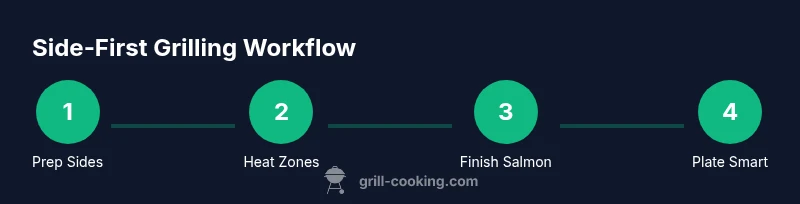
Goal: When grilling salmon, decide which side to cook first to maximize flavor and timing. The best approach is to start with sides that benefit from passive heat while the fish rests, then finish with a quick, high-heat sear for the salmon. This guide covers timing, tools, and practical step-by-step execution.
Why the order matters: the side-first approach for salmon
When grilling salmon, many home cooks ask, "when grilling salmon what side first". The answer isn’t just about taste; it’s about timing, heat control, and plate balance. According to Grill Cooking, starting with sides that benefit from longer, gentler heat lets you build flavor and texture without crowding the grill. That way, your fish gets a quick, high-heat finish while the sides finish evenly. Planning the sequence ahead of time reduces the risk of overcooking the salmon or serving luke-warm vegetables. By thinking through heat zones and resting periods, you transform a simple grill into a well-coordinated kitchen on hot coals.
Understanding heat zones and timing around sides
A successful side-first strategy hinges on two things: heat management and resting time. The grill’s hotter zones are ideal for searing the salmon late, while cooler zones can keep vegetables or starches warm without overcooking. Grill Cooking analysis shows that delicate sides like quick-roasted asparagus or garlicky greens benefit from a brief warm-up, whereas heartier sides such as potatoes or corn on the cob tolerate longer exposure. Map your grill for two zones: direct heat for finishing the salmon and indirect or moderate heat for sides. This separation prevents the fish from drying out while you finish the sides.
Side candidates that pair best with salmon
When choosing sides, aim for flavors and textures that complement the salmon’s richness. Green vegetables (asparagus, green beans, or zucchini) bring brightness and contrast; starchy sides (new potatoes, corn on the cob, or roasted sweet potatoes) offer sweetness and balance; citrusy or herbaceous notes pair beautifully with grilled salmon. Grain-based sides like quinoa or wild rice add texture and heartiness. Remember, the goal is to create a balanced plate: bright greens, a satisfying starch, and a salmon centerpiece with a crisp exterior and juicy interior.
Timing templates: a practical cook sheet
A simple template helps you coordinate the grill. While you prep sides, keep a close eye on the salmon’s heat window. Use a timer to track indirect heat for sides (roughly 10–20 minutes depending on thickness) and reserve a brief window for the final sear of the fish (2–3 minutes per side). Rotating items is key: move sides that finish quickly to a warm section off the direct flame, then bring the salmon to direct heat for the finish. This cadence ensures everything comes off the grill together.
Step-by-step prep: getting gear ready and ingredients in place
Start with mise en place: wash and trim greens, rub vegetables with olive oil, and pat salmon dry. Oil the grill grates lightly to prevent sticking, then preheat to a medium heat for the sides and a hotter zone near the fish. Have tongs, a fish spatula, a thermometer, and a clean plate ready. With everything set, you can move quickly between sides and fish without losing heat or momentum. Grilling is as much about rhythm as it is about technique.
Rest, plate, and serve: finishing touches for a restaurant-quality plate
Once the salmon finishes, let it rest briefly before plating to retain juices. Plate the sides first, then lay the salmon across the top or beside them for a balanced presentation. A squeeze of lemon, fresh herbs, or a light glaze can lift the dish without overpowering it. The goal is a cohesive plate where the salmon remains the star, while the sides complement rather than compete.
Troubleshooting and flavor upgrades: elevating your salmon sides
If your sides finish too early, wrap them in foil to trap heat without steaming. For extra flavor, finish vegetables with a brief blast of direct heat or finish with a dash of citrus zest. If the salmon cooks unevenly, consider using a two-zone setup or moving the fish to cooler spots during portions of the cook. Experiment with spice rubs, herbs, and a light butter glaze to add depth without masking the salmon’s delicate flavor.
Tools & Materials
- Gas or charcoal grill with two heat zones(Two-zone setup is essential for timing and control)
- Grill brush(Clean grates before heating)
- Tongs and fish spatula(Non-slip grip for flipping salmon gently)
- Instant-read thermometer(Fish should reach 125-130°F for medium-rare, 135°F for well-done)
- Oil with high smoke point (canola/avocado)(Brush grates lightly or toss sides with oil)
- Salmon fillets, skin-on if possible(Pat dry to ensure crust formation)
- Vegetables and starch sides ( asparagus, potatoes, corn, quinoa, etc.)(Prep in bite-sized pieces for even cooking)
- Lemon, herbs, and optional glaze(Brighten and finish the dish as desired)
- Aluminum foil or heat-safe pan(Keeps sides warm without steaming)
Steps
Estimated time: 45-60 minutes
- 1
Preheat and prep
Light the grill to two zones: direct heat for finishing the salmon and indirect heat for sides. Let it come to temperature while you pat the salmon dry and season liberally. This establishes a crisp crust when the fish hits the hot grate.
Tip: Dry fish thoroughly; moisture kills crust formation. - 2
Prepare sides for indirect heat
Toss vegetables with a light coat of oil and seasonings. Place them on the cooler side of the grill, turning once until tender and lightly charred. Timing varies by vegetable, so monitor closely.
Tip: Cut vegetables to uniform size for even cooking. - 3
Season salmon
Season the salmon with salt, pepper, and a light aromatics rub. Let it sit for a few minutes to enhance flavor before the sear.
Tip: Skin-on fillets help keep the fish intact during cooking. - 4
Sear salmon on direct heat
Place salmon skin-side down on direct heat to achieve a crisp crust. Flip once halfway through cooking for even doneness, watching for an internal temp around target range.
Tip: Avoid moving the fish too soon; it needs a crust to release cleanly. - 5
Finish sides and salmon coordination
As sides finish, move them to the warm zone and cover briefly to retain heat. If needed, crank the heat slightly to give the fish a final gentle sear without overcooking.
Tip: Use indirect heat to keep sides from burning while finishing the fish. - 6
Check internal temperature
Check the salmon’s internal temperature and texture with a thermometer. Aim for just opaque and moist: 125-130°F for medium-rare, 130-135°F for a more done finish.
Tip: Carryover heat will finish cooking after removal from the grill. - 7
Rest and plate
Let the salmon rest briefly while you transfer sides to plates. A light lemon butter or herb drizzle adds brightness without overpowering the fish.
Tip: Resting improves moisture retention; don’t skip it. - 8
Serve and enjoy
Plate the sides and salmon together for a balanced presentation. Add fresh herbs or citrus as a finishing touch.
Tip: Keep portions moderate to preserve balance on the plate.
FAQ
Can I cook salmon and sides at the same time on a single-zone grill?
Yes, but you must move items between heat zones to prevent burning. Use indirect heat for sides and reserve direct heat for finishing the salmon to maintain moisture and crust.
Yes, but you’ll need to manage zones carefully: sides on indirect heat and salmon finishing on direct heat.
What sides pair best with grilled salmon?
Bright vegetables like asparagus or green beans and starches like potatoes or quinoa complement salmon well. A citrus glaze or fresh herbs ties the plate together.
Crisp greens and a starch like potatoes or quinoa pair beautifully with salmon.
Do I need a thermometer for grilling salmon?
A thermometer helps gauge doneness and prevent overcooking. Target around 125-130°F for medium-rare, up to 135°F for fully cooked.
A thermometer is very helpful to avoid overcooking.
Should I marinate salmon before grilling?
Light marinades can add flavor without overpowering fish. Keep marinade brief to prevent overpowering the salmon’s delicate taste.
A light marinade works; don’t overdo it.
How long should sides typically cook compared to salmon?
Sides vary by type but generally need 10-20 minutes on indirect heat, while salmon finishes in 6-10 minutes on direct heat depending on thickness.
Sides take longer on indirect heat; salmon finishes quickly on direct heat.
What heat setting is best for finishing salmon?
Use high heat briefly to develop a crust, then reduce if needed to avoid scorching. Quick, controlled sear is key.
Use a quick, hot sear to finish the crust, then monitor doneness.
Watch Video
Quick Summary
- Plan sides to finish before the salmon hits the grill.
- Use two heat zones to manage timing and avoid burning.
- Rest salmon briefly for juicier results.
- Balance flavor with bright, light accompaniments.