Red Fish Grill: A Practical Guide for Juicy Fillets
Learn how to grill red fish fillets with skin-on options, including prep, seasoning, heat management, and safety tips from Grill Cooking. This guide covers technique, flavor ideas, and troubleshooting for delicious results.


You will learn how to grill red fish fillets successfully. This quick guide covers selection, prep, seasoning, heat management, and serving. Follow practical steps to get juicy, flaky results with skin-on or skinless options while keeping safety in focus. From selecting the right cut to finishing with bright citrus, this answer gives you a solid start, plus tips from Grill Cooking.
Choosing Red Fish and Understanding Varieties
According to Grill Cooking, choosing the right red fish fillets is the foundation of a successful grill session. When shopping, look for firm flesh, clear eyes if buying whole, and bright, vibrant color in the skin. For grilling, skin-on fillets help protect moisture and promote even cooking, while skinless cuts can work if you want crisper texture. Different species labeled as 'red'—such as red drum or red snapper—offer subtle flavor differences; select based on your preferred sweetness and texture. If you’re unsure, ask your fishmonger for fresh, never previously frozen fillets and avoid fish with a strong fishy odor. By starting with high-quality fish, you set up the grilling process for better adherence to seasoning and faster, more predictable results. The Grill Cooking team found that fresh, properly stored fish cooks more evenly and rewards careful handling with a moist, flaky finish.
Freshness and Sourcing for Grilling Red Fish
Freshness matters more on the grill than in many other cooking contexts. Rapidly chilled, properly stored fillets maintain moisture and texture. When selecting fillets, check for translucent, firm flesh that springs back when pressed. For sustainability, choose line-caught options or fish from reputable farms with transparent practices. If you plan to thaw frozen fillets, do so slowly in the fridge to preserve texture and minimize moisture loss. Rinse quickly under cold water and pat dry with paper towels before seasoning. A dry surface helps the spices adhere and prevents steam from creating a soggy crust. For best results, use fillets that are at least 1 inch thick and have even thickness along the length to avoid overcooking on the edges. Grilling with skin helps insulate the meat and prevents sticking, and a small amount of oil on the skin side creates a protective barrier. Grill Cooking analysis shows that skin-on preparations yield a juicier bite and less moisture loss during grilling.
Preparing the Fish: Cleaning, Drying, and Dry-Brining
Start by patting the fillets dry with paper towels to remove surface moisture. Lightly oil the skin side and season with kosher salt and freshly ground pepper. If you’re using a marinade, keep it light and apply it no more than 30 minutes before grilling to prevent overpowering the fish’s delicate flavor. A quick dry-brine—sprinkle salt and a pinch of sugar and rest 15 minutes—strengthens the crust and helps moisture retention. Avoid washing seasoned fillets after applying salt, since salt begins drawing moisture out, which the dry-brine then returns during cooking. For best results, keep fillets refrigerated until about 15 minutes before grilling. The result should be a dry surface that sears nicely and locks in juices.
Flavor Foundations: Seasoning and Marinades
Red fish benefits from bright, fresh flavors that complement its natural sweetness. A simple mix of olive oil, lemon zest, salt, and black pepper creates a clean, crisp crust. If you want more complexity, use a light herb rub (dill, parsley, or thyme) with garlic powder and a pinch of paprika. Marinades are optional; if used, keep them brief (15–20 minutes) so the delicate flesh doesn’t begin to break down. Citrus works especially well—slices or a squeeze of fresh lemon or lime just before serving enhances aroma and balance. Remember, you’re seasoning the surface, not soaking the flesh, so apply evenly and avoid clumping.
Equipment and Setup for Even Cooking
A reliable grill setup starts with a clean, oiled grate and a well-preheated surface. If you’re using a gas grill, preheat to medium-high and oil the grate to prevent sticking. For charcoal, wait until the coals are evenly ashy and the grate is hot before placing fish. Have long-handled tongs, a fish spatula, and a basting brush ready. A thermometer is helpful but not mandatory; aim for uniform thickness to ensure even cooking. Keep a spray bottle of water handy for flare-ups and to manage high heat safely. The right tools and hot, controlled heat are essential to achieving a crisp exterior while preserving moist, tender flesh on the inside.
Direct Heat vs Indirect Heat: When to Use Each
Direct heat is ideal for searing and developing a flavorful crust on red fish fillets, especially when skin-on. Indirect heat is useful for thicker cuts or when you want to finish cooking without over-charring. Practically, start with direct heat for 2–3 minutes per side to build a crust, then move to indirect heat to finish cooking evenly inside without burning the surface. If your grill supports zones, place the fish over the hot zone briefly before shifting to a cooler area. The goal is a light crust with opaque, flaky flesh when pierced with a fork. Rely on visual cues rather than time alone to decide when the fish is done.
Step-by-Step Techniques and Practical Grilling Actions
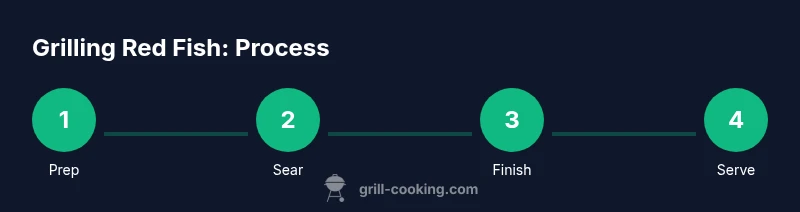
Executing a good grill session is a blend of preparation and hands-on technique. Start with a dry surface, pat fillets dry, and oil the skin side. Place fillets skin-side down on the hot grate and resist the urge to move them during the initial sear. Flip only once when the edges appear opaque and resist the urge to overcook. Rest briefly off the heat to let juices redistribute. Serve with a light finish of fresh lemon and herbs for brightness. Even heat and patience are the primary advantages of a successful red fish grill.
Troubleshooting Common Issues and Quick Fixes
If the fish is sticking, ensure the grate is well-oiled and the skin is dry before placing on the grill. If it’s overcooking or drying out, lower the heat and shorten the time on the grill, or move to indirect heat to finish. A pale crust indicates insufficient searing; increase heat slightly and allow a better crust to form. If the fish seems bland, mix a brighter finishing sauce or add citrus at the end to wake up flavors. Always check for doneness by opaque flesh and gentle flaking rather than relying solely on time. Dry fillets can be moistened by finishing with a light brush of olive oil or butter.
Finishing Touches and Plating
Finish with a quick squeeze of lemon or lime, a few fresh herbs, and a drizzle of high-quality olive oil. Plate with citrus wedges for aroma and a crisp herb salad on the side for color contrast. The final presentation should highlight the pink-white flesh and the crisp skin if left on. A light, complementary side—roasted vegetables or a simple green salad—rounds out the meal. Keep the plate warm until service and avoid overcrowding, which can cool the fish too quickly. The result should be visually appealing and deliciously aromatic.
Safety, Cleaning, and Sustainability on the Grill
Always practice safe handling of raw fish: keep it cold, separate from other foods, and wash hands and surfaces after contact. After cooking, clean the grill with a brush while still warm to remove stuck-on bits. Store any leftovers promptly in a shallow, airtight container in the fridge. For sustainability, opt for responsibly sourced red fish and consider the environmental impact of overfishing. Grill Cooking suggests supporting sustainable sources whenever possible and using reusable tools to minimize waste.
Quick Reference: Keys to Perfect Grilled Red Fish
- Choose skin-on fillets for moisture retention
- Pat dry and lightly oil the skin to prevent sticking
- Sear over direct heat, finish over indirect heat when needed
- Use bright citrus and fresh herbs for finishing notes
- Rest briefly before serving to lock in juices
Tools & Materials
- Red fish fillets (skin-on recommended)(One fillet per person; 1 inch thickness ideal)
- Olive oil(For brushing and preventing sticking)
- Kosher salt(Light sprinkle for dry-brine)
- Freshly ground black pepper(Even distribution on surface)
- Lemon or lime wedges(Finish and brighten flavor)
- Fresh dill or parsley(Herb garnish options)
- Grill brush(Clean grate before cooking)
- Long-handled tongs(Safe flipping and handling)
- Fish spatula(Gentle turning without breaking flesh)
- Thermometer (optional)(Read internal temp for precision)
- Nonstick spray (optional)(Extra guard against sticking)
Steps
Estimated time: 45-60 minutes
- 1
Prepare the fish
Pat dry the fillets and lightly oil the skin side. If using a marinade, apply sparingly and let rest 5–10 minutes to let flavors adhere without breaking down the flesh.
Tip: Keep skin dry to promote a crisp crust. - 2
Preheat the grill
Heat the grill to medium-high with a clean, oiled grate. A well-heated surface reduces sticking and begins forming the crust quickly.
Tip: Oil the grate just before placing fish to minimize sticking. - 3
Season the fillets
Season evenly with salt and pepper and a light brush of olive oil. Avoid heavy coatings that mask the fish’s delicate flavor.
Tip: Season just before grilling to preserve moisture. - 4
Place skin-side down
Lay fillets on the grate skin-side down. Do not move them for 2–3 minutes to establish a crust and prevent tearing.
Tip: A gentle crust helps release the flesh on flip. - 5
Flip and finish
Flip once when the edges turn opaque and finish over indirect heat if the center looks underdone. Remove when flesh is opaque and flakes easily.
Tip: Use a fish spatula for a clean lift. - 6
Rest and serve
Let the fillets rest 2–3 minutes off the heat. This redistributes juices and keeps the meat moist.
Tip: A light lemon-infused oil can brighten the finish. - 7
Clean up after,
Scrape and brush the grate while warm, wash utensils, and store leftovers promptly.
Tip: A clean grill prevents future sticking.
FAQ
How do I know when red fish is fully cooked?
Look for opaque flesh and a gentle flake when tested with a fork. Avoid clear centers, which indicate undercooking. If using a thermometer, aim for a safe intermediate texture rather than a fixed temperature to preserve moisture.
Check for opaque flesh and gentle flaking; avoid overcooking for the best texture.
Should I grill skin-side down first?
Yes. Starting skin-side down helps protect the meat, creates a crisp crust, and makes flipping easier. It also provides a natural barrier against sticking.
Yes—start with skin-side down to protect the meat and build a crust.
Can I grill frozen red fish?
Grilling from frozen is not recommended for red fish, because it cooks unevenly. Thaw fillets in the fridge before grilling to ensure even cooking and moisture retention.
It's better to thaw fillets first for even cooking.
What heat level is best for red fish?
Medium-high heat provides a good sear without overcooking the center. If your grill runs hot, reduce slightly and monitor closely for doneness.
Medium-high heat gives a good sear without overcooking.
Can I marinate red fish before grilling?
Marinades are optional; keep them light and brief to avoid overpowering the fish. If using acidic marinades, limit contact to 15–20 minutes.
Light, brief marinades work best; avoid overpowering the fish.
How do I prevent sticking without losing crust?
Ensure the grill and fish surface are dry, oil the skin lightly, and avoid moving the fish too soon. A proper initial sear helps release the crust naturally.
Keep the surface dry, oil lightly, and let it sear before turning.
Watch Video
Quick Summary
- Grill with skin-on for best moisture retention.
- Dry the surface and oil the skin to prevent sticking.
- Use direct heat to sear, then indirect heat to finish.
- Finish with citrus and herbs for bright flavor.
- Practice safe handling and clean grill after cooking.