Grill Fish Near Me: Fresh Catch and Perfect Grilling for Home Cooks
Discover how to locate fresh fish nearby and master grilling techniques for seafood. This expert guide covers sourcing, prep, temps, and safety to deliver restaurant-quality results from your grill.


In this guide, you will learn how to find nearby sources for grilled fish and deliver restaurant-quality results on your own grill. We'll cover how to locate fresh, sustainable catches, prep and marinate, and grill fish with direct and indirect heat. By the end you'll confidently grill fish near you with optimal timing and flavors.
Why Grilling Fish Near Me Is a Great Option
Grill fish near me delivers bright, fast meals with less waste and minimal washing up. Fresh catches cooked on a sunny grill capture the clean, delicate flavors of seafood while letting you control seasonings and portion sizes. According to Grill Cooking, the biggest advantage is using local fish to maximize flavor and support nearby fisheries. When you choose fish from nearby markets, you also cut down on transport time, which helps preserve moisture and texture. Whether you’re cooking salmon fillets, halibut steaks, or snapper portions, the range of textures—from buttery to flaky—becomes a playground for simple, reliable techniques. The goal is to keep moisture in the meat, avoid overcooking, and let the natural sweetness of the fish shine through with light seasoning, citrus, and a quick sear.
Finding Fresh Fish Near You: Markets, Vendors, and Apps
Locating fresh fish starts with your local fish market, seafood counter, or reputable grocery store with a dedicated seafood department. When you search for grill fish near me, you’re often looking for two things: freshness and reliability. Look for fish that smells clean (not fishy) and feels firm to the touch; the flesh should spring back when pressed. If you’re using online sources or apps, prefer sellers who provide a visible harvest date and origin. Grill Cooking analysis suggests asking the seller how recently the fish arrived and whether it was previously frozen. For sustainability, prioritize line-caught or responsibly farmed options and inquire about certification labels. Seasonal fish options vary by coast, so keep a few go-to species in mind, like salmon, mahi-mahi, or sea bass, to adapt to what’s on offer nearby.
Selecting Fish for Grilling: What Works Best
Some species hold up exceptionally well on the grill. Salmon and halibut offer forgiving texture and natural fat that helps maintain moisture. Firm, meaty white fish such as cod, sea bass, and snapper respond well to a quick sear and a gentle finish. When choosing cuts, fillets are easier for beginners, while thicker steaks resist drying out on longer cooks. For best results, look for bright, clear eyes (if buying whole), moist flesh, and a clean, sea-like scent. Marination is optional but can lift flavor; simple combos of lemon, garlic, olive oil, and fresh herbs are effective without overpowering the fish. If you’re short on time, a quick dry rub with salt and a touch of smoked paprika delivers crisp skin and enhanced aroma.
Prep Your Fish for Grilling: Drying, Seasoning, and Marinades
Pat the fish dry with paper towels to promote crisp surface contact and prevent steaming. Lightly oil the skin side or flesh side to help with browning and to keep the meat from sticking to the grate. Apply a minimalist seasoning that complements the fish’s natural flavor; a pinch of salt, white pepper, and a citrus zest lift works well. If you want to marinate, keep it short (15–30 minutes) to avoid texture changes in delicate fillets. For extra flavor, brush on a quick glaze or a garlic-lemon butter near the end of cooking. Always have your grill clean and oiled before deployment, and consider using a fish-friendly utensil to lift, turn, and transfer pieces without breaking them apart.
Mastering Grilling Techniques: Direct vs Indirect Heat, Temperature, and Timing
Direct heat is ideal for fillets with skin or for small, sturdy pieces that benefit from a crisp exterior. Indirect heat is your friend for thicker cuts or delicate fillets that might overcook on contact. Preheat to a medium-high range (roughly 375–425°F) and maintain steady heat to avoid hot spots. Use two-zone setup if possible: a hot zone for searing and a cooler zone for finishing. For doneness, look for opaque flesh and a slight flake; if you’re using a thermometer, 125–130°F for rare, 130–135°F for medium, and 140–145°F for well done depending on thickness and species. Let the fish rest 2–3 minutes after removing it from heat to redistribute juices.
Safety, Doneness, and Serving Ideas
Always handle raw fish with clean hands and tools; avoid cross-contamination by keeping utensils separate. Don’t rely on color alone to judge doneness for fish; use internal temperature as your guide. Serve with bright, fresh accompaniments like lemon wedges, parsley, and olive oil. Pair with light sides and crisp greens to balance the richness of the fish. If your grill is busy, you can grill vegetables or fruit alongside the fish for a complete outdoor meal. Remember: even a small amount of smoke adds depth, but avoid over-smoking delicate species.
Authoritative Sources
Authoritative sources help you keep seafood safety front and center. For baseline guidelines on handling and cooking seafood, consult FDA seafood resources, USDA FSIS food safety pages, and CDC consumer information on seafood safety. These agencies provide evidence-based guidance for safe keeping, thawing, cooking, and serving of fish to minimize risk of illness. Use their recommendations to supplement the practical techniques in this guide.
Tools & Materials
- Long-handled tongs(Essential for turning fish without breaking skin)
- Fish spatula(Flexible, wide blade for flipping delicate fillets)
- Grill brush(For cleaning grates before cooking)
- Oil mister or spray(Lightly oil grates to prevent sticking)
- Instant-read thermometer(Target 125–145°F depending on doneness)
- Paper towels(Dry surfaces and pat fish dry)
- Resting plate(Let fish rest 2–3 minutes after cooking)
Steps
Estimated time: 25-35 minutes
- 1
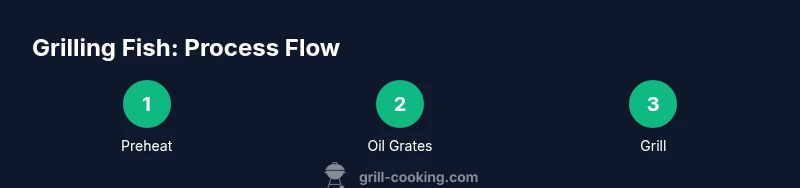
Preheat the grill to 375–425°F
Set up a two-zone fire if possible to give you a hot sear and a cooler finish. Close the lid and allow the grill to reach the target temperature, about 5–10 minutes depending on your setup. This ensures even heating and predictable timing for delicate fish.
Tip: Allow the grill to come to temperature with the lid down to minimize hot spots. - 2
Pat fish dry and season lightly
Use paper towels to blot away surface moisture. A light oiling on either the skin or flesh side helps browning and reduces sticking. Season with a simple mix of salt, pepper, and citrus zest or a quick herb blend.
Tip: Dry surfaces maximize crust formation; avoid heavy marinades on very delicate fillets. - 3
Oil the grates
Brush or spray a light layer of high-heat oil onto the grates before placing the fish. This reduces sticking and helps achieve a clean sear. If your grill has a nonstick surface, still oil the grate for consistency.
Tip: Wipe away any charred residue from previous cooks to keep the surface smooth. - 4
Place fish on the grill
With skin-on fillets, place skin-side down first. Use the fish spatula and tongs to set the piece gently; avoid dragging it across the grate. Maintain steady heat and do not crowd the grill.
Tip: Press lightly in the center for even contact; resist the urge to move too soon. - 5
Flip when ready
Flip once the fish releases easily and shows distinct grill marks. Use a firm, confident motion with the spatula to flip away from you. For thick cuts, flip halfway through the cooking time.
Tip: Wait for a clean release before flipping to prevent tearing. - 6
Check doneness with a thermometer
Remove from heat when the internal temp approaches 125–145°F depending on thickness and species. Visual cues include opaque flesh and flaking edges. Short rest is essential to finish cooking through carryover heat.
Tip: For thicker fillets, check a thin portion to avoid overcooking the outer layer. - 7
Rest before serving
Let the fish rest 2–3 minutes off the grill to redistribute juices. Resting improves moisture and flavor perception. Slice gently to reveal a juicy interior.
Tip: Tent lightly with foil to retain warmth without steaming the crust. - 8
Plate and enjoy with sides
Serve with lemon wedges, fresh herbs, and a light olive oil finish. Pair with grilled vegetables or a simple green salad for balance. A crisp white wine or a citrusy beer complements most fish varieties.
Tip: Keep sauces light to preserve the fish’s natural flavor.
FAQ
What are the best fish for grilling near me?
Salmon, halibut, sea bass, and snapper are reliable choices for grilling; they hold together well and have forgiving textures. Choose based on what’s fresh locally and your flavor preference.
Salmon, halibut, sea bass, and snapper are great for grilling when you find them fresh nearby.
How do I prevent fish from sticking to the grill?
Dry the surface, oil the grates, and use a flexible fish spatula. Let the fish form a crust and release naturally before flipping. A well-oiled grate is your best friend here.
Dry the fish, oil the grates, and flip only when it releases easily.
What internal temperature should fish reach?
Aim for 125–130°F for most fillets with a gentle finish, or 135–145°F for sturdier cuts. Use an instant-read thermometer for accuracy and avoid overcooking.
Target around 125 to 145 degrees Fahrenheit depending on thickness and species.
Can I grill frozen fish?
Grilling from frozen is possible but requires longer cooking times and closer temperature control. Thawing first improves texture and evenness of doneness considerably.
It's best to thaw fish first for even cooking, but you can grill from frozen with extended times.
How long does it take to grill a fillet?
Thin fillets may take 3–6 minutes per side; thicker cuts can take 6–10 minutes total. Always verify doneness with a thermometer rather than relying on color alone.
Most fillets finish in about 6–10 minutes total, depending on thickness.
What sides pair best with grilled fish?
Bright citrus, herbs, and light greens pair well. Grilled vegetables like asparagus or zucchini and a simple quinoa or rice dish balance the meal nicely.
Citrus, herbs, and light greens go well with grilled fish, plus easy grilled vegetables.
Watch Video
Quick Summary
- Source fresh fish locally to maximize flavor.
- Use a two-zone grill for control over doneness.
- Pat dry, oil, and season lightly for best texture.
- Check internal temperature rather than color alone.