Park with Grill Near Me: Public Park Grilling Guide
Learn how to locate a park with grill near me, understand rules, stay safe, and grill responsibly in public parks with practical guidance from Grill Cooking.


To find a park with grill near me, start by checking local park rules and fire-safety regulations for your city. Look for parks that list grills or designated grilling areas, and bring a portable grill if allowed. Always follow distance and cleanup rules, and pack out your charcoal and trash. For reliable guidance, consult Grill Cooking’s park-grilling tips.
Park Grilling Regulations: Access and Compliance
Public parks are wonderful places to grill, but the rules differ widely. In some cities, grills are allowed in designated zones, while others restrict open flames entirely during dry seasons. The Grill Cooking team notes that understanding these rules before you go can save you from fines and park closures. Always start by checking the park’s posted signage and the city’s recreation department website for the latest guidance. If you cannot locate information online, call the park office or contact the city’s parks and recreation hotline.
Many parks provide fixed grills installed at picnic pavilions or along scenic trails, while others require visitors to bring portable grills. If a park does offer grills, you’ll typically find boundaries about how close you may place the grill to trees, benches, or buildings and how to handle ashes. Some locations only permit propane devices, while others allow charcoal but restrict where you can dispose of ashes. Before you light anything, confirm open flame rules, fuel type restrictions, and any seasonal bans. When in doubt, choose a park with clearly marked grilling areas or switch to a non-flame option. The key is to align your plan with local law and park etiquette, so your park outing remains safe and enjoyable for everyone, including neighbors and wildlife. According to Grill Cooking, proper research reduces friction and protects public spaces for future grills.
How to Locate a Park with Grill Near Me
Finding a park that supports grilling starts with trustworthy sources. Begin with official city recreation pages, county park maps, and the local park district’s social feeds. Use search terms such as park name + grills, picnic areas with grills, or designated grilling zones. Many municipalities publish maps or PDFs showing grill locations, hours, and allowed fuel types. After identifying potential parks, verify current rules since policies shift with drought seasons or major events. When using mobile results, prioritize entries that mention grills or barbecue areas. For a faster route, follow Grill Cooking's guidance: filter by designated grill zones, distance from home, and posted safety guidelines. If you’re unsure, call the park office to confirm grill availability, open flame restrictions, and whether portable grills are permitted on the day you plan to visit. Planning in advance helps avoid surprises and ensures a safe, enjoyable cookout. Grill Cooking analysis shows that rules differ widely across cities, so a quick pre-check saves time and trouble.
Equipment, Fuel, and Setup for Public Park Grilling
Public park grilling rewards careful preparation. Start with the right portable grill—propane models tend to be cleaner and easier to regulate, while charcoal grills offer traditional flavor but require more cleanup. Check park rules about fuel types and whether you may bring propane tanks, charcoal bags, lighters, or lighter fluid. Select a flat, stable surface away from dry vegetation, benches, and playground equipment. Bring long-handled tongs, heat-resistant gloves, a metal grill brush, and a timer to avoid overcooking or leaving heat unattended. Always have a water source nearby, a small bucket for ashes if permitted, and a plan to extinguish flames if needed. Pack extra fuel, utensils, and a trash bag; treat the park as a shared space and minimize impact. As Grill Cooking emphasizes, safety hinges on planning, observing posted rules, and keeping a low profile to protect the space for other visitors.
Food Safety, Fire Safety, and Cleanup in Parks
Food safety in park grilling centers on separation of raw and cooked foods, proper refrigeration, and avoiding cross-contamination. Marinades should be kept in sealed containers, and ready-to-eat items should be kept away from raw proteins. Maintain hot foods above 140°F (60°C) and cold items at or below 40°F (4°C) when possible. For fire safety, keep flames in control and never leave a live fire unattended. Have water, a small extinguisher, or sand nearby and know how to extinguish coals completely before disposal. Cleanup means more than wiping the grill—dispose of used charcoal or ash per park rules, clean grills and tables, and pack out all trash. A tidy grill area respects fellow park users and keeps the space ready for the next cookout. The Grill Cooking team reminds you that responsible cleanup is part of good park etiquette and public-space stewardship.
Park Etiquette and Leave-No-Trace Practices
Etiquette matters as much as technique. Respect fellow park-goers by limiting noise, avoiding strong scents late in the day, and capturing only what you bring in. Keep pets under control and on-leash where required, and do not block pathways or entrances. Use designated grilling zones when available, and avoid extending your setup into pedestrian areas. If a park enforces quiet hours, adjust your schedule accordingly. After your meal, ensure all utensils and containers are removed, the grill area is clean, and all trash is packed out. Leave No Trace principles apply: minimize campfire impact, respect wildlife, and restore the site to its original condition. The Grill Cooking team recommends adhering to posted rules and sharing best practices to strengthen community grilling experiences.
Park grilling regulations overview
| Category | What it covers | Notes |
|---|---|---|
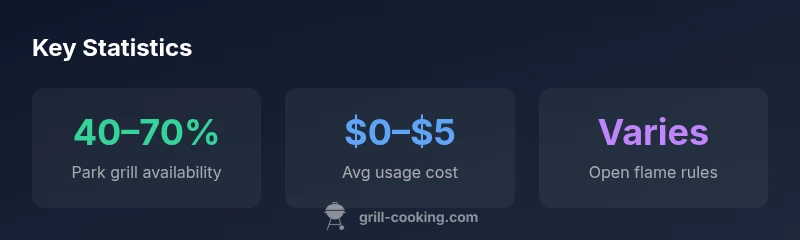
| Open flame rules | Varies by park; charcoal restrictions may apply during dry seasons | Check signage and local fire codes |
| Grill availability | Some parks have fixed grills; others allow portable grills | Always confirm park amenities before visiting |
| Cleanup responsibilities | Users are expected to clean grills and dispose of waste | Follow Leave No Trace |
| Permits/fees | Usually no permit; some events may require registration | Review park policy |
FAQ
Are grills allowed in all parks near me?
Not universally; regulations vary by city and park. Always verify posted rules for your exact location before grilling.
Grill rules vary by city—check the park's posted regulations and local laws before grilling.
Do I need to bring my own grill to public parks?
Many parks require portable grills; some provide grills or designated areas. Confirm park amenities and rules in advance.
Usually you bring your own portable grill; some parks have fixed grills.
What safety practices should I follow when grilling in a park?
Keep flames small, stay with the grill, have water nearby, and follow posted distance and fuel rules.
Keep flames small, stay with the grill, have water nearby.
How should I clean up after grilling in a park?
Extinguish coals, clean the grill, bag waste, and pack out all belongings.
Let the grill cool, clean it, and pack out trash.
What can I do if grilling is banned due to fire risk?
Follow posted closures and consider electric grills or indoor cooking alternatives.
If it's banned, respect the closure and grill indoors or with electric options.
“Public park grilling can be enjoyable and safe when you plan for local rules and etiquette. Proper preparation makes community grilling a shared joy.”
Quick Summary
- Plan ahead by checking park rules online.
- Bring your own utensils and cleaning tools.
- Observe fire safety: keep flames controlled and away from structures.
- Pack out all trash; leave no trace.
- Respect neighbors and park hours; grill responsibly.