Where to Grill in Central Park: A Local Guide for Grilling
Learn how to grill legally and safely in Central Park with practical tips, permit guidance, and a plan for a delicious, responsible park cookout. This guide covers where to grill, what to bring, and best practices for cleanup.


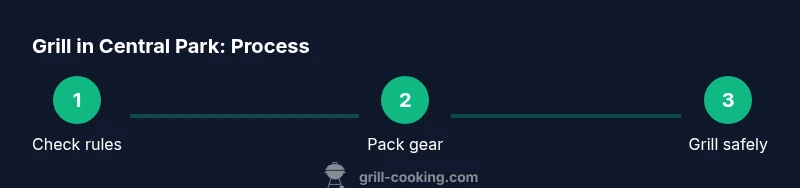
Most importantly, you can grill in Central Park only at designated areas with official approval and proper safety practices. Start by checking NYC Parks regulations, obtain any required permits, and plan around park rules and safety. Bring a portable grill, fuel, tools, water, and a shaded, safe cooking area; follow all rules and leave no trace.
Where to Grill in Central Park: A Practical Starting Point
If you're asking where to grill in central park, you're not alone. This urban outdoor activity attracts home cooks who want a meal with a skyline view while still enjoying nature. According to Grill Cooking, the path to a successful park cookout begins with understanding where grilling is allowed, securing any required approvals, and planning around park rules and safety protocols. In Central Park, the emphasis is on designated areas, fire safety, and responsible cleanup, so preparation matters as much as appetite.
Your first step is to confirm whether grilling is permitted for your chosen date. Rules can vary by season, weather, and location within the park. Always start at the official NYC Parks page or contact park staff to understand what’s allowed and what isn’t. If a permit is required, apply well in advance and bring proof of approval to the meetup. When you arrive, locate a designated grill area with a clear space around it, away from foot traffic, trees, and flammable materials. Bring a timer, a plan for food safety, and a means to extinguish flames quickly if conditions change.
This approach minimizes conflicts with other visitors and helps preserve the park’s experience for everyone. A thoughtful plan reduces last-minute stress and makes your park cookout more enjoyable for your group. The guidance is practical for home cooks who want to enjoy Central Park without creating friction with park staff or other visitors.
Legal Basics and Permit Requirements
Grilling in Central Park is governed by city park rules and sometimes requires explicit permission for specific sites and dates. The key is to verify what is allowed for your planned day. In practice, this means checking the official NYC Parks guidelines, contacting park staff if needed, and obtaining a permit or written approval when required. Even when a permit isn’t mandatory, you’ll still need to follow fire safety rules, keep a reasonable distance from pathways and vegetation, and ensure you have means to extinguish a flame. Grill Cooking’s analysis for 2026 emphasizes proactive planning: always confirm current rules before you pack your bags, and never assume a rule has not changed.
Plan your visit during daylight hours when supervision and visibility are higher. If you must change plans due to restrictions, have backup dates or alternative locations in mind. Keeping a calm, well-documented approach will save time and prevent last-minute stress. Remember: park rules exist to protect both guests and greenspace, and following them is part of a successful grill day.
Designated Grills and Permitted Areas
Within Central Park, there are designated zones where grilling is allowed, and these zones are chosen to balance recreation with safety. The exact locations can vary by season and by site maintenance schedules, so rely on official notices rather than rumors. If you find a grill area that seems empty, still assume it requires oversight, and always check for posted rules, hours of operation, and any fire-safety restrictions. If you’re traveling with a group, assign a spotter to monitor fuel temperatures and ensure kids stay a safe distance away. In all cases, use a level, stable surface and keep the fire source away from dry grasses and overhanging branches.
Understanding designated zones helps you avoid penalties and ensures that your grilling experience is smooth and enjoyable. Grill Cooking notes that designated areas are designed to handle common park-goers, so respect signage and limit the cooking time to avoid monopolizing a single area.
What to Bring and How to Pack Safely
Packing for a Central Park cookout requires a balance of essentials and compact gear. Start with a portable grill that fits the designated area’s size limits, a supply of fuel, long-handled tools, and a sturdy apron for cleanliness. Pack aluminum pans to catch drippings, heavy-duty trash bags for cleanup, and a fireproof mat to protect park surfaces. Water and a small first-aid kit add a layer of safety, while heat-resistant gloves protect your hands when handling hot equipment. For freshness and safety, bring a cooler with ice packs for perishables and a thermometer to ensure meats reach safe internal temperatures. Finally, bring a compact broom or brush for quick cleanup and a spare set of utensils in case of rain or wind.
Pro tip: label your containers and pack waste bags separately to streamline cleanup. A well-organized kit makes it easier to keep the area clean and ready for the next visitors. Grill Cooking emphasizes having a simple, repeatable packing routine to reduce the risk of leaving behind litter or equipment.
Set-Up: Fuel, Fire Safety, and Your First Steps
The setup phase matters as much as the cooking itself. Begin by positioning your grill on a flat, non-flammable surface, at a safe distance from benches, trees, and foot traffic. Confirm the fuel type you’re using—charcoal or propane—and prepare it according to the manufacturer’s safety guidelines. If you’re using charcoal, allow the coals to heat until the surface is gray and ashy; with propane, check the regulator and ensure the hose is secured away from hot surfaces. Install a metal tray or fireproof mat beneath the grill to prevent ground scorching, and keep a metal or sand-filled bucket nearby to douse small flames if necessary. Finally, set up a barrier for kids or pets and place a timer to avoid extended exposure to heat.
Why this matters: a stable setup reduces tipping risk, prevents near-misses with bystanders, and supports efficient cooking. Grill Cooking’s approach stresses proactive safety checks and a clear plan for wind changes or sudden park regulations that could impact your session.
Cooking Tips for Urban Grilling in Central Park
Urban grilling requires careful heat management and menu planning. Start with thoughtful heat zones: direct heat for searing burgers and sausages, and indirect heat for slower cooking or warming buns. Maintain a stable temperature by adjusting fuel and using the grill grate height to your advantage. Keep a digital thermometer and a timer handy so you can monitor temperatures without constantly opening the lid. Marinades and seasonings should be simple and not overpowering, as park spaces rely on shared air and neighbors nearby. If wind shifts, move to a more sheltered area or relocate the grill to prevent flare-ups. Rotate foods to ensure even cooking and avoid charred edges.
A practical approach combines safety and flavor—prepping ingredients ahead of time, keeping the cooking area neat, and engaging your group with simple, crowd-pleasing items. Grill Cooking encourages experimenting with quick, easy gradients of doneness, so you can customize results for burgers, chicken, or veggie skewers without overcomplicating the process.
Food Safety, Cleanup, and Leaving No Trace
Responsible grilling means finishing with a spotless site. Immediately remove any spent charcoal or used coals to a safe container and ensure they are completely cool before disposal, following park guidelines for waste. Use separate bags for trash and recyclables, then seal and carry them out. Wipe down cooking surfaces with wipes or a damp cloth and place towels and ancillary items in a covered bag to minimize odor. Always bag leftovers and bring them home if possible; if you must leave something, secure it in a container to minimize attraction for wildlife. Finally, monitor your area until the site is clean, dry, and free of embers. Leaving the area better than you found it is a direct reflection of responsible grilling and respect for public spaces. Grill Cooking highlights that proper cleanup reduces park maintenance burden and preserves access for future visitors.
Sample Menu Ideas and Timing for a Central Park Cookout
A well-rounded plan blends quick-cook proteins with crave-worthy veggies. A simple trio could be beef burgers or veggie burgers, chicken satay skewers, and colorful veggie skewers (bell peppers, onions, zucchini). Include a citrus-marinated chicken option, a near-veggie option like corn on the cob wrapped in foil, and a light fruit dessert on skewers. Timing matters: prep proteins and vegetables ahead of time, preheat the grill for 10-15 minutes, grill burgers and skewers for 6-8 minutes per side, and rest meat for a few minutes before serving. For sides, roasted corn or peppers can be kept warm in foil; buns and toppings should be ready prior to cooking. Portable picnic salads and fruit can round out the meal, keeping guests satisfied without heavy food odor lingering in the air.
By keeping menus simple and cooking efficiently, you’ll maximize flavor without extending your stay in a single area. Grill Cooking suggests prioritizing foods that cook quickly and clean up easily so your group can enjoy the park without delaying other visitors.
What to Do If Grills Are Fully Booked or Restricted
If your preferred grills are unavailable, have a backup plan: pick a nearby designated area that is lightly used, or consider a first-come, first-served alternate site with different rules. Check for seasonal restrictions and park announcements, and always carry a compact backup kit so you can adapt quickly. If the day’s rules prevent grilling, use the time for a park picnic, a walk, or a scenic photography session and return another day with the proper permits. The key is to stay flexible, follow regulations, and keep safety at the forefront. The Grill Cooking team recommends checking the official park pages and reaching out to staff early to avoid wasted effort and ensure a smooth experience for everyone involved.
Tools & Materials
- Portable charcoal grill(Compact size; ≤ 22 inches cooking surface if required by site guidelines)
- Propane grill (if allowed)(Only where permitted; ensure regulator and hose are in good condition)
- Grill tools set (spatula, tongs, basting brush)(Long handles to keep hands away from heat)
- Aluminum pans and foil(For catching drippings and easy cleanup)
- Grill brush and scraper(Keep grates clean between batches)
- Heat-resistant gloves(Protect hands during handling)
- Fireproof mat or tray(Protect park surface)
- Water bottle and a small bucket(For safety and firefighting if needed)
- Trash bags and extra zip-top bags(Pack out all waste and leftovers)
- Food thermometer(Optional but recommended for safety)
- Cooler with ice packs(Keep perishables cold)
- Paper towels and wipes(Clean hands and surfaces)
Steps
Estimated time: 90-120 minutes
- 1
Check regulations
Before you bring anything, review the latest Central Park grilling rules on the official NYC Parks site or contact park staff. Confirm whether a permit is needed and which zones are designated for grilling. This helps you avoid fines and last-minute changes that can derail your plans.
Tip: Bookmark the official page and save the contact info for park rangers. - 2
Scout a designated area
On arrival, locate a clearly marked grill zone with ample clearance from trees, benches, and high-traffic paths. If a zone is crowded, look for a nearby alternative that meets safety guidelines. Do not improvise a new grill location.
Tip: Ask park staff if there is a reservation system or daily limit. - 3
Set up your grill safely
Place the grill on a flat, nonflammable surface and set up a fireproof mat underneath. Keep fuel containers away from the flame and ensure you have a water source or extinguisher nearby. Assemble tools, lay out pans, and arrange a clear cooking area.
Tip: Keep a dedicated “no-go” zone for kids and pets. - 4
Light and preheat
Light your fuel in accordance with the manufacturer’s recommendations. Allow charcoal to ash over before cooking, or preheat a propane grill with the lid closed for 5-7 minutes. Use a timer to avoid overheating and to preserve food quality.
Tip: Never leave a lit grill unattended. - 5
Cook with zones
Create direct-heat zones for searing and indirect-heat zones for slower cooking or warming buns. Monitor temperatures with a thermometer and adjust airflow or distance to control heat. Flip foods as needed for even doneness.
Tip: Keep grills clean to prevent flare-ups. - 6
Serve safely
Use clean plates and utensils for cooked meat and raw items. Keep cooked foods above potential contamination, and rest meats briefly before serving to reach safe temperatures. Pack out all leftovers or store them in a cooler away from heat.
Tip: Label leftovers to avoid cross-contamination. - 7
Extinguish and clean up
When finished, extinguish flames completely and allow grates to cool before cleaning. Bag all trash, including charcoal remains if allowed by park rules, and take everything with you. Leave the area as clean or cleaner than you found it.
Tip: Double-bag hot coals only if the park guidelines permit it.
FAQ
Do I need a permit to grill in Central Park?
Permits or written approvals are required for grilling in certain Central Park zones or on specific dates. Always verify current requirements on the official NYC Parks site and with park staff before you plan your cookout. Failing to secure proper approval can lead to fines or being asked to stop cooking.
Yes, check the official park rules and obtain any necessary approval before you grill.
What fuels are allowed for grills in Central Park?
Fuel types vary by area and season. In many cases, portable charcoal grills are permitted in designated zones, and propane grills may be restricted to certain sites. Always follow posted signage and park guidance regarding fuel type, storage, and disposal.
Follow the posted fuel rules and use only permitted fuels in designated areas.
Where can I grill exactly within Central Park?
Locations are designated by NYC Parks and can change. Look for clear signage indicating supported zones, and ask park staff for current guidance on available grill areas the day you plan to visit.
Check signage and ask staff for current grill zones.
How should I dispose of charcoal and waste?
Disposal rules vary; some zones require extinguished coals to be placed in metal containers, others prohibit discarding charcoal on-site. Pack out all trash and follow park instructions for disposal or removal after your cookout.
Follow park disposal rules and pack out all waste.
Can I grill with a group or family at Central Park?
Group grilling is possible in designated zones, but limits on group size and cooking time may apply. Coordinate with park staff if you’re hosting a larger gathering and respect other visitors by sharing space and keeping noise reasonable.
Yes, but check zones and time limits and be considerate of others.
Watch Video
Quick Summary
- Know and follow Central Park grilling rules before you go
- Choose designated zones and bring safety gear
- Pack light, clean up fully, and leave no trace
- Use direct/indirect heat zones for flexible results
- Plan for contingencies and stay flexible