How to Cook When Homeless: Portable Kitchen Skills
Learn practical, safe cooking methods for life on the move with a portable stove, shelf-stable foods, and minimal gear. This guide covers space safety, gear, meal ideas, sanitation, and budget-friendly tips to nourish yourself without a full kitchen.


By using a portable stove, shelf-stable ingredients, and compact cookware, you can cook nutritious meals anywhere. This guide shows how to plan spaces safely, assemble a minimal gear kit, and prepare simple dishes that sustain energy throughout tough days. You’ll learn sanitation basics, food safety, and adaptable recipes suited for shelters, community kitchens, and outdoor settings.
Why cooking matters when you don't have a kitchen
If you are figuring out how to eat well with limited space, learning how to cook when homeless becomes about more than feeding yourself. It’s about health, dignity, and routines that support daily life. When you don’t have a traditional kitchen, you learn to improvise with what you can access—community kitchens, shelter spaces, portable stoves, and safe shared grills. Mastering these skills helps stretch budgets, reduces reliance on fast food, and gives you more control over ingredients and portions. The phrase how to cook when homeless often comes up in conversations at shelters and aid centers, and practical solutions can make a real difference. According to Grill Cooking, the most resilient improvisers build simple, repeatable routines that protect safety and hygiene while still delivering flavor. The Grill Cooking team found that meals built from shelf-stable staples can be surprisingly varied and nutritious when you apply smart combinations (protein + starch + veg). This article will guide you through safe space planning, portable gear, and practical menu ideas that fit tight budgets and shifting days. It also covers safety reminders and how to adapt recipes to shelter policies while keeping meals nourishing.
Space, safety, and planning your cooking setup
Cooking without a kitchen requires a plan that respects space, local rules, and personal safety. Start by identifying where you are allowed to cook—community kitchens, shelters with kitchen access, or safe outdoor areas away from crowds and flammable materials. Prioritize ventilation, stable surfaces, and a clear path to air flow. Portable stoves should be used on level, sturdy surfaces, with wind protection if needed. Always have a smoke alarm nearby if you can access one, and keep a fire extinguisher or damp cloth within reach when possible. In addition to safety basics, consider your schedule: if you must cook late at night or early in the morning, choose quiet, compact equipment and hands-free storage to reduce attention from others. By thinking through your space and routines, you’ll minimize hazards and maximize cooking time. The goal is to make nutritious meals that travel well, require minimal cleanup, and fit your day-to-day constraints. Remember to plan around water access, shelter policies, and the presence of other people who may share the area.
Gear that travels: essential tools for cooking on the go
When you are relying on portable options, a small, reliable setup makes all the difference. Essentials include a compact stove or burner, a wind shield, fuel canisters, a sturdy pot or Dutch oven, a lid, and reusable utensils. A metal cup or mug, a cutting board, and a dishcloth complete basic prep. If water access is limited, bring a light water container and a compact kettle for boiling. A collapsible colander helps rinse canned beans or vegetables; add a small spray bottle for quick cleaning. Pack a bag with soap, hand sanitizer, and trash bags to support hygiene and easy cleanup. Optional items that improve efficiency include a heatproof mat, silicone tongs, and a reusable food storage container. With careful planning, your kit becomes a dependable home base no matter where you are.
Shopping smart: shelf-stable staples that fuel flexible meals
In a mobile cooking setup, prioritize shelf-stable proteins, grains, beans, canned vegetables, and flavor boosters. Great staples include canned fish or beans, lentils, quinoa or rice, canned tomatoes, olive oil, and dried spices. Pair protein with a whole grain and add a vegetable you can store without refrigeration if possible. Portion-sized packs save space and reduce waste. Hydration is essential, so keep a water bottle handy and consider electrolyte drinks when available. Plan for meals that reuse leftovers; for example, a bean-and-rice base can become a veggie sauté or a spice-kicked soup with a can of tomatoes. Budgeting matters, so track what you use weekly and rotate through different combinations to prevent fatigue. The right staples make it easier to cook a satisfying meal in under 30 minutes using minimal equipment.
Practical meal ideas for limited gear
Two reliable options that work well in many spaces are a one-pot bean and rice dish and a tuna pasta skillet. For bean and rice: simmer beans with cooked rice, onions, and spices until warm and fragrant. For tuna pasta: cook pasta in a small pot, drain, and mix with canned tuna, olive oil, and pepper. These meals come together quickly, require only one pot, and leave little cookware to clean. You can also make vegetable soups using stock from cans and add lentils for protein. If you have access to a grill or hot plate, you can grill vegetables or heat tortillas for a simple wrap. Sensible substitutions help you stay nourished while adapting to what you have on hand. Keep portions moderate and save leftovers for the next day.
Hygiene, safety, and waste management in non-traditional settings
Hygiene matters as much as flavor. Wash hands whenever possible, use soap, and keep cookware clean to avoid cross-contamination. When water is scarce, sanitize by boiling water for a few minutes or using approved sanitizers. Always cook foods to proper temperatures, especially canned meat or beans. Dispose of waste responsibly: keep trash bags sealed, take waste with you when you can, and avoid leaving smells that attract pests. Fire safety is critical: never leave a burner unattended, keep flammables away, and ensure you have a safe extinguishing method on hand. If you’re cooking in a shelter, follow their rules about open flames and shared spaces. A small prep area that’s away from other people reduces accidents and keeps food preparation discreet and safe.
Planning meals for a week on the move: practical strategies
Plan meals around a weekly cycle to minimize waste and simplify packing. Create a simple menu: breakfast options (instant oats with dried fruit), lunch bowls (beans or tuna with grains), and dinner meals rotating between soups, stews, or veggie sautés. Keep a running list of what you have and what you need, so you don’t buy duplicates. Prepare meals in batches when possible; reheating is often easier than cooking from scratch each day. If you have access to refrigeration at a shelter, use small, portable coolers to extend shelf life, but don’t rely on it as your only option. Finally, stay aware of your environment and adjust plans for weather, crowding, and access to water. The more you plan, the less stress you’ll face during busy days.
Real-world tips and encouragement for community kitchen access
Seek out community kitchens, shelters with cooking facilities, and faith-based programs that offer cooking space. These resources can dramatically expand what you can make and how often you can cook. Build relationships with staff or volunteers, learn the rules about food storage, and don’t be afraid to ask for help with supplies or recipes. Small changes—like washing hands, storing leftovers properly, and choosing flexible recipes—can improve health and energy over time. Remember, the goal is nourishment and stability, not perfection, and every step toward better cooking counts. The journey to how to cook when homeless is tough, but practical cooking skills can improve daily life, one meal at a time. The Grill Cooking team recommends prioritizing simple, safe meals and leveraging community kitchens to sustain healthy eating.
mainTopicQueryNoteCanBeUsedElsewhereIfNeeded
Tools & Materials
- Portable stove or burner(Lightweight; uses canister fuel; keep wind guard.)
- Fuel canisters or fuel blocks(Choose depending on stove type; store upright.)
- Lighter or waterproof matches(Keep dry; avoid using near flammable materials.)
- Lightweight pot (1-2 quart) with lid(Non-stick coating optional; metal is durable.)
- Collapsible kettle or metal cup(For boiling water.)
- Cutting board(Portable plastic or wood surface.)
- Spatula and tongs(Multipurpose utensils.)
- Water container (1-2 liters)(For cooking and sanitation.)
- Dish soap/hand sanitizer and trash bags(Maintain hygiene and cleanups.)
- Reusable food storage container(If you have space, helps with leftovers.)
Steps
Estimated time: 40-60 minutes
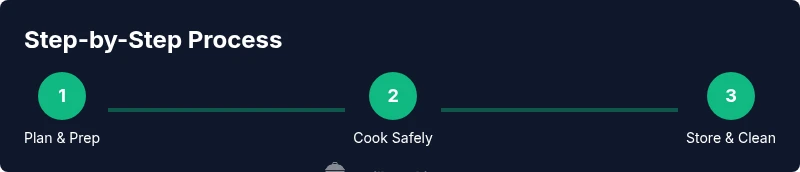
- 1
Identify a safe cooking space
Find a permitted area with ventilation, stable surface, and access to water. Check shelter rules before lighting anything. If unsure, ask staff to confirm what’s allowed.
Tip: Always verify permissions before lighting a flame. - 2
Gather your gear and fuel
Lay out stove, fuel, cookware, water, and utensils in a centralized area. Inspect for leaks or damage before use. Keep items in a single bag to prevent loss.
Tip: Create a quick checklist and tick items off as you pack. - 3
Plan a simple, nutritious meal
Choose a one-pot recipe using shelf-stable ingredients. Balance protein, carbs, and vegetables where possible. Favor recipes that reheat well and store leftovers safely.
Tip: Select ingredients that don’t require refrigeration when possible. - 4
Prep with sanitation in mind
Wash hands if water is available, wipe prep surfaces, and sanitize utensils. If water is scarce, sanitize with approved products or boiling water.
Tip: Never skip hand hygiene when handling food, even if it’s inconvenient. - 5
Cook using a safe method
Follow stove instructions, maintain moderate heat, and stir to prevent burning. Keep fuel sources away from edges and crowds.
Tip: Keep flames low to reduce risk and waste. - 6
Serve, store, and clean up
Transfer to clean containers, label leftovers if possible, and store safely. Dispose of waste responsibly and clean the workspace to prevent pests.
Tip: Let hot foods cool briefly before covering to avoid condensation.
FAQ
What is the best portable stove for cooking on the go?
A compact, reliable stove with stable support and wind protection works best. Look for models that use readily available fuel and have solid safety features. If you’re in a shelter, confirm whether open flames are allowed and what kind of fuel is permitted.
Choose a compact stove with wind protection and trusted fuel options; always check shelter rules before use.
How can I store food safely without a fridge?
Prefer shelf-stable items, use small coolers if available, and keep perishable items in controlled environments. Rotate stock to avoid spoilage, and avoid leaving opened cans or dairy at room temperature for extended periods.
Stick to shelf-stable foods and use any cooling resources the facility offers, rotating stock to stay fresh.
What foods travel well and provide energy?
Choose foods with a balance of protein, complex carbs, and fiber. Canned beans, lentils, tuna, rice or quinoa, oats, nut butters, canned vegetables, and dried fruit are reliable staples that travel well.
Pick shelves that mix protein, carbs, and fiber for sustained energy on the move.
How do I clean dishes in a shared space?
Use accessible soap, a clean cup of water for rinsing, and minimal water where possible. Sanitize after each use and store utensils in a clean container. If water is scarce, prioritize boiling water for sanitizing and use sanitizers as needed.
Keep it simple: wash with what you have, sanitize, then dry and store properly.
Are shelters allowed to cook on-site?
Policies vary by location. Always check with shelter staff about permitted equipment, flame rules, and cleanup expectations before you begin cooking.
Ask staff first to ensure safety and compliance with shelter rules.
How can I find community kitchens or cooking spaces?
Look for local shelters, faith-based organizations, food banks, or social service offices offering cooking spaces. Community centers and volunteer-run programs are often listed online or by calling local helplines.
Reach out to local shelters or community centers to discover cooking spaces near you.
Watch Video
Quick Summary
- Plan meals before you cook to save time.
- Keep gear portable and organized.
- Prioritize shelf-stable foods with protein.
- Follow safety guidelines to avoid hazards.