How to Cook When Camping: The Complete Camp Kitchen Guide
Learn practical camping cooking techniques, gear, and step-by-step instructions to prepare tasty meals outdoors. Master heat control, safety, and cleanup to confidently cook when camping.


Wondering how to cook when camping? Start with a simple plan: choose one-pot meals or foil packets, ensure a stable heat source, and keep essential tools handy. The Grill Cooking team emphasizes safety, clean fuel handling, and practice at home before heading out, then improvise with your campfire. With the right gear, you can cook reliably in the wild.
The Core Principles of Campfire Cooking
When learning how to cook when camping, start with a framework you can replicate night after night. The key is simplicity, safety, and efficiency. Focus on heat control, stable cooking surfaces, and clean fuel handling, all while minimizing waste and keeping your gear organized. The Grill Cooking Team emphasizes planning meals that use the same equipment, so you can switch proteins or sides without changing setups. In practice, this means establishing one or two reliable heat zones, such as direct heat for searing and indirect heat for gentle simmering. It also means choosing ingredients that store well, reheat neatly, and offer a balanced menu across multiple meals. For home cooks new to outdoor cooking, it's especially important to validate recipes at home before you go. By practicing your timing with a stopwatch or timer, you can predict when meals will come together, reducing last-minute scrambling. Finally, remember weather and wind conditions: campfires and stoves behave differently in the open air, so adapt your plan accordingly.
The core philosophy is repeatable, efficient cooking that keeps the meal enjoyable even when conditions shift. If you learn to read the heat, you can make chicken sizzle without scorching, boil potatoes without losing texture, and finish a sauce on a tiny stove. This is how to cook when camping in a way that feels familiar yet distinctly outdoorsy. Reheating leftovers over a gentle flame can be just as satisfying as a fresh camp meal, as long as you keep it out of the danger zone and reheat evenly. By keeping meals simple and prepping ahead, you maximize your time around the fire for storytelling and star gazing—while still delivering delicious results. The Grill Cooking analysis, 2026, supports the idea that meals built around a stable plan and safe practices improve overall camp experience and satisfaction.
Choosing a Heat Source and Setting Up
Selecting the right heat source is foundational to successful camping cooking. A reliable camp stove with steady fuel is ideal for controlled cooking, while a well-built campfire can add authentic flavor when managed safely. If you opt for a fire, build a light, controlled bed of coals rather than relying on open flames. For quick weekender trips, a compact two-burner stove provides predictable performance and faster cleanup. When you plan how to cook when camping, think in terms of zones: one area for high-heat searing and another for low, simmering heat. Wind shields are essential, so position rocks or a purpose-built screen to keep flames steady. Pre-warm your cooking vessels to minimize sticking and heat loss, and always have a water source nearby for safety and sanitation. The gear you bring should be suited to your menu, climate, and the terrain. Remember: safety first, then flavor. Grill Cooking’s guidelines suggest practicing heat management at home before attempting more complex camp meals, which helps you stay calm and efficient in the field.
Essential Gear and Tools for Camp Cooking
A dependable setup makes or breaks camping meals. Start with a durable, easy-to-clean surface like a 10- to 12-inch cast-iron skillet for versatility, plus a Dutch oven if you enjoy slow-cooked stews or bake-off-style dishes. A compact camping stove or solid fire setup should be paired with appropriate fuel, wind protection, and a sturdy grate. Aluminum foil is your best friend for foil packets or improvised baking, while long-handled tongs and a wide spatula give you control without risking burns. A sharp knife and a cutting board streamline prep, and reusable plates or bowls reduce waste. Don’t neglect a heat-resistant glove for handling hot cookware. Water and food storage containers are essential for safe transport and leftovers. By equipping wisely, you can execute a wide range of camp recipes with confidence and minimal nuisance. The Grill Cooking Team consistently notes that the right tools cut prep time and reduce stress, especially when your stove or fire behaves unpredictably.
Safe Food Handling and Storage on the Trail
Food safety is non-negotiable when cooking outdoors. Start with clean hands and clean surfaces; wipe down prep areas with a sanitizing wipe or clean cloth. Keep perishable items in a cooler with ice packs and avoid leaving dairy or meat out in the heat. Store raw proteins separately from ready-to-eat foods to prevent cross-contamination, and cook foods to safe internal temperatures to avoid foodborne illness. After cooking, cool leftovers quickly and store them in sealed containers. When in doubt, err on the side of caution and discard questionable items rather than risking illness on a trip. Hydration, proper handwashing, and proper disposal of wastewater are all part of a responsible camping cooking routine that protects you and your fellow campers. The discipline you practice here will translate into consistently safer, tastier meals wherever you roam.
Efficient Cooking Methods for Camp Life
Efficiency is the backbone of cooking when camping. Foil packet meals, one-pot dishes, and pre-seasoned ingredients help you minimize gear and cooking time. Direct heat is excellent for searing proteins or browning vegetables, while indirect heat keeps sauces from scorching and helps you finish meals evenly. Build your camp menu around interchangeable components—protein, starch, and a vegetable—so you can mix and match without reinventing the wheel. Cast-iron cookware shines here: it distributes heat evenly and retains it for a long time, which is perfect for long evenings around the fire. Consider par-cooking some items at home, then finishing them over camp heat. This approach reduces outdoor cooking time and increases reliability, especially for new campers. The Grill Cooking team emphasizes practice, noting that repetition builds confidence and consistent results, even in gusty or damp conditions.
Sample Camp Menu and Recipe Ideas
A practical approach to how to cook when camping is to rotate a small set of recipes that share equipment and ingredients. Breakfast could be steel-cut oats cooked with dried fruit and nuts in a wide-mouthed pot; lunch might be grilled cheese or quesadillas on a cast-iron skillet; dinner could be a foil-pack chicken, potatoes, and peppers that you bake over indirect heat. Add a side like corn on the cob or quick sautéed greens to round out meals. For dessert, finish with grilled fruit or a simple campfire treat. All of these can be prepared using the same basic tools with minor tweaks to heat exposure. Planning meals that reuse ingredients reduces waste and makes shopping easier, which is especially helpful on longer trips. The Grill Cooking team encourages you to test your recipes at home first and to adapt proportions to your crew size.
Troubleshooting Common Camp Cooking Issues
Wind, uneven heat, and damp wood can challenge outdoor cooking. If flames flare or heat is inconsistent, adjust your wind shield and reposition pots to maintain even heating. Keep a small container of water nearby to calm flare-ups or cool hot pans, and never leave a stove unattended. If fuel runs low, switch to a slower, indirect heat method and ration portions to finish the meal. For stuck lids or tight jars, gently tap around the rim to release pressure and avoid forcing the seal. Remember, practice makes perfect: the more you cook outdoors, the quicker you’ll adapt to changing conditions, making camp meals consistently tasty and safe. The Grill Cooking team notes that a calm, systematic approach reduces mistakes and waste, especially when cooking with kids or new campers nearby.
Tools & Materials
- Cast-iron skillet (10-12 inch)(Preseasoned if possible)
- Camping stove or portable burner(With regulator and stable base)
- Fuel canisters or propane(Ensure enough supply for the trip)
- Aluminum foil (heavy-duty)(Great for packets and baking)
- Tongs (12-inch preferred)(Avoid burns; long-handled)
- Spatula(For turning and serving)
- Chef’s knife(Keep blade sharp)
- Cutting board(Prefer wooden or plastic)
- Heat-resistant gloves(Protect hands when handling hot pots)
- Reusable plates/bowls(Minimize waste)
- Food storage containers(For leftovers and meal prep)
- Cooler with ice packs(Keep perishables cold)
- Water jug or bottle(For cooking and cleaning)
- Dish soap (travel size)(Carry a small amount)
Steps
Estimated time: 60-120 minutes
- 1
Plan and gather ingredients
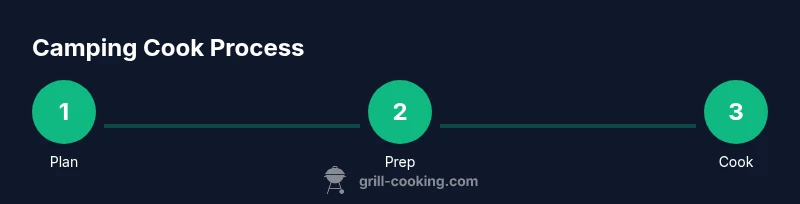
Decide on a simple, repeatable menu for the trip and collect ingredients that share equipment. Group items by cooking stage to minimize trips to the pack and keep your cooking area organized. Pre-measure spices and portion proteins prior to leaving home to reduce camp-time prep.
Tip: Label bags with contents and cooking steps to speed up meal assembly. - 2
Set up your cooking area
Choose a stable, level surface and position a wind shield if wind is a factor. Clear the area of loose debris and keep a water source nearby. Place your pans and tools within easy reach to minimize movement during cooking.
Tip: Use a large flat rock or a dedicated camp table to create a solid base. - 3
Preheat and establish heat zones
Warm your pan or Dutch oven before adding food. Create two zones: direct heat for searing and indirect heat for simmering or finishing. Test heat by a few water droplets to gauge response and adjust as needed.
Tip: If heat is uneven, shuffle pots between zones to balance cooking. - 4
Cook protein to safe texture
Sear proteins on direct heat to develop flavor, then move to indirect heat until fully cooked. Use a thermometer where possible and avoid cutting into meat too soon to keep juices intact.
Tip: Cook chicken to safe internal texture and rest briefly before serving. - 5
Add vegetables and starches
Introduce vegetables once protein nears completion; foil packets simplify cooking and cleanup. Par-cook starchy sides at home if possible to shorten camp time and prevent overcooking.
Tip: Keep pieces uniform in size for even cooking. - 6
Finish, rest, and serve
Allow resting time for meats before serving to retain moisture. Plate meals or keep warm in foil and serve with minimal cleanup. Enjoy communal dining around the fire or camp stove.
Tip: Have toppings or sauces ready to enhance flavor without extra steps. - 7
Pack out and clean
Cool cookware before packing, clean with a small amount of soap if available, and store to avoid contamination. Pack trash and leftovers properly, following Leave No Trace principles.
Tip: Keep a dedicated trash bag accessible to prevent wildlife attraction. - 8
Safety check and gear care
Inspect gear for wear, clean and dry after use, and store in a dry place to prevent rust. Review safety steps with your group so everyone knows how to respond to flare-ups or burns.
Tip: Dry cookware thoroughly to extend its life and performance.
FAQ
What is the best heat source for camping cooking?
The best heat source depends on your trip length and setup. A reliable camp stove with stable fuel is ideal for control, while a controlled campfire adds flavor when managed safely. Always prioritize safety and have wind protection and a heat zone plan.
Use a stable stove for control, or a well-managed campfire for flavor; always prioritize safety and wind protection.
What meals work best for camping?
Choose meals that share equipment and can be cooked in one pot or foil packets. Breakfast might be oats, lunch simple sandwiches or quesadillas, and dinner foil packets or pan-seared proteins with vegetables.
Opt for simple, one-pot or foil-pack meals that reuse equipment and ingredients.
How do I avoid food spoilage when camping?
Keep perishables in a cooler with ice packs, separate raw and cooked foods, and cook or chill perishable items promptly. Plan fresh ingredients around what can be safely stored and used within the trip duration.
Keep perishables cold in a cooler and separate raw from cooked foods to prevent spoilage.
Is it safe to cook over an open campfire?
Yes, with proper precautions: use a stable fire ring, keep water nearby, monitor embers, and avoid flammable debris. Attending the fire at all times reduces the risk of accidents and wildlife encounters.
Yes, with careful setup and constant supervision around the fire.
How long can leftovers stay safe outdoors?
Store leftovers promptly in sealed containers and keep them cool when possible. When in doubt, discard items that have been left out too long to prevent foodborne illness.
Keep leftovers sealed and cooled; discard questionable items.
What’s the best way to clean up after cooking outdoors?
Wipe down surfaces, wash with a small amount of soap if water is available, and pack waste in a sealed bag. Use minimal water to avoid environmental impact and follow Leave No Trace guidelines.
Clean with minimal water, pack out waste, and respect the environment.
Watch Video
Quick Summary
- Plan meals around a simple, shared toolkit.
- Use heat zones to speed up cooking and prevent burning.
- Prioritize safety, then flavor, with responsible cleanup.
- Practice at home to boost confidence in the field.
- Leave No Trace: pack out waste and minimize impact.