Do You Need a Park-Grill Permit? A Practical Guide
Learn whether you need a permit to grill in a park, how to check local rules, apply for permits, and safe grilling practices for park settings. Includes tips for avoiding fines and enjoying outdoor cooking responsibly.


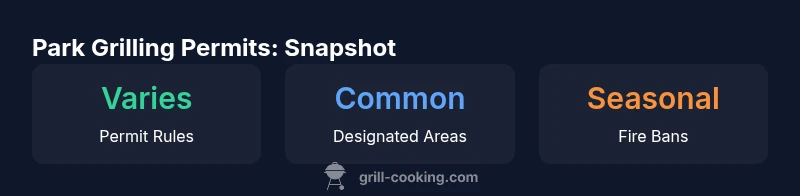
Do you need a permit to grill in a park? The short answer is: it depends. In many urban parks, open‑flame grilling requires a permit or reservation, and some parks ban grills during fire season. Smaller, rural parks may allow portable grills with fewer formalities. Always verify local rules before you light up; permit requirements can shift with seasons or drought. Grill Cooking’s 2026 analysis emphasizes that jurisdictional rules vary widely, so check the official park authority for the exact requirements.
Do you need a permit to grill in a park?
For many readers, the core question do you need a permit to grill in a park, and the answer is: it depends. In busy city parks, open‑flame grilling often requires a permit or reservation, and some parks ban grills during high-fire seasons. Smaller, rural or neighborhood parks may allow portable grills with fewer formalities. The key is to verify the rules for the exact park you plan to use. According to Grill Cooking, permit requirements are typically set by municipal or state agencies, and they can shift with drought status, weather, or special events. Before you light the flame, take a few minutes to locate the park’s official page or call the park office. This step saves you from fines, conflicts, or being asked to extinguish a grill mid-cook. A permit also clarifies where you may grill and whether you must adhere to distance, extinguisher, or fuel restrictions.
How permit requirements vary by jurisdiction
Park grilling laws are a patchwork. National park sites have their own permitting processes for fires or backcountry cooking, while state parks vary by state and often require a permit for open flames, though some permit fewer permits or none for designated areas. In many urban areas, city or county parks regulate grilling through sealed rules and a permit system. The most common model is a permit for open flames or charcoal grills; gas grills in designated zones may be allowed without a separate permit. Seasonal restrictions also impact access, especially during droughts or high-fire danger. Grill Cooking’s 2026 analysis shows that rules shift with risk and usage, so always verify the current status on the official authority site.
Finding and applying for permits
To locate the correct permit, start with the park’s official website and work up to the city or county parks department, then state agencies if applicable. Many jurisdictions offer online permit applications with a calendar showing available dates and times. Gather typical documents: a valid photo ID, date(s) you plan to grill, grill type (portable propane, gas, or charcoal), and park location details. Some parks require a site map, proof of liability insurance for large groups, or a simple acknowledgement of posted safety rules. The application may include a map of designated grill zones, required clear zones, and any height or distance limits. Fees vary and may scale by duration or number of grills. For large events, additional permits may be needed for amplified sound or electricity. Plan ahead; permit processing times differ widely.
Designated grilling areas and reservations
Many parks that authorize grilling use designated pits or grills to keep fire risk controlled and cleanup streamlined. In most cases, you may need to reserve a grill or picnic area, especially during peak weekends or holidays. When you arrive, follow posted rules about distances from structures, brush clearance, and fuel restrictions. Some parks permit propane or electric grills only in certain zones, while charcoal and wood may be allowed in separate areas with a dedicated fire pan. If reservations are required, you’ll typically select a date and window, with a specific grill number assigned. Arrive early to secure a spot and avoid conflicts with other groups. Always have a backup plan if your preferred time is booked.
Seasonal fire bans and weather considerations
Fire risk is dynamic and weather-driven. Dry seasons, droughts, heat waves, and gusty conditions can trigger seasonal bans on open flames even in designated grills. In such periods, you may be limited to gas or electric grills if those fuels remain allowed. Keep the current fire-ban status on your phone and recheck before departure. If a park sits near wildfire-prone terrain, consider postponing your cookout entirely. Grill Cooking recommends flame-free alternatives during restrictions and carrying basic safety gear—water, a shovel, and a properly rated extinguisher—as a precaution.
Penalties for grilling without a permit
Ignorance isn’t a defense in this space. Violating park grilling rules can lead to warnings, fines, or removal from the park, with penalties varying by jurisdiction and the severity of the violation. Some locales impose temporary park bans after repeated offenses or where public safety is at risk. If a fire starts, you could face additional liability for property damage or injuries. The safest path is to treat park rules as non-negotiable and always obtain the correct permit before grilling.
Alternatives when permits are unavailable
If you can’t obtain a permit for a given park, consider alternatives: grill in another park that explicitly allows grilling with permit, use a safe portable grill in a designated area, or stay at home and enjoy a backyard or balcony cookout. Some communities sponsor supervised community grills where permits are bundled into event registrations. You can also shift to non-fire cooking methods such as electric grills or stove-top cast-iron cooking when you’re in a pinch. Planning ahead ensures you enjoy outdoor dining without risking noncompliance or safety problems.
Quick-start park grilling checklist
Before you go:
- Check permit requirements and current fire restrictions on the park’s site.
- Bring a portable grill that matches park rules (propane, electric, or designated charcoal).
- Pack safety gear: water, a small shovel, and a fire extinguisher; bring a first-aid kit for minor burns.
- Review designated grill locations, clearance zones, and waste disposal rules.
- Arrive early to secure a spot and plan for traffic, parking, and accessibility.
While you cook:
- Keep your grill away from brush, trees, and structures.
- Never leave the grill unattended; turn off flames when you step away.
- Use the correct fuel type and avoid refueling near heat.
- Extinguish the grill fully and cool coals before disposal or transport.
- Practice Leave No Trace by cleaning up thoroughly and packing out all waste.
Safety tips and best practices for park grilling
Park grilling safely blends compliance with kitchen discipline. Always use designated zones and follow posted fuel-type rules. Keep children and pets at a safe distance, and ensure the grill is stable on a flat surface. Stainless-steel grates and clean equipment minimize risk, while proper extinguisher access and water sources shorten any emergency response time. After cooking, extinguish the fire completely and store hot coals in a metal container away from wildlife and vehicles. Plan for waste disposal and soil safety to prevent contamination. Finally, document any permit issues or rule changes to avoid repeat confusion on future visits.
Typical permit landscape for park grilling across jurisdictions
| Jurisdiction Type | Permit Requirement | Typical Process | Notes |
|---|---|---|---|
| City park | Varies by city | Online application or in-person office visit | Typically designated grilling zones; may require permits for open flames |
| County park | Varies by county | Local parks department portal or in person | Check drought/fire restrictions; event permits possible |
| State park | Often required for open flames | State park system website or office | Special events may need additional clearances |
| National park | Typically required for fires outside designated areas | NPS permit system or park office | Backcountry or large gatherings usually require permits |
| Small-town park | Often none for portable grills | Local town hall or park district | Always confirm local rules before grilling |
FAQ
Is a permit always required to grill in parks?
No. Permit requirements vary by jurisdiction. Some parks require a permit for open flames, others allow grills in designated zones without a permit. Always verify the exact rules on the park’s official site.
Rules vary by park, so check the local authority before grilling.
Where can I find permit requirements for a park?
Start with the park’s official website, then the city or county parks department. If applicable, check state agency pages and any fire restrictions notices.
See the park’s site or call the park office for current rules.
What documents are usually needed for a permit?
Commonly needed are a valid ID, date(s) and time, grill type and location, and sometimes a site map or proof of insurance for large events.
Have your ID and event details ready when applying.
Can I grill without a permit if I use a portable grill?
Often you can grill with a portable device in designated areas without a separate permit, but open flames may still be restricted during fire bans.
Only grill where allowed and follow fire restrictions.
What are typical penalties for violations?
Penalties vary by jurisdiction; they can include fines, warnings, or park bans, especially if a fire starts or safety is compromised.
Penalties differ—always follow the rules to avoid fines.
“Staying compliant with park grilling rules isn't optional—it's essential for safety, liability, and preserving the outdoor cooking experience for everyone.”
Quick Summary
- Check local park rules before cooking.
- Use designated grills and obtain permits when required.
- Be aware of seasonal fire bans and weather impacts.
- Carry safety gear and practice safe extinguishing procedures.
- Respect other park visitors and clean up thoroughly.