Grill Chicken Legs: The Complete How-To for Juicy Drumsticks
Master juicy, flavorful grilled chicken legs with this complete how-to. Learn prep, seasoning, two-zone grilling, temps, and safety for charcoal or gas grills.


Grill chicken legs to juicy, flavorful perfection using a two-zone grill: sear over direct heat, then finish on indirect heat until the thickest part hits 165°F. This method works on charcoal or gas, with simple seasonings and a brief rest before serving. It sets expectations for timing and temperature and helps readers understand the overall approach. With practice, you can adjust rubs and sauces to personalize the crust and aroma.
Why Grilled Chicken Legs Are Ideal for Weeknight Meals
Grill chicken legs are among the most forgiving proteins for home cooks. Bone-in legs retain moisture, skin crisps beautifully, and the meat stays tender even if a quick misstep happens. According to Grill Cooking, two-zone grilling makes it easy to start with a hot sear and finish with slow, even heat, yielding evenly cooked meat and a crisp crust. This approach also adapts to both charcoal and gas grills, giving you flexibility for rainy days or outdoor gatherings. When you choose grill chicken legs, you get approachable, flavorful dinners with minimal effort and maximum payoff.
Flavor Foundations: Dry Rubs, Brines, and Marinades
Flavor is personal, but a good foundation helps ensure success every time. A dry rub of salt, pepper, paprika, garlic powder, and a touch of brown sugar creates a crisp, flavorful crust. If you want extra moisture, a light brine (salt and a splash of sugar in water) can help your drumsticks stay juicy during longer cooks. Grill Cooking analysis shows that a light brine can boost juiciness without diluting crust. Marinades with citrus, herbs, and oil add brightness but should be used sparingly on skin-on legs to avoid soggy surfaces. The key is balance: saltiness, sweetness, acid, and fat all play a role in aroma and crust formation.
Two-Zone Grilling: Charcoal vs Gas
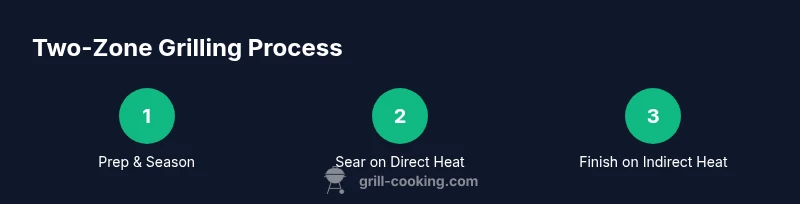
Two-zone grilling means one side is high heat for searing, while the other is cooler for finishing. With charcoal, bank the coals to create a hot zone and a cooler perimeter. With gas, leave two burners on high for the sear and turn others down or off for the indirect zone. This setup minimizes flare-ups and allows you to control the interior temperature without overcooking the skin.
The Cooking Process in Overview
Begin with dry legs, seasoned to taste. Sear skin-side down over direct heat until you see a deep color and crispy skin, then flip and move the pieces to indirect heat. Maintain a steady grill temperature around 325-375°F, and monitor the internal temperature with an instant-read thermometer. The target is 165°F at the thickest part; adjust time as needed based on grill type and leg size.
Finishing Touches: Glazes, Sauces, and Resting
A glaze or sauce added in the last 5-7 minutes creates a glossy, sticky finish that clings to the crispy skin. After removing from heat, rest the legs for 5-10 minutes to let the juices redistribute. Serve with lemon wedges or herb butter for a bright finish. Leftovers can be stored in the fridge for up to 3-4 days.
Troubleshooting and Common Mistakes to Avoid
Common problems include undercooked centers, burnt skins, and uneven seasoning. The most reliable fixes are using a two-zone setup, keeping the lid closed while finishing on indirect heat, and checking the internal temperature in the thickest part. Avoid crowding the grill so air and heat circulate; give each leg space for even cooking.
Safety, Storage, and Cleanup
Always wash hands before and after handling raw chicken, sanitize surfaces, and manage hot grill surfaces with heat-resistant gloves. After cooking, let the grill cool before cleaning and stored leftovers promptly. Grilling is a safe, satisfying activity when you follow basic safety and hygiene practices.
Tools & Materials
- Grill (gas or charcoal)(Set up a two-zone configuration: direct heat for searing; indirect heat for finishing.)
- Instant-read thermometer(Check thickest part; target 165°F.)
- Tongs(Use to flip and move legs without piercing meat.)
- Grill brush(Clean grates before cooking for best sear.)
- Paper towels(Pat dry to promote crisp skin.)
- Oil for grates(Light coating to prevent sticking; use high smoke point oil.)
- Salt(Foundation for brine or rub.)
- Black pepper(Classic seasoning base.)
- Paprika(Adds color and mild sweetness.)
- Garlic powder(Enhances crust without moisture.)
- Onion powder(Layered savoriness.)
- Brown sugar(Optional for a caramelized crust.)
- Olive oil(Just enough to help rub adhere.)
Steps
Estimated time: 45-60 minutes
- 1
Preheat and set up two-zone grill
Start by preheating the grill and establishing a two-zone setup: one area hot for searing, the other cooler for finishing. This prevents flare-ups and guarantees even doneness.
Tip: Use a thermometer to verify the heat zones; mark the hot zone with direct grill marks. - 2
Pat dry and season the legs
Pat the chicken legs dry with paper towels to promote crisp skin. Apply a balanced rub or marinade; ensure even coverage on all surfaces, especially the skin.
Tip: Don’t oversaturate with liquid; moisture can hinder crisping. - 3
Sear skin-side down over direct heat
Place legs skin-side down on the hot zone and sear until deep golden color develops, about 2-3 minutes. Flip carefully to avoid tearing the skin.
Tip: If flare-ups occur, move the meat to indirect heat momentarily. - 4
Move to indirect heat and finish cooking
Transfer to the indirect zone and cook until the internal temperature reaches 165°F, turning occasionally for even color.
Tip: Keep lid closed when possible to maintain ambient heat. - 5
Optional glaze in the final minutes
Brush on glaze or sauce during the last 5-7 minutes, allowing it to caramelize without burning.
Tip: Apply in thin layers to avoid pooling. - 6
Rest and serve
Remove from grill and rest 5-10 minutes before serving to reabsorb juices and finish cooking gently.
Tip: Resting is crucial for moist meat and flavorful skin.
FAQ
What is the best grill setup for chicken legs?
A two-zone setup on either charcoal or gas grills lets you sear with direct heat and finish with indirect heat, producing crispy skin and juicy meat.
Use a two-zone setup for best results; sear first, then finish on indirect heat.
Should I brine, marinade, or dry rub?
Brining adds moisture, while dry rubs contribute a crisp crust. Marinades add flavor but can add moisture; choose based on desired texture.
Brine for moisture, rub or marinade for flavor. Dry rub is great for crust.
What internal temperature should chicken legs reach?
Aim for an internal temperature of 165°F in the thickest part of the leg, then rest before serving.
Cook to 165 degrees, then rest.
Can I cook chicken legs from frozen?
It's best to thaw chicken legs first for even cooking; cooking from frozen can lead to uneven doneness.
Thaw before grilling for even cooking.
What sauce ideas pair with grilled chicken legs?
Try honey BBQ glaze, lemon herb butter, or a simple garlic butter finish to complement the crust.
Honey BBQ or lemon herb butter pair nicely.
Are bone-in legs different from boneless?
Bone-in legs stay juicier and are easier to monitor for doneness; boneless cook faster but may dry if overcooked.
Bone-in legs stay juicier and are easier to grill well.
Watch Video
Quick Summary
- Use a two-zone grill for best results.
- Pat dry and apply a balanced rub or light brine.
- Cook to 165°F and rest before serving.
- Finish with a glaze if desired for flavor and gloss.
- Rest and clean grill after cooking.