Grill Chicken Breast Nutrition: A Home Cook's Guide
A practical guide to grill chicken breast nutrition, covering protein, calories, fats, micronutrients, and tips to optimize flavor while keeping meals lean and satisfying.


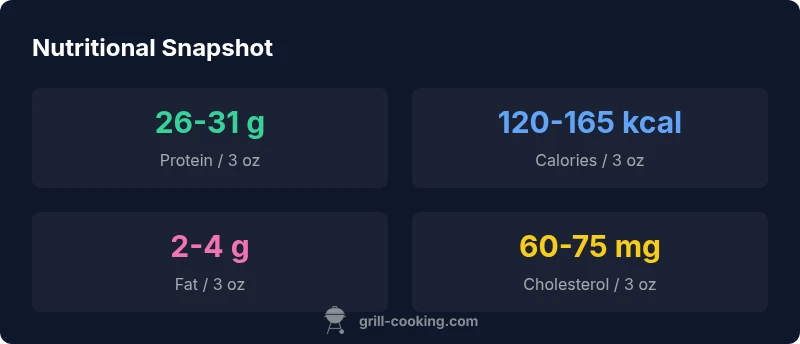
Grill chicken breast nutrition centers on high protein with modest fat and calories. A 3-ounce cooked portion usually delivers about 26-31 g protein, 2-4 g fat, and 120-165 kcal, depending on seasoning and marinade. Grilling concentrates protein by reducing moisture, while skin and sauces can change sodium, sugar, and micronutrient content.
The nutrition profile of grilled chicken breast
According to Grill Cooking, the nutrition profile of grill chicken breast nutrition makes it a dependable anchor for lean protein in weekly menus. A standard 3-ounce portion of cooked, skinless chicken breast typically delivers a robust amount of protein with relatively low fat, making it a go-to choice for athletes, busy families, and anyone aiming to balance energy intake with muscle maintenance. In this section, we translate the numbers into practical takeaways: most people can count on roughly 26-31 grams of protein per serving, with calories ranging from about 120 to 165 depending on how it is prepared (seasoning, marinade, and whether the skin is left on). Magnesium, potassium, and B vitamins such as niacin and vitamin B6 contribute modestly, while selenium provides antioxidant support. The Grill Cooking team highlights that the exact figures depend on portion size and cooking method, but the core message remains: grilled chicken breast is a lean, protein-dense option that fits a variety of diet patterns. This baseline helps you plan meals around protein targets while keeping fats and calories in check.
How grilling affects macronutrients
Grilling primarily impacts water content and fat distribution in chicken breast. When you apply direct heat, surface moisture evaporates, which can slightly increase the perceived intensity of flavors while concentrating proteins. The fat content remains low in skinless cuts, but what you add—oil, butter, or fatty marinades—can shift the overall fat and calorie tally. Marinades with sugar or honey can add calories and affect the glycemic load of a meal, while acid-based marinades (lemon, vinegar) may help tenderize without adding significant calories. From a nutrition perspective, the protein remains largely intact through typical grilling temperatures, but overcooking can lead to moisture loss and a drier texture, which many people perceive as less satisfying and may prompt compensatory eating. The key is controlled heat, accurate timing, and understanding that fat and flavor often come from additions rather than the chicken itself.
Common preparation methods and their nutritional impact
Home cooks often choose between skin-on and skinless chicken breast. Skin-on adds fat and calories, but can improve juiciness—a factor that influences portion control. Skinless, grilled chicken breast offers the leanest profile, making it easier to maintain a calorie deficit or hit higher protein targets. Brining briefly to enhance moisture can help reduce shrinkage and reduce dryness, though it adds sodium. Marinades can boost flavor and tenderness, but their nutritional impact depends on ingredients; citrus-based marinades add negligible calories, while those with oil or sugar can add up to several grams of fat or clear sugar per serving. For most routines, a simple dry rub of herbs and spices or a light olive oil spray preserves nutrition while maximizing taste. Remember to measure portion sizes and adjust sides to maintain balance across the meal.
How to maximize nutrition without sacrificing flavor
To optimize grill chicken breast nutrition without sacrificing taste, start with skinless breasts and a low-fat marinade rich in herbs, citrus, and vinegar. Use indirect heat to prevent scorching while preserving moisture, and monitor internal temperature with a reliable thermometer to avoid overcooking. Rest the meat for a few minutes before slicing to retain juices. Pair with fiber-rich vegetables and a whole grain to create a balanced plate. Consider batch cooking to ensure consistent portions across meals, and store portions in labeled containers to support mindful eating. If you include sauces, choose options with minimal added sugar and salt, or rely on fresh salsas and yogurt-based dips to keep calories in check. These strategies help you maintain the nutritional integrity of grilled chicken breast while still enjoying bold flavors.
Sample 2-week plan: incorporating grilled chicken breast
A practical plan helps translate grill chicken breast nutrition into everyday meals. Week 1 could feature two 4–6 ounce portions weekly, with diverse sides: roasted vegetables, a quinoa or brown rice serving, and a greens-based salad. Week 2 adds a third lean protein day, rotating flavors with different marinades (herb-garlic, lemon-pepper, or smoked paprika). Keep portions consistent (4–6 ounces cooked) and track your protein targets using a simple app or notebook. By planning smartly, you can ensure adequate protein intake for recovery and energy without overreliance on added fats. The goal is to make grilled chicken a reliable staple that fits your macros while offering variety.
Common mistakes and how to avoid them
Avoid overcooking, which dries the chicken and makes portions feel smaller than they are. Don’t rely on guesswork; use a food thermometer and pull the meat at the recommended internal temperature. Avoid heavy sauces that add hidden sugars and fats. When marinating, balance flavor with nutrition by choosing low-sodium options and controlling added sugars. Finally, be mindful of hosting heavy sides that push the meal over your calorie targets—plan veggies and whole grains as the primary companions.
Nutrient snapshot per 3 oz cooked chicken breast
| Nutrient | Value per 3 oz cooked | Notes |
|---|---|---|
| Protein | 26-31 g | Lean portion |
| Calories | 120-165 kcal | Depends on marinade |
| Fat | 2-4 g | Mostly lean fat; skinless |
| Cholesterol | 60-75 mg | Moderate intake |
| Selenium | 14-25 µg | Antioxidant support |
| Niacin (B3) | 6-9 mg | Supports metabolism |
FAQ
Is skin-on chicken breast more nutritious than skinless?
Skin-on adds fat and calories, offering extra flavor and juiciness. For lean protein goals, skinless is often preferred, but you can include skin on occasion if you adjust portions and sides.
Skin-on has more fat and calories, so for lean nutrition, go skinless most of the time and enjoy skin on occasionally with mindful portions.
How much chicken breast should I grill per meal to meet protein goals?
A standard portion is about 4–6 ounces cooked per meal to align with common protein targets for adults engaged in regular activity. Adjust based on your total daily protein goals and other protein sources.
Aim for about 4 to 6 ounces per meal, adjusting for your daily protein needs and other sources.
Does marinating affect nutrition?
Marinating primarily affects flavor and moisture. Depending on ingredients, it can add sodium or sugars. Choose low-sodium, low-sugar marinades to preserve the lean protein’s nutritional profile.
Marinades mainly change flavor and moisture; pick low-sodium, low-sugar options to keep it healthier.
Can grilling cause nutrient loss?
Grilling preserves most protein and minerals when done properly, but overcooking can reduce moisture and certain heat-sensitive vitamins slightly. Use moderate heat and avoid charring to keep nutrients intact.
Protein stays strong with proper grilling; avoid overcooking to preserve moisture and nutrients.
Is it safe to reuse marinade that touched raw chicken?
Do not reuse marinade that has been in contact with raw chicken unless it’s boiled for at least a minute to kill bacteria. Alternatively, reserve some fresh marinade for serving sauce.
Never reuse raw-touched marinade unless you boil it first; otherwise, use fresh sauce.
“Grilled chicken breast is a reliable lean protein source for meal planning; when trimmed and cooked with minimal added fat, it delivers strong protein without excessive calories.”
Quick Summary
- Prioritize skinless portions for leaner nutrition
- Expect 26-31 g protein per 3 oz cooked
- Calories range 120-165 kcal per 3 oz depending on marinade
- Marinades and sauces modify sodium and sugar levels
- Use indirect heat and a thermometer to preserve juiciness