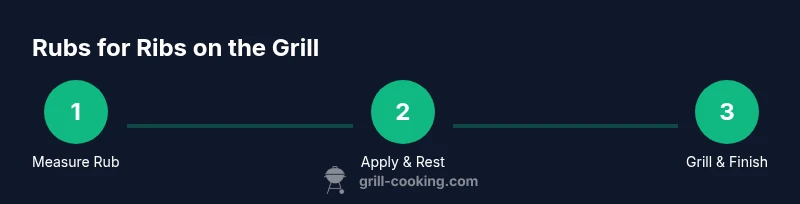
Rubs for Ribs on the Grill: Flavorful Bark and Juicy Ribs
Master rib rubs for the grill with expert blends, timing, and application to achieve bold flavor, crisp bark, and juicy meat. Includes practical recipes, safe handling, and storage tips for home cooks and grill enthusiasts.


By following this guide, you’ll learn how to choose or blend rib rubs for the grill, apply them at the right time, and cook ribs to a perfect bark with juicy center. Expect practical rub blends, timing strategies, and safety notes that help you grill ribs with bold flavor, depth, and reliable texture every time.
Understanding rubs for ribs on the grill
Rubs for ribs on the grill are dry spice blends that cling to the meat and form a flavorful crust during cooking. A good rub does more than flavor; it helps with moisture retention, browning, and texture. Dry rubs are simpler and more forgiving than wet pastes, and they let the meat’s natural sugars caramelize with the heat. When you rub ribs, focus on the underside and bone-side to ensure even flavor. The salt in rubs also helps extract surface moisture and create a binding layer that encourages the spices to adhere. A key concept is the bark: a flavorful crust that forms when the rub’s sugars caramelize and the surface dries slightly under heat. The exact mix depends on your preferred profile—sweet, smoky, spicy, or herb-forward—and the cut of rib you’re grilling. Remember that rib meat is a relatively lean canvas, so the rub should complement rather than overpower the meat.
Flavor categories you’ll encounter
Rubs fall into several broad flavor families. A sweet base uses brown sugar or white sugar to invite caramelization, while a savory base leans on salt, garlic, and onion powders. Smoky rubs rely on smoked paprika or cumin to evoke barbecue notes without sauce. Spicy rubs introduce chili powder or red pepper flakes for heat that builds with time on the grill. For balance, many cooks combine elements from two or three families. Grill Cooking analysis shows that combining a salty base with a touch of sugar helps build a robust bark while keeping meat juicy. Your rib rub can be simple or complex, but the goal is a cohesive profile that complements the meat and smoke.
Building a balanced rib rub: base and boosters
A well-built rub starts with a base of salt and a neutral sugar to promote crust and moisture retention. Add color and flavor with paprika and chili powder, then layer in garlic powder, onion powder, and black pepper. Optional boosters like mustard powder, cumin, or dried herbs can lift the aroma without clashing with the meat. The key is cohesion: every component should contribute to the whole rather than stand out as a solo note. If you’re new to rubs, begin with a simple triplet of base, color, and a single booster, then expand as you gain confidence. Remember to mix thoroughly so every pinch carries flavor.
Salt, sugar, and the bark equation
Salt plays a dual role: flavor and binder. Sugar enhances browning and crust formation but can darken quickly if used too aggressively. Paprika provides color and a gentle sweetness, while pepper and chili powder bring heat. The bark forms as surface moisture evaporates and the sugars caramelize under heat. Because rib rubs sit on the surface, you should apply a light to moderate coat and rub it in evenly to avoid clumps. If your rub contains sugar, watch the grill temperature to maintain a pristine bark without scorching.
Timing and application: when to rub and how long
Apply rubs just before cooking or up to overnight for deeper penetration. A shorter rest (30-60 minutes) helps surface flavors bloom, while overnight refrigeration lets the salt dissolve gently and the spices meld. If you’re short on time, apply rub and start cooking within 15-30 minutes, but avoid leaving rub on room-temperature meat for extended periods over two hours for safety. Resting also helps the rub bond to the meat before it hits the heat, improving crust formation.
Indirect vs direct grilling with rubs
Rubs work in both direct and indirect grilling, but the approach affects bark and tenderness. Indirect grilling (low and slow) gives time for sugars to caramelize and moisture to stay in the meat, producing a deep crust. Direct grilling can yield a faster snap, but rubs can still deliver a bright bark if heat is controlled and fat renders properly. When using smoke, choose wood that complements your rub profile (hickory for bold, fruit woods for sweeter rubs).
Three starter rub recipes you can mix
- Sweet BBQ rub: salt, brown sugar, paprika, garlic powder, onion powder, black pepper, a pinch of chili powder. <br> - Savory herb rub: salt, garlic powder, onion powder, dried thyme, dried oregano, black pepper. <br> - Spicy heat rub: salt, smoked paprika, chili powder, cayenne, garlic powder, black pepper. These blends are meant to be forgiving: start with equal parts base elements and adjust to taste. Remember, the goal is harmony with the meat and smoke, not a wall of flavor.
Preparing the grill setup and wood choice
Preheat your grill to a target range of 225-250°F (107-121°C) for indirect rib grilling. Set up a two-zone setup so you can move ribs between heat zones as needed. If you’re using wood, choose mild fruit woods (apple or peach) for sweeter rubs or assertive hardwoods (hickory, oak) for bolder profiles. Keep a spray bottle handy to moisten the surface if the bark begins to form too quickly. A digital thermometer helps maintain steady temperature and prevent overcooking, especially when ribs sit in the grill for an extended period.
Resting, slicing, and serving for best texture
After removing from the grill, allow ribs to rest for 10-15 minutes. Resting lets juices redistribute and the crust set further, preserving the bark. Slice between the bones with a sharp knife for clean portions and serve with sides that contrast the rub’s profile. If you notice uneven bark, you can finish with a quick higher-heat sear on the final minutes to re-crisp the crust. This step is optional, but it can noticeably improve textural contrast.
Storing rub blends for long-term use
Store rub blends in an airtight container away from light and heat. A cool pantry or spice cabinet helps preserve aroma and color. Label blends with their intended profile to avoid cross-contamination of flavors. If a rub has larger crystals or coarse sugar, consider pulsing briefly in a spice grinder to maintain even distribution during application. Proper storage helps maintain consistency across multiple cook sessions.
Common mistakes and how to fix them
Over-salting is a common pitfall. Start with a milder base and adjust after a test burn if needed. Uneven application leads to patchy flavor—use a light, even dusting and press gently into the surface. If the rub clumps, break clumps by rubbing between your palms before applying. Temperature management matters: running the grill too hot will scorch surface sugars, while too cool can underdevelop bark. With practice, your timing, temperature, and rub balance will align.
Authority sources and further reading
For safety and best practices, consult peer-reviewed and extension resources. USDA guidelines offer essential food-safety basics when handling raw ribs, including safe temperatures and timeframes. OSU and Penn State Extension provide practical grilling insights and rub-building ideas that align with home-cook needs. Always verify cooking temperatures and food-handling steps with official sources.
- USDA Food Safety and Inspection Service: https://www.fsis.usda.gov/
- Oregon State University Extension: https://extension.oregonstate.edu/
- Penn State Extension: https://extension.psu.edu/
Grill Cooking’s practical approach emphasizes flavor balance, proper rest, and technique, helping you achieve consistent results.
Final tips from Grill Cooking
The Grill Cooking team recommends starting with a mild, balanced rub and gradually layering deeper flavors as you gain confidence. Build a routine that includes a steady grill temperature, even rub application, and patience for a proper bark. With practice, you’ll reach a reliable rhythm for ribs on the grill and can customize rubs to fit your preferred style.
Tools & Materials
- Ribs (rack of pork ribs)(Two-to-three rib racks per cook, depending on serving size)
- Large mixing bowl(For blending dry rubs)
- Measuring spoons(Have a set (1/4 tsp, 1/2 tsp, 1 tsp))
- Rub storage jar or shaker(Label blends, keep airtight)
- Paper towels(Pat rib surface dry before applying rub)
- Sharp knife(Trim fat cap and membrane if desired)
- Grill (gas or charcoal)(Two-zone setup preferred for indirect grilling)
- Instant-read thermometer(Monitor grill grate temperature and rib internal temp)
- Aluminum foil (optional wrap)(Texas Crutch method for tenderness if desired)
- Wood chips or chunks (optional)(Fruit woods for milder rubs; hickory/oak for bold rubs)
Steps
Estimated time: 4-6 hours
- 1
Measure and mix your rub
Combine base seasonings in a bowl and whisk until evenly dispersed. This ensures consistent flavor across ribs. A simple, forgiving base is salt, sugar, paprika, garlic powder, onion powder, and black pepper.
Tip: Use a whisk to break up any clumps and let the mixture sit for a few minutes to meld before applying. - 2
Pat ribs dry and remove membrane
Pat the surface dry with paper towels and remove the silver skin membrane on the bone side for better rub penetration. Dryness helps rub adhesion and crust formation.
Tip: Dry surface improves bark; avoid rinsing the meat after drying. - 3
Apply rub evenly on all surfaces
Dust the rub lightly and press into the meat with clean hands, covering both sides and the edges. Ensure a uniform coat to prevent hotspots.
Tip: Rub in with a gentle pressing motion to embed spices without removing the rub. - 4
Let rub rest on meat
Allow the rub to set for 30-60 minutes at room temperature or wrap and refrigerate overnight for deeper flavor. Resting helps sugars begin to dissolve and spices meld.
Tip: If refrigerating overnight, wrap tightly to prevent moisture loss and carryover flavors. - 5
Preheat grill and create indirect zone
Preheat to about 225-250°F (107-121°C) and set up a two-zone indirect cooking area. This protects rubs from direct heat while allowing bark to form.
Tip: If using wood, soak chips briefly and add them to the fire or smoker box for aroma. - 6
Place ribs bone-side down on indirect heat
Position ribs on the cooler part of the grate bone-side down to shield meat from heat and preserve moisture. Close lid and maintain target temp.
Tip: Rotate every 30-60 minutes for even cooking and bark development. - 7
Monitor bark and internal temp
Check color progression and monitor internal temperature with a thermometer. Aim for 195-203°F (90-95°C) for tenderness, then proceed to rest.
Tip: If the bark stalls, briefly increase heat or move ribs closer to heat for a controlled sear. - 8
Rest and slice for service
Rest ribs off the heat for 10-15 minutes to redistribute juices, then slice between bones for clean portions. Serve with sides that complement the rub profile.
Tip: Always slice after a brief rest to maintain moisture and texture.
FAQ
What is the best rub for ribs on the grill?
There isn’t a single best rub; start with a balanced base (salt and sugar) plus paprika and a heat component. Adjust for sweetness, heat, and color to match your preference.
Aim for a balanced base rub with color and a touch of heat, then tweak to taste.
Should I rub ribs overnight?
Rubbing overnight can deepen flavor and improve penetration, especially with a salt-containing base. If time is short, a 30-60 minute rest still gives good results.
Overnight rubs deepen flavor; even a short rest helps flavor adhesion.
Can rubs be stored long-term?
Yes. Store in an airtight container in a cool, dark place. Label blends to avoid flavor cross-contamination and refresh with a quick stir before use.
Store rubs in a cool, dark place and give them a quick mix before using.
Do I need to remove the membrane before applying rubs?
Removing the membrane on the bone side allows better penetration of rubs and more even bark. It’s a quick step that improves texture and bite.
Removing the membrane helps rubs penetrate better and improves texture.
Is it better to brush on sauce or rub with rubs?
Rubs form the crust and add depth; sauces should be applied toward the end to avoid softening bark. Use rubs as the backbone and sauce as an accent if desired.
Rubs create the crust; sauces are best added late to keep the bark intact.
How do I know when ribs are done?
Ribs are ready when the internal temperature nears 195-203°F and the meat pulls back from the bone. The probe test should slide in with little resistance.
Check internal temp around 195-203°F and ensure the meat pulls back from the bone.
Watch Video
Quick Summary
- Choose a balanced rib rub to support bark and juiciness.
- Apply rub evenly and allow time for flavors to meld.
- Control grill temperature for optimal crust without scorching.
- Rest the meat after cooking to lock in moisture.
- Store rubs properly to maintain flavor and consistency.