How to Grill Ribs on a Grill
Learn to grill ribs on a grill with a reliable two-zone setup, rubs, timing, and a juicy finish. Expert tips for home cooks and grill enthusiasts from Grill Cooking.


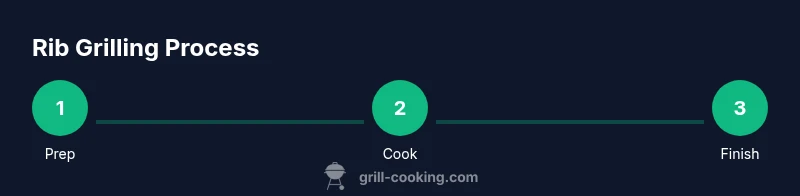
Mastering ribs on a grill means choosing the right rib cut, planning a two-zone setup, and applying a slow, low-heat cook with a final glaze. Start by trimming, drying, and seasoning, then sear briefly over direct heat before moving to indirect heat until tender. Rest, glaze, and slice for serving.
Why Rib Grilling Shines on a Grill
Ribs are inherently well-suited for grill cooking because their bone structure helps shield meat from the hottest direct heat while the marbling keeps moisture in. A two-zone setup—one area for high heat searing and another for lower, indirect heat—lets you build a flavorful crust without risking dry meat in the center. The optional addition of wood smoke adds another layer of depth without overpowering the pork’s natural sweetness. For home cooks and grill enthusiasts, this approach provides consistent browning, tender texture, and uniform doneness across the rack. It also makes flare-ups easier to manage since you can move the meat away from direct flames when needed. In practice, patience and temperature control are as important as seasoning. With a steady rhythm, you’ll achieve a bark that carries the rub’s spices and a juicy interior that bites cleanly with every slice.
Choosing the Right Ribs
Rib quality starts with the cut. Baby back ribs are leaner and cook a bit faster, while spare ribs deliver more meat and richer fat marbling. For beginners, baby backs are forgiving and versatile; for true rib lovers, spare ribs offer bigger flavor when given time to render fat. Look for racks with a consistent thickness and no excessive bone gaps. Trim the membrane on the bone side to help rub penetration and ensure even cooking. If possible, buy from a reliable butcher or select fresh, responsibly raised pork. Consider removing silver skin from the bone side to promote even rub uptake and a better bark. Finally, plan on 2–3 racks for a family-sized meal, depending on appetite and side dishes.
Marinating and Dry Rubs
A dry rub provides surface flavor and helps form the initial bark. Mix kosher salt, sugar, paprika, chili powder, garlic, onion, and your preferred spices to taste. Apply generously and let the meat rest in a cool area for 30–60 minutes or up to 24 hours in the fridge for deeper flavor. If you choose a marinade instead, keep the pork from sitting in acidic liquids too long to avoid texture changes. When applying rubs, pat them into the surface rather than massaging; this keeps the rub in place and prevents the meat from pulling away from the bone during cooking. For a glaze finish, reserve a separate sauce or glaze to brush on toward the end of cooking so the sugars don’t burn.
Prepping the Grill for Indirect Heat
Set up your grill for two-zone cooking: hot direct heat on one side and cooler indirect heat on the other. If using charcoal, bank the coals to create a hot zone and leave space for airflow. For gas grills, turn on burners on one side while leaving the other side off, then adjust with the vents or knobs to maintain steady temps. Aim for an indirect cooking temperature around 225–250°F (107–121°C). Place a drip pan to catch fat and reduce flare-ups, and add wood chunks or chips if you want a smoky note. Clean the grates, oil lightly to prevent sticking, and position ribs bone-side down to promote even cooking from the bone outward. A good thermometer helps you monitor both ambient and grate temperatures for consistent results.
The Sear, Smoke, and Cook Method
Begin with a quick sear over direct heat to develop a crust and lock in juices, about 2–4 minutes per side depending on your grill. Move the rack to indirect heat and close the lid, maintaining a steady low temperature. Flip the ribs every 30–40 minutes to promote even cooking and create a uniform bark. Add a splash of water or apple juice to the drip pan if you notice excessive drying. If you’re using smoke, keep the smoke path gentle to avoid overpowering the pork. Check internal temperature and texture: the meat should pull slightly away from the bone and feel tender when probed with a toothpick or instant-read thermometer. Plan on 2.5–3.5 hours of cooking time, depending on rack size and heat consistency.
Finishing with Sauce and Resting
When the ribs approach tenderness, brush a thin layer of glaze or sauce on the meat and let it set for 5–10 minutes under the lid to avoid burning sugars. Rest the ribs for 10–15 minutes before slicing to allow juices to redistribute. Slice between bones and serve with sides that complement the glaze choice—classic coleslaw, cornbread, or grilled corn-on-the-cob work beautifully. If you have leftovers, wrap tightly and refrigerate within two hours of cooking for best quality. For extra flavor in future cookups, you can keep a small amount of rub in a dry container for frequent use and experiment with different wood smoke options to vary smoke intensity.
Troubleshooting Common Issues
If the meat seems dry or tough, verify that you maintained steady indirect heat and avoided overcooking. A bark that looks glossy but isn’t tacky can indicate insufficient seasoning or browning; reapply rub and re-sear briefly if needed. If you see excess flare-ups, move the ribs away from flames and add distance between heat source and meat. Uneven doneness can come from racks that are too close together or coals that aren’t evenly distributed; rearrange and recheck temperatures. For a stubborn center, extend the indirect cook time at a slightly lower temperature, then finish with a glaze to boost flavor and moisture. Remember, resting time is essential for juicy ribs—skipping it leads to a drier bite.
Serving and Leftovers
Serve ribs with extra napkins, cool beverages, and sides that balance smoky sweetness. Leftovers can be stored tightly wrapped in the fridge for up to 3–4 days or frozen for longer storage. Reheat gently in the oven, wrapped in foil to preserve moisture. Consider turning leftover ribs into pulled pork techniques or adding to a barbecue sandwich with fresh buns and slaw for a different meal experience. By keeping portions small and using leftovers creatively, you’ll reduce waste and keep every bite delicious.
Tools & Materials
- Ribs (pork spare ribs or baby back ribs)(2–3 racks recommended for a family of four)
- Dry rub or spice mix(Custom mix or store-bought; includes salt, sugar, paprika, and aromatics)
- Barbecue sauce or glaze(Optional for finishing; reserve for last 15 minutes)
- Olive oil or neutral oil(Lightly oil grates or rub on ribs to prevent sticking)
- Two-zone grill setup (charcoal or gas)(Direct heat area for searing; indirect area for slow cooking)
- Meat thermometer with probe(Monitor grill ambient temperature and rib internal temperature)
- Instant-read thermometer(Quick checks for doneness and tenderness)
- Heavy-duty aluminum foil(Wrap for resting or foiling to trap moisture)
- Basting brush(For applying glaze during final stage)
- Wood chips or chunks (apple, hickory, cherry)(Adds smoke flavor; soak chips 30 minutes before use)
Steps
Estimated time: Total time: 3-5 hours
- 1
Choose and trim ribs
Select rib racks with even thickness. Remove the membrane from the bone side and trim excess fat for more even rub absorption. Pat dry to get better sear and bark.
Tip: Dry surface helps rub adhere and forms a better crust. - 2
Apply rub and optional marinate
Season generously with a balanced rub, focusing on the bone area for flavor. If marinating, keep to moderate times to avoid texture changes; overnight refrigeration yields deeper flavor.
Tip: Pat rub in, don’t rub hard and risk pulling meat away from the bone. - 3
Set up two-zone grill
Create a high-heat zone for searing and a cooler zone for indirect cooking. Maintain a steady temperature in the 225–250°F range for long, forgiving cooks.
Tip: Keep a thermometer close to monitor ambient temperature. - 4
Preheat and start smoking (optional)
If using wood, add pre-soaked chips to a smoker box or foil pouch placed over coals. Let the grill come to temperature before placing ribs.
Tip: Avoid over-smoking; aim for a subtle, balanced aroma. - 5
Sear over direct heat
Sear ribs 2–4 minutes per side to start the crust. Then move to indirect heat and close the lid.
Tip: Searing locks in moisture and establishes bark early. - 6
Cook slowly and flip
Maintain indirect heat and flip the racks every 30–40 minutes for even browning. Add moisture if the surface looks dry.
Tip: Flipping ensures an even bark and prevents hot spots from burning one side. - 7
Finish with glaze and rest
Brush glaze in during the final minutes, then rest ribs for 10–15 minutes before slicing.
Tip: Resting redistributes juices and improves tenderness. - 8
Serve and store leftovers
Slice between bones and serve with sides. Refrigerate leftovers promptly in a sealed container for up to several days; freeze for longer storage.
Tip: Store with a bit of glaze to preserve moisture.
FAQ
What rib cut is best for grilling?
Baby back ribs cook quickly and are easier to manage, while spare ribs offer more meat and flavor with a bit longer cooking time. Choose based on your timeline and preferred texture.
Baby backs are good for quicker cooks, while spare ribs give more meat and flavor with a bit longer cooking time.
Do I need to wrap ribs in foil?
Wrapping, often called the 'Texas crutch,' can speed up tenderness by trapping moisture. You can wrap after the initial bark forms, then finish unwrapped to set the glaze.
Wrapping can help tenderize and save time, but finish unwrapped for a nice glaze.
What temperature should ribs be cooked at?
Cook ribs at a steady low temperature, typically around 225–250°F (107–121°C) for even cooking and tenderness. Use a meat thermometer to check internal doneness.
Keep it around 225 to 250 degrees for tender ribs; check with a thermometer.
How long do ribs take to grill?
Expect 2.5–3.5 hours of indirect cooking time, depending on rib size and grill stability. Always rely on tenderness rather than time alone.
Most ribs take about 2.5 to 3.5 hours; tenderness is the key.
Should I sauce the ribs during cooking?
Brush glaze in the final 15 minutes to prevent sugars from burning. Apply thin layers and let each layer set before adding more.
Sauces go on late in the cook to avoid burning sugar.
How can I tell ribs are done?
Ribs are done when the meat pulls back from the bone and feels tender to a probe. The internal temperature should be in a safe range for pork, and the meat should yield with slight resistance.
Tender ribs pull away slightly from the bone; test with a thermometer.
Watch Video
Quick Summary
- Plan a two-zone grill for control and flavor.
- Rest ribs after cooking to lock in juiciness.
- Sear then cook slowly for a balanced bark and tenderness.
- Finish with a glaze for glossy texture and taste.
- Prep well and manage temps to prevent drying out.