Best Way to Cook Ribs on the Grill: A Practical Guide
Master the best way to cook ribs on the grill with two-zone heat, rubs, and timing tips for juicy, tender ribs. Learn prep, heat management, resting, and safety to grill perfect ribs every time.


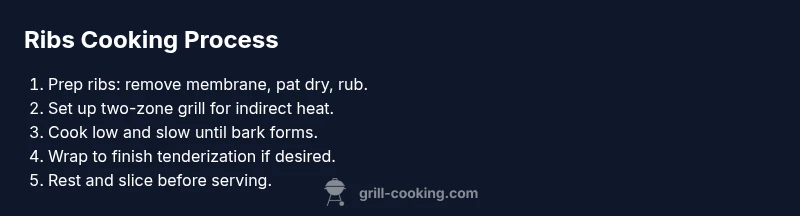
By following this guide, you’ll master the best way to cook ribs on the grill using a two-zone setup for even cooking, slow cooking for tenderness, and a glaze strategy that builds flavor without burning. You’ll learn prep, rubs, timing, and safety from Grill Cooking. Plus, get practical tips on heat management and resting the meat for best results.
The Core Method: Why this is the best way to cook ribs on the grill
When home cooks want ribs that are tender, smoky, and easy to pull from the bone, the approach matters as much as the ingredients. The best way to cook ribs on the grill combines a two-zone heat setup, patient cooking, and flavor-building steps that work on a standard backyard grill. The Grill Cooking team found that controlling heat, moisture, and timing yields consistent results, whether you’re using baby back or spare ribs. Two-zone cooking creates a hot zone for bark and searing, and a cooler zone for slow, even cooking. By moving the ribs between zones and maintaining a predictable rhythm — flip, rest, and repeat — you avoid scorching the surface while the interior finishes to tenderness. This method scales from a single rack to multiple racks with modest adjustments. The key is discipline: monitor temperature, manage airflow, and give the meat time to respond to the heat. According to Grill Cooking, this balance of smoke exposure, bark formation, and moisture retention is what separates good ribs from great ribs. In practice, the method emphasizes consistency over timing tricks, so you know what to expect on any grill.
Rib Selection and Prep: Start right
Choosing the right rib cut matters. Baby back ribs are leaner and cook a bit faster, while spare ribs bring more fat and connective tissue for richer flavor. Regardless of cut, remove the thin membrane from the bone side so seasonings can penetrate, and pat the surface dry to promote browning. A light trim removes excess fat but keeps marbling. Apply a balanced rub that includes salt, sugar, paprika, garlic, and chili for depth. Let the rub sit for at least 15 minutes (or up to several hours) to wake the flavors. If you’re using a glaze, plan it for the final phase so the sugars can caramelize without burning. The goal of prep is to expose as much surface area as possible to heat while safeguarding moisture inside. Grill Cooking’s approach is to prepare your ribs in a way that the bark forms evenly on all surfaces, not just the top. This section sets the stage for a successful cook by aligning cut choice, prep, and seasoning with the two-zone strategy.
Building Flavor: Rubs, sauces, and smoke
Rubs are the foundation of flavor before sauce, and they influence bark and tenderness more than most home cooks realize. A balanced rub typically includes salt to season, sugar for browning and moisture retention, paprika for color, garlic for warmth, and a touch of chili for heat. The sugar also acts as a gentle glaze when applied later, so plan to apply your sauce or glaze toward the end of the cook. If you want additional smoke, consider a small amount of wood chips or chunks added to the hot zone or placed in a smoker pouch. Smoke lends depth without overpowering the natural pork flavor. Some cooks favor a light, sweet rub for baby backs and a heartier mix for spares; testing both can help you dial in your preferred profile. Remember: the rub should cling to the surface but not form a crust so thick that moisture cannot migrate from the meat. In short, flavor builds from the surface inward, so the rub and smoke together form the core of your rib flavor profile.
Temperature Control: Two-zone grilling in practice
The two-zone setup is not a fancy trick; it’s a practical framework for consistent results. Preheat the grill and establish a hot zone for searing and bark formation, paired with a cooler zone for gradual, even cooking. Place the ribs bone-side down away from direct heat to start, and close the lid to trap heat. If your grill runs hotter than desired, drift the ribs toward the cooler area and adjust the vents to dampen the fire. The goal is to keep the indirect zone comfortable enough to slowly render fat and break down collagen while preventing the exterior from burning. Use a reliable thermometer to monitor ambient and internal temperatures, and flip the ribs periodically so every surface meets heat consistently. If you notice heavy smoke or scorching, pause, adjust airflow, and move the ribs to the cooler side. This approach helps ensure tender, juicy results without sacrificing bark.
Finishing Touches: Wrapping, glazes, and resting
Toward the final phase, many cooks wrap the ribs in foil or butcher paper with a small amount of liquid to accelerate tenderization—the Texas crutch. Wrapping holds moisture and concentrates heat, helping the meat reach the desired texture faster. After the bark forms and you’ve achieved the tenderness you want, remove the wrap and apply a glaze or sauce if you like a sticky finish. Return the ribs to the grill briefly to set the glaze, then remove and let them rest. Resting is essential; it allows juices to redistribute and keeps slices juicy when cut. Finally, slice between the bones and serve with your favorite sides. The entire process rewards patience with a succulent, toothsome bite rather than dry, overcooked meat.
Troubleshooting and common mistakes
Even seasoned grill masters hit snags now and again. Common mistakes include cooking with the grill too hot for too long, which can burn the bark and dry the interior, or neglecting to remove the silver skin, which blocks flavor penetration. Over-saucing early can cause the surface to burn; save glaze for the final phase. Another frequent pitfall is opening the grill too often, letting heat escape and prolonging cook times. Use a thermometer and a timer to stay on track, and trust the process rather than chasing exact times. If you follow a two-zone approach but still encounter uneven cooking, double-check the grate level, air vents, and fuel distribution. With practice, you’ll learn how your grill responds to different rib cuts and weather conditions, so you can adjust quickly and consistently produce great ribs every time.
Tools & Materials
- Two-zone grill setup(Hot zone and cool zone for indirect cooking)
- Digital meat thermometer(Probe or instant-read for internal checks)
- Heavy-duty aluminum foil(For wrapping during finishing phase)
- Aluminum sheet pan or tray(Catch juices during cooking)
- Basting brush(For applying glaze near the end)
- Tongs and grill gloves(Safe handling and flipping)
- Paper towels(Clean handling and quick dabs)
- Sharp chef’s knife(For trimming and portioning)
- Wood chips or chunks (optional)(For light smoke flavor)
- Rib rack (optional)(If cooking multiple racks)
Steps
Estimated time: Total time: 4 hours
- 1
Prep ribs
Rinse and pat dry. Remove the membrane from the bone side and trim excess fat. Pat dry again to promote rub adherence. This step helps heat penetrate evenly and prevents a gummy surface.
Tip: Use a blunt knife to lift the membrane, then pull it away with a paper towel. - 2
Apply rub
Generously coat the ribs with your chosen rub. Massage it into the meat so flavors penetrate the surface. Let it sit for 15 minutes or longer for deeper flavor.
Tip: A light gloss of oil helps the rub stick during the wait. - 3
Set up grill
Preheat and establish two zones: a hot zone for bark and searing, and a cooler zone for slow finishing. Ensure vents are adjusted to hold steady but not aggressive heat.
Tip: A water pan in the grill can help stabilize temperature and add moisture. - 4
Start cooking
Place ribs bone-side down on the cool side. Close the lid and let heat circulate. Check occasionally but avoid frequent openings to maintain consistent cooking.
Tip: Aim for gradual warmth rather than rapid heating to prevent toughness. - 5
Flip and glaze
Turn ribs to ensure even exposure and apply glaze or sauce during the final phase to prevent scorching. If using sauce, brush lightly and let it set under heat.
Tip: Apply glaze in thin layers rather than thick coats. - 6
Wrap and finish
Wrap in foil with a splash of liquid to tenderize, then return to heat until you can pull a bone away with little resistance. Remove wrap and resume cooking briefly to set bark.
Tip: Keep the wrap tight to trap steam and moisture. - 7
Rest and serve
Let the ribs rest for 10-15 minutes, then slice between the bones. Resting prevents juices from running out and keeps slices juicy.
Tip: Slice with a sharp knife for clean portions.
FAQ
What is two-zone grilling and why is it ideal for ribs?
Two-zone grilling creates a hot zone for searing and a cooler zone for slow cooking. It prevents burning while allowing the meat to tenderize evenly. This setup is ideal for ribs because you can build bark without drying the interior.
Two-zone grilling uses a hot area and a cooler area so ribs brown and tenderize evenly. It helps you avoid burning the outside while the inside finishes.
Should I wrap ribs during cooking?
Wrapping, often called the Texas crutch, speeds tenderness by trapping moisture and heat. Use it after the bark forms and remove near the end to allow surface drying and glaze set.
Wrapping ribs helps them become tender by trapping moisture. Use it after you’ve formed a bark and remove near the end to finish.
Which rubs work best for pork ribs?
A balanced rub with salt, sugar, paprika, garlic, and a touch of chili provides reliable flavor and color. Adjust sweetness or heat to match your taste and sauce pairing.
A balanced rub with salt, sugar, paprika, and garlic is a good starting point. You can tweak sweetness and heat to taste.
Can I use a gas grill or charcoal for ribs?
Both work well. Gas grills are convenient and controllable; charcoal adds more smoke. The key is maintaining steady two-zone heat and managing airflow for consistency.
Gas or charcoal both work; control heat and smoke flavor for best results.
How do I know ribs are done without overcooking?
Ribs are tender when the meat pulls back from the bone and offers slight resistance to a twist. Rely on texture and tenderness rather than fixed times.
Tender ribs pull away from the bones and feel firm but not hard. Check texture for doneness.
Watch Video
Quick Summary
- Set up two-zone heat for consistent indirect cooking.
- Pat ribs dry and apply a balanced rub for surface adhesion and flavor.
- Cook low and slow; use temperature checks for tenderness, not time alone.
- Finish with glaze after bark forms; rest before slicing.
- Wrap if you need faster tenderness, then rest and serve.