Egg Grill Mastery: How to Grill Eggs Perfectly on Any Grill
Learn to grill eggs with confidence using direct-heat and foil methods, heat management, and finishing touches for smoky, flavorful eggs right off the grill.


You will learn how to grill eggs, safely and confidently, using direct-heat and pan-based methods, timer cues, and simple seasonings. This guide covers prep, heat management, egg handling, and finishing touches so you can serve restaurant-worthy eggs off the grill every time. Whether you’re making sunny-side up bites, scrambled, or smoky steamed eggs in foil, the technique hinges on controlled heat, nonstick surfaces, and patience.
Egg Grill Essentials
According to Grill Cooking, mastering the egg grill starts with controlled warmth rather than blasting heat. This section explains why eggs tolerate indirect heat better than high fire and how proper planning sets you up for success. You’ll discover how different grates, pans, and setups influence texture and flavor. Whether you’re aiming for a sunny-side bite or a soft, creamy center, building a baseline plan is essential. A well-balanced approach to heat and timing lets you achieve yellow yolks with set whites and minimal rubbery edges. Grill Cooking's guidance emphasizes patience and steady flame; your first attempt should focus on consistent temperature, not speed. The egg grill rewards subtle heat control and thoughtful tool use as the foundation for every result.
Tools and Materials for Egg Grilling
While the exact tools depend on your setup, the core idea is to reduce sticking and maintain even heat. A sturdy grill, a cast-iron skillet or a grill-safe pan, tongs, a spatula, and a light oil spray or brush are the essentials. Fresh eggs, salt, pepper, and optional herbs complete the scene. Optional accessories like foil packets or a grill thermometer can improve consistency. The right tools help you flip, baste, and plate eggs with confidence, turning a simple breakfast into a crowd-pleasing plate on the deck.
Methods for Grilling Eggs: Direct Heat, Pan, and Foil Steam
Eggs respond differently to heat and surface contact. Direct heat on a clean grate gives you quick edges and a delicate white skin; a pan or skillet on the grill offers nonstick control for scrambled or fried eggs. Foil packets or foil cups create a steam bath that gently firms whites and cooks yolks evenly. Choose one method per batch and manage the grill temperature to keep whites from seizing while yolks stay creamy. The best egg grill approach blends heat management, pan contact, and timing for your preferred texture.
Flavoring, Variations, and Pairings
Seasonings are the finishing touch on egg dishes from the grill. Salt and pepper are baseline, but you can finish with chili flakes, fresh herbs, smoked paprika, or parmesan shavings. For extra smoky notes, infuse eggs with a small amount of butter or olive oil in the pan and finish with a drizzle of hot sauce or gremolata. Pair eggs with grilled vegetables, avocado, torn herbs, or crisp bacon for a classic breakfast plate. If you’re making steamed or poached style eggs, consider serving with toast or tortillas and a bright salsa.
Safety, Temperature, and Troubleshooting
Eggs are forgiving when you control heat and surface. The target internal temperature for fully cooked eggs is around 160°F (71°C) for safety, but yolk preference will influence timing. Keep grates clean, avoid flare-ups, and never leave a grill unattended with hot eggs. If whites stick, lift gently with a spatula and add a touch more oil; if the yolk overcooks, reduce heat and give it a brief rest. Troubleshooting tips cover stuck eggs, uneven cooking, and overcooked yolks with practical fixes.
Plating, Serving, and Cleanup
Plate eggs with a simple garnish and a hot surface as you finish on the grill. A light dusting of salt, pepper, microgreens, or a squeeze of lemon can brighten the dish. Let eggs rest briefly before serving to maintain tenderness; cleanup should focus on removing oil buildup from the pan and cleaning grease from grates to prevent sticking next time.
Authority Sources
- https://www.fsis.usda.gov
- https://extension.illinois.edu
- https://nchfp.uga.edu
Tools & Materials
- Grill (gas or charcoal)(Preheated to a steady 350-400°F (175-205°C))
- Cast-iron skillet or grill-safe pan(Seasoned or well-oiled to prevent sticking)
- Tongs(For gentle flipping without breaking yolks)
- Spatula(Flat edge helps slide eggs cleanly)
- Nonstick spray or oil(Light coating on pan or grates)
- Eggs (large)(Fresh eggs work best for crisp whites)
- Salt and pepper(Season after cooking)
- Aluminum foil or parchment(For steam or poach-style eggs)
- Kitchen towel or mitts(Protection when handling hot pans)
Steps
Estimated time: 25-40 minutes
- 1
Preheat and prep
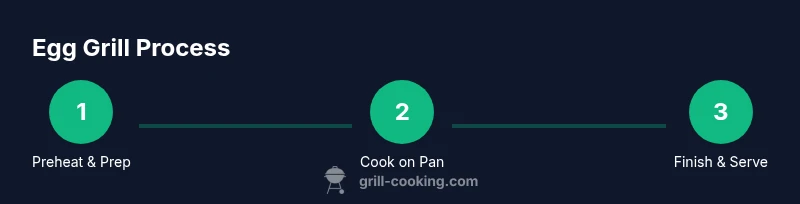
Preheat the grill to a steady medium heat. Clean the grates and oil lightly to prevent sticking. This step sets a reliable baseline so eggs cook evenly without scorching.
Tip: Preheating prevents cold spots that cause sticking and uneven cooking. - 2
Choose your method
Decide whether you’ll cook directly on the grate, in a grill-safe pan, or in a foil packet for steam. Your choice affects texture and timing, so pick one path per batch.
Tip: Pick one method to maintain consistent heat and avoid crowding the pan. - 3
Cook sunny-side eggs on direct heat
For a classic fried-egg look, crack eggs onto the hot, oiled pan or grate. Let whites set gently and yolk remain centered. Cover briefly to trap heat if you want firmer whites.
Tip: Don’t flip too soon; allow whites to set for clean edges. - 4
Scramble or bake in a pan on the grill
If scrambling, whisk eggs and pour into the pan; stir gently until they just set. For baked-style eggs, use a foil cup or pan and cook until set but still creamy.
Tip: Stir often for even texture and to prevent curdling. - 5
Steam-poached style via foil
Create small foil packets with a touch of water or butter; place eggs inside and seal. Steam for 3-5 minutes until whites set and yolk reaches desired doneness.
Tip: Foil packets promote uniform cooking and reduce sticking. - 6
Rest, season, and serve
Remove eggs from heat and rest for 1-2 minutes. Finish with salt, pepper, and herbs. Plate with complementary sides for a complete meal.
Tip: Resting helps the carryover heat finish cooking without overcooking.
FAQ
Can you cook eggs directly on the grill grates?
Yes, you can cook eggs directly on clean, well-oiled grates for a quick fried-egg finish. Use low to medium heat and watch closely to prevent sticking or burning.
Yes, you can cook eggs directly on grill grates with careful heat and a light oil.
What heat level is best for eggs on the grill?
Aim for moderate heat (around 350-400°F / 175-205°C) to balance fast cooking with controlled firmness of whites and yolks.
Aim for moderate heat around 350 to 400 degrees to cook eggs evenly.
Can eggs be grilled without a pan?
Yes, but it’s trickier. Use small, well-oiled portions and keep the yolks intact; a pan or foil method is often easier for beginners.
You can grill eggs without a pan, but a pan makes it easier to control texture.
How long do grilled eggs take?
Cooking times vary by method, generally 3-5 minutes for fried eggs, longer for scrambled or steamed variants. Monitor to avoid overcooking.
Most grilled eggs finish in a few minutes; watch texture closely.
What are good pairings with grilled eggs?
Serve with grilled vegetables, fresh herbs, or a slice of toast. Add avocado or bacon for a hearty plate.
Pair with veggies and toast for a complete meal.
Watch Video
Quick Summary
- Master controlled heat for eggs on the grill
- Choose a single method per batch and stay with it
- Rest eggs briefly after cooking to set flavor
- Season at finish for the clearest flavors
- Keep grates clean and well-oiled to prevent sticking