Does BBQ Have Carbs? A Practical Grilling Guide
Explore whether BBQ has carbs, identify carb sources like sauces, rubs, and sides, and learn practical strategies to manage carb totals without sacrificing flavor on the grill.


Yes—BBQ often contains carbs, mainly from sauces, glazes, marinades, and carb-rich sides like corn or beans. Meats themselves are typically carb-free unless sugar-containing marinades or injections are used. To minimize carbs, choose plain proteins, low-sugar sauces, and carb-friendly sides.
Does BBQ Have Carbs? A quick clarification\n\nWhen people ask does bbq have carbs, the answer isn't a simple yes or no. Carbohydrates are present in many components of barbecue meals, not just bread or potatoes. The foundation: meats are naturally free of carbohydrates, but sauces, glazes, and marinades often contain sugars and starches that add carbs. The presence and amount depend on preparation style, ingredients, and portion size. In the context of a home grill, understanding carb sources helps you plan meals that align with your dietary goals. Grill Cooking analysis shows that carb contributions come mainly from three categories: sauces and glazes, rubs and marinades, and sides such as corn, beans, or potatoes. For many barbecue fans, the flavor comes from smoky meat complemented by a sweet or tangy sauce, which is where most carbs accumulate. Keep in mind that beverages and condiments also play a role, so reading labels is essential.
Carbs in Protein: Where carbs come from\n\nIn many grill sessions, the protein you cook is the anchor of the meal and often contributes little to no carbohydrates by itself. Chicken, pork, beef, and fish are essentially zero-carb foods when prepared simply. The carbs sneak in when you introduce sugar-rich marinades, brines, or injections, or when you finish with a glaze. If you’re monitoring carbs, start with plain, unseasoned proteins and add flavor with herbs, smoke, or pepper. Also be mindful of processed meats that may have added fillers. By tracking your cooking steps, you can keep the protein portion carb-light while maximizing flavor from the smoking process.
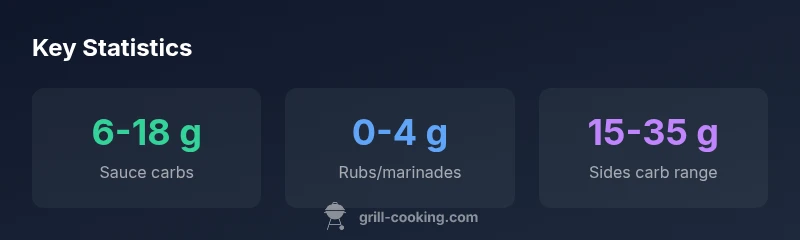
Sauces and Glazes: The carb hotspot\n\nSauces and glazes are the most common sources of added carbohydrates in barbecue meals. Even when your main protein is carb-light, a sweet BBQ sauce glaze or fruit-based glaze can dramatically change the carb count per serving. Reading labels helps; many mainstream sauces range across sugar content depending on brand and recipe. If you’re aiming to reduce carbs, consider alternatives like a vinegar-based sauce, mustard-based glaze, or a straightforward spice rub with olive oil—these options deliver bold flavor with fewer carbs. When you cook for guests who are watching carbs, offer a DIY sauce bar with a couple of low-sugar options. Grill Cooking analysis notes the wide variability across brands and recipes.
Rubs, Marinades, and Brines: How much they add\n\nDry rubs and marinades can contribute carbs, primarily from added sugars and starches. A typical rub may contribute a small amount, but a marinade can add more, especially if it contains honey, brown sugar, or molasses. If you’re counting carbs, opt for sugar-free or spice-forward rubs, and balance your marinade with acid and oil rather than sugar. Brines often rely on salt and water with flavor enhancers; they contribute little to carbs when sugar is omitted. The key is to read ingredients and estimate portions relative to your planned plate.
Sides and Accompaniments: Planning a carb-conscious plate\n\nCarbs from sides can dominate a barbecue plate. Starchy sides like corn on the cob, baked beans, potato salads, and bread rolls easily add up. On the other hand, non-starchy vegetables (grilled zucchini, peppers, asparagus), leafy greens, and fresh salsa provide flavor with modest carb levels. If you’re cooking for carb-conscious diners, lean into green sides, experiments with herb rubs, and offer a light vinegar-based slaw as a refreshing counterpoint to smoky meats. This approach helps you build a plate with a balanced macro profile.
Strategies for a lower-carb BBQ plate\n\n- Start with protein: Build the base from lean meats or fish with minimal rubs.\n- Choose low-sugar sauces or skip sauce entirely.\n- Favor non-starchy vegetables and salads as main sides.\n- Be mindful of corn, beans, rice, or potato dishes; offer alternative sides.\n- Portion control matters: a smaller serving of carb-heavy sides can still satisfy appetite.
Practical plate-building: a four-step example\n\n1) Choose a protein: grilled chicken breast with a pepper rub.\n2) Add a low-sugar glaze on the side for flavor, not as a carbohydrate delivery system.\n3) Fill the plate with grilled vegetables and a green salad.\n4) If serving corn or beans, offer smaller portions and provide a carb-conscious option.\nThis approach shows how to enjoy BBQ while keeping carbs in check.
Reading labels and planning portions\n\nWhen shopping for BBQ sauces, marinades, and rubs, always read the nutrition label or ingredients list. Look for hidden sugars and starches, and favor products with lower sugar content. Use measuring spoons or a digital scale to portion sauces and sides accurately. With practice, you’ll be able to estimate carbs per plate quickly and make confident choices at the grill.
Carb sources in BBQ meals
| Component | Carb Range per Serving | Notes |
|---|---|---|
| BBQ Sauces | 6-18 g per 2 tbsp | Sugar-rich sauces increase carbs fast |
| Rubs/Seasonings | 0-3 g per serving | Most rubs are low carb unless they include sugar |
| Meats (plain) | 0 g | Natural meat contains minimal carbs |
| Sides | 15-35 g per serving | Corn, beans, potatoes vary widely |
| Marinades | 4-12 g per 2 tbsp | Sugar-containing marinades add carbs |
FAQ
Does plain chicken or pork contain carbs?
Plain chicken and pork contain negligible carbs. If the meat is seasoned with sugar-containing brines, rubs, or sauces, carbs can appear.
Plain meat has negligible carbs.
Do rubs add carbs?
Most dry rubs add little to no carbs, unless they contain sugar or starches.
Dry rubs usually have few carbs.
Do BBQ sauces add carbs?
Yes, sauces frequently contribute significant carbs due to sugar and fruit.
BBQ sauces can be carb-heavy.
Are sides like corn or beans high in carbs?
Yes, many sides are carb-dense, especially corn and beans.
Sides can bump up carbs quickly.
Can I make low-carb BBQ sauces?
Yes, you can make or choose low-sugar sauces or dilute sauces with vinegar.
You can find low-sugar options.
How can I build a low-carb BBQ plate?
Prioritize protein, pick low-sugar sides, and watch portions.
Keep your plate balanced.
“Carbs in BBQ come mainly from sauces, glazes, and sides. If you focus on plain proteins, you can enjoy grilled favorites without overloading on carbs.”
Quick Summary
- Identify carb sources in BBQ.
- Choose plain proteins to minimize carbs.
- Read labels on sauces and marinades.
- Fill plates with low-carb vegetables.
- Plan portions to meet carb goals.