Does BBQ Have Gluten? A Practical Gluten-Free Guide for Grilling
Explore gluten risks in BBQ—from sauces and rubs to cross-contamination—and learn practical steps for gluten-free grilling at home with confidence.


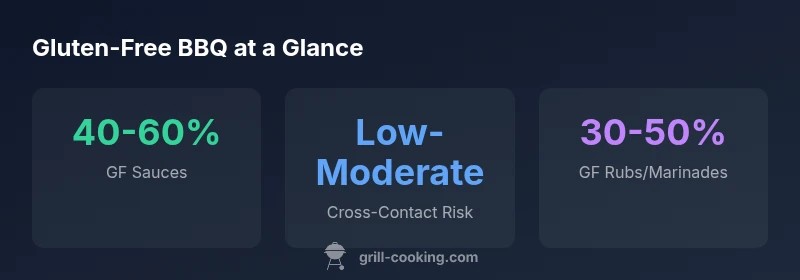
Short answer: BBQ can be gluten-free, but it often isn’t by default. Plain meats are typically gluten-free, but many sauces, rubs, and marinades include gluten from wheat, barley, or soy sauce. Cross-contamination on grills and utensils also raises risk. To ensure gluten-free BBQ, use labeled gluten-free sauces, read ingredient lists, and practice clean cooking.
Does Gluten appear in BBQ by default? Understanding the baseline
Gluten is not an inherent component of raw meat cooked on a grill. However, many common BBQ ingredients and preparations add gluten through sauces, rubs, marinades, or flour-based coatings. For home cooks and restaurant diners alike, the fundamental question remains: does BBQ have gluten? The answer depends on what you add to the meat, and how careful you are about cross-contamination. As the Grill Cooking Team emphasizes, gluten-free BBQ is achievable when you select gluten-free components and manage the cooking environment to prevent gluten transfer. In this section, we outline the baseline scenario and set expectations for gluten presence in typical BBQ settings.
Common gluten sources in BBQ: sauces, rubs, marinades, and more
The main gluten culprits in BBQ are sauces, rubs, marinades, and any breading used for crispy coatings. Store-bought BBQ sauces often contain wheat or malt, but many brands offer gluten-free options. Rubs may include flour or gluten-containing ingredients as carriers or thickeners. Marinades can hide gluten in soy sauce, malt vinegar, or flavor enhancers. Even condiments such as ketchup, mustard, and pickles can be processed with gluten-containing additives. When planning a gluten-free BBQ, you must scrutinize every component, from the meat to the bun (if you’re serving sandwiches). The goal is to assemble a lineup where gluten-bearing items are clearly identified and separated, so you can enjoy a safe, delicious cookout.
How to read labels and verify gluten-free ingredients
- Read all ingredient lists on sauces, rubs, marinades, and condiments; look for gluten words: wheat, barley, rye, malt, and gluten-containing additives.
- Be cautious with terms like modified food starch; it can be wheat-derived in some products.
- If using soy sauce, choose gluten-free tamari or labeled gluten-free soy sauce.
- Look for a gluten-free certification or explicit gluten-free label on products, and when in doubt, contact the manufacturer.
- For meats, check any injected brines or injectables for gluten-containing components before use.
Cross-contamination risks on grills and prep areas
Even if the ingredients are gluten-free, cross-contact can introduce gluten into your BBQ. Shared grills, tongs, brushes, and marinades can transfer gluten from one item to another. To minimize risk, designate a gluten-free zone on the grill, use separate utensils, wipe down grates thoroughly, and consider using foil barriers for GF meats. Wash hands and prep surfaces frequently, and store GF products away from gluten-containing items. The goal is to maintain clean separation between gluten-containing and gluten-free components.
Practical gluten-free BBQ cooking plan
- Audit every ingredient before you shop: sauces, rubs, marinades, and broths should be GF or homemade with GF ingredients. 2) Prepare a dedicated gluten-free prep area away from gluten-containing foods. 3) Preheat a GF zone on your grill and keep separate utensils. 4) Cook GF items first or use a clean grill. 5) Rest and serve GF items with gluten-free sides and buns if desired.
Gluten-free sauces and rubs you can trust
When selecting sauces and rubs, seek gluten-free labels or opt for homemade recipes using GF ingredients: tomato-based sauces, vinegar-based sauces, or honey mustard GF; choose tamari instead of soy sauce; avoid malt vinegar. For rubs, avoid flour or wheat-based carriers; use paprika, garlic, chili, and sugar blends that are GF.
Gluten-free sides and toppings for a complete BBQ
Many classic BBQ sides can be gluten-free, such as corn on the cob, baked potatoes, coleslaw (check mayo and vinegar ingredients), bean salads (choose GF dressings), and grilled vegetables. Be mindful of store-bought baked beans or potato salads that may contain gluten. Always confirm labels and prepare GF sides in a GF prep area.
Quick reference gluten-free BBQ checklist
- Choose GF meats and cut surfaces; - Read labels; - Use GF sauces; - Maintain separate grill zone; - Wipe down; - Clean utensils; - Have GF buns and sides on hand.
Gluten presence and considerations across BBQ components
| Aspect | Gluten Presence | Notes |
|---|---|---|
| Plain Meat (beef/pork/chicken) | Usually gluten-free | Check brines or marinades for gluten-containing ingredients. |
| Barbecue Sauce (store-bought) | Often contains gluten | Select 'gluten-free' labeled sauces or make your own. |
| Rubs/Seasonings | Can contain gluten | Wheat-based carriers may be used; read labels carefully. |
| Marinades | Can contain gluten | Watch for soy sauce, malt, and wheat-based thickeners. |
| Cross-Contact (grill utensils) | Possible gluten presence | Use separate tools and clean surfaces. |
FAQ
Is plain meat always gluten-free?
Yes, plain, unprocessed meats are naturally gluten-free. However, they can become contaminated during processing or marinating.
Plain meat is gluten-free, but watch for marinades and processing steps that add gluten.
What should I look for on sauce labels?
Look for gluten-containing ingredients: wheat, barley, rye, malt, and gluten-containing additives. Prefer gluten-free labeling or homemade sauces.
Check for gluten words and opt for gluten-free labels whenever possible.
Can I use soy sauce on a gluten-free BBQ?
Most traditional soy sauces contain gluten; use gluten-free tamari or a labeled gluten-free soy sauce.
Choose gluten-free soy sauce or tamari to keep BBQ GF.
How can I prevent cross-contamination?
Designate a gluten-free zone, use separate utensils, and clean surfaces and grills thoroughly to prevent gluten transfer.
Keep GF foods away from gluten items and use clean tools.
Are there gluten-free sides for BBQ?
Yes. Many sides like corn on the cob, GF potato salad, and coleslaw can be gluten-free with careful ingredient choices.
There are plenty of GF sides—just check ingredients.
What about beer-based sauces?
Beer contains gluten; use gluten-free beer or switch to GF sauces and vinegars.
Avoid regular beer-based sauces; choose GF options.
“Gluten-free grilling is achievable with deliberate choices and strict cross-contamination controls. The Grill Cooking Team recommends labeling all sauces and rubs GF and keeping dedicated gear for gluten-free cooking.”
Quick Summary
- Identify gluten sources before grilling
- Choose gluten-free sauces and rubs
- Prevent cross-contamination with dedicated gear
- Always read labels and ask questions
- Keep a gluten-free grilling checklist handy