Is BBQ Bad for Diabetics? A Practical Grilling Guide
Discover how BBQ affects diabetics and learn practical tips for lean proteins, low-sugar sauces, fiber-rich plates, and safe grilling to help keep blood sugar steady while enjoying flavorful barbecue.


BBQ isn’t inherently bad for diabetics. The key is how you grill and portion it: choose lean proteins, limit sugary sauces, and balance meals with non-starchy vegetables and fiber. By moderating portions and cooking methods (low, slow heat; avoid charring), you can enjoy barbecue while keeping blood sugar more stable.
Understanding How BBQ Fits into a Diabetes Diet
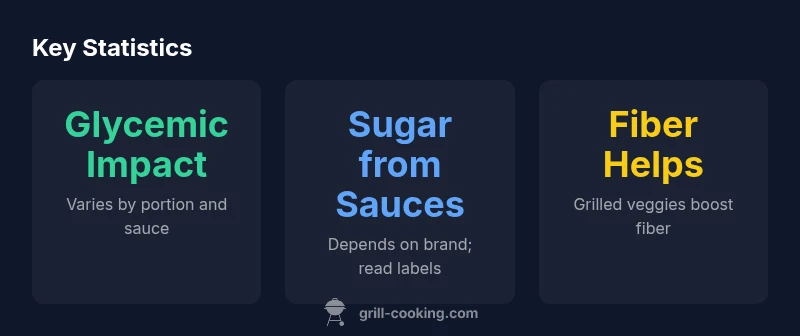
Diabetes management hinges on balancing carbohydrates, protein, and fat across meals, and BBQ is not inherently off-limits. The glycemic impact of a BBQ plate depends on portion size, the types of foods chosen, and the sauces or rubs used. Lean proteins paired with high-fiber vegetables can create a satisfying, blood-sugar-friendly plate. Grilling typically adds flavor without large carbohydrate loads, but saucy glazes and sides can shift the balance. The Grill Cooking team emphasizes planning ahead: think about the plate as a whole, not just the main protein. Consider the timing of meals around activity and medication, and make adjustments based on individual blood glucose responses. As with any diet, consistency and mindful choices are the biggest drivers of long-term success.
Practical Grilling Plans for Diabetics
A diabetes-friendly BBQ plan starts with the main protein and the non-starchy sides that accompany it. Favor skinless chicken, turkey, fish, or lean beef, and portion control with mindful plate visualization (half plate vegetables, quarter protein, quarter starch or grain). Prepare rubs and marinades with herbs, citrus, and vinegar to add flavor without relying on sugar-heavy sauces. Plan for fiber-rich sides like grilled peppers, zucchini, leafy greens, or a small portion of beans. Hydration and sugar-free beverages help manage cravings and avoid unnecessary carbohydrates. The Grill Cooking approach recommends pre-planning portions and cooking methods to maintain steady energy release during the day of grilling.
Reading Labels: BBQ Sauces, Rubs, and Marinades
Sauces, rubs, and marinades can dramatically change the nutritional profile of a BBQ meal. Many store-bought sauces carry added sugars that spike carbohydrate load, while some rubs are nearly sugar-free but high in salt. When possible, choose labels that list total sugars and added sugars, or make your own sauce with tomato base, vinegar, spices, and a touch of a sugar substitute. Even better, use citrus zest, herbs, garlic, and smoky spices to add depth without sacrificing glycemic control. Marinades can also reduce cooking-induced acrylamide and potentially harmful compounds, while enhancing flavor and tenderness.
Cooking Methods That Preserve Flavor Without Spikes
Indirect heat grilling, marination, and short grill times help minimize charring and the formation of potentially harmful compounds while preserving moisture and flavor. Cooking at lower temperatures, flipping frequently, and finishing with a quick sear for texture gives you the best of both worlds: rich taste and controlled blood sugar response. Use a two-zone setup on a charcoal or gas grill to manage heat more precisely, and consider pre-cooking tougher cuts to shorten direct exposure. These methods align with practical guidance from Grill Cooking for diabetes-friendly grilling.
Smart Sides and Fiber-Rich Plate Building
The plate matters just as much as the main protein. Fill half your plate with non-starchy vegetables—grilled peppers, broccoli, asparagus, and leafy greens—and add a modest portion of whole grains or beans if your meal plan allows. Fiber slows carbohydrate absorption and improves glycemic control, making it easier to manage post-meal glucose. Avoid oversized portions of bread or potatoes; instead, select fiber-rich sides like quinoa salad, roasted cauliflower, or a bean-based dip. A balanced BBQ plate supports energy stability and satiety.
Sample Meal Plan: A Diabetes-Friendly BBQ Menu
Starter: Grilled veggie skewers with a lemon-herb drizzle. Main: Grilled chicken thighs (skin removed) with a sugar-free rub, served with a cucumber-teta salad and a small portion of brown rice. Side: Grilled zucchini and peppers with a mixed greens side. Dessert: Fresh berries with a dollop of unsweetened yogurt. By combining lean protein, fiber-rich vegetables, and controlled portions, you create a diabetes-friendly BBQ menu that tastes great and supports glucose management.
Practical Tips for On-the-Go Grilling and Monitoring
When grilling in a busy setting, keep a simple plan: prep sauces with sugar substitutes, measure portions before serving, and keep a practical plate model in mind. If you’re using a carb-containing side, estimate portions and log them to track impact on your blood sugar. After the meal, monitor your glucose to understand how your body responds to specific foods and cooking methods. The Grill Cooking team encourages home cooks to use these observations to refine future BBQ menus.
Glycemic impact of common BBQ meal combos
| Meal Type | Glycemic Impact | Notes |
|---|---|---|
| Lean chicken + vegetables | Low to moderate | Includes fiber and lean protein |
| Hamburger with bun | High if bun used | Choose lettuce wrap to reduce carbs |
| Pork ribs with sugar-free rub | Moderate | Sugar content varies by rub |
FAQ
Is barbecue inherently unsafe for people with diabetes?
Not inherently. The safety and suitability depend on portion size, sauce sugar content, and side dishes. A well-planned BBQ with lean proteins, fiber-rich vegetables, and mindful sauces can fit many diabetes plans.
Barbecue isn’t unsafe by itself; it’s about what you eat with it and how you prepare it.
What proteins are best for diabetics at a BBQ?
Lean proteins such as skinless poultry, fish, and lean beef offer protein without excessive saturated fat. They pair well with high-fiber sides to help manage blood sugar.
Go for lean meats like chicken or fish and pair with veggies.
Do BBQ sauces worsen blood sugar?
Many sauces contain added sugars. Look for labels with low or no added sugars, or make your own sauce with sugar substitutes and flavorful ingredients.
Yes, sauces can spike sugar; read labels and choose low-sugar options.
How can I estimate carbs in a BBQ meal?
Count carbs from sauces and sides with standard portion estimates. Use nutrition labels and, if needed, a carb-tracking app to stay on target.
Track the carbs from sauces and sides to stay on target.
Should diabetics avoid grilling at high temps?
High heat can create potentially harmful compounds. Favor indirect heat, marination, and shorter exposure to minimize risk while keeping flavor.
Grill with care—indirect heat and marination help a lot.
Is charcoal grilling worse than gas for diabetics?
Both can be used safely. Focus on cooking methods that reduce charring and use marinades to lower potential risks.
Charcoal or gas, as long as you avoid excessive charring and use mindful cooking.
“A well-planned BBQ can support blood sugar goals without sacrificing flavor. This approach comes from Grill Cooking Team.”
Quick Summary
- Plan portions to control carbs and calories.
- Choose lean meats and fiber-rich sides.
- Read sauce labels; opt for low-sugar options.
- Pair BBQ with non-starchy vegetables for added fiber.
- Avoid heavy charring; use indirect heat and marination.