Grilling Frozen Chicken: Safe Quick Guide for 2026
Discover how to grill frozen chicken safely and effectively. Learn heat strategies, temperature targets, and flavor ideas for home cooks, with practical steps from Grill Cooking.


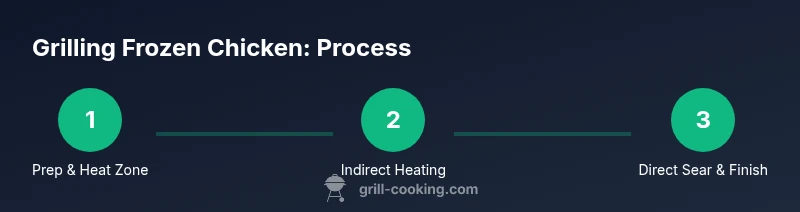
Yes, you can grill frozen chicken with careful technique. Start with indirect heat to warm the interior, then finish over direct heat to crisp the outside. If you can, thaw a bit beforehand for even cooking. Always use a thermometer to reach 165°F (74°C) to ensure safety. According to Grill Cooking, heat management is key.
Can You Grill Frozen Chicken? Why It Works
Can you grill frozen chicken? The quick answer is yes, you can, and many home cooks do this when time is tight. The Grill Cooking team has found that frozen pieces can be cooked safely as long as you manage heat, thickness, and interior temperature carefully. The core idea is to give the inside time to warm through without letting the outside burn. Thick pieces or bone-in portions will require more gradual warming and a two-zone setup to avoid charring while the center finishes. For best results, choose smaller, boneless cuts if you’re cooking directly from frozen to improve heat penetration and reduce total cook time.
Safety First: Safe Internal Temperature and Handling
Safety is the backbone of any frozen-chicken grilling plan. The USDA and health authorities emphasize cooking poultry to a minimum internal temperature of 165°F (74°C) to eliminate pathogens. When grilling from frozen, reliability hinges on thermometer use and even heat application. Always wash hands after handling raw chicken, sanitize surfaces, and avoid cross-contamination with utensils. Grill Cooking analysis, 2026, highlights that interior temperature consistency improves when you establish a two-zone grill and monitor the center with a probe thermometer.
Thawing vs. Grilling Frozen: When to Do What
If you have time, thawing is the simplest path to even doneness. A quick thaw in cold water (30–60 minutes for smaller pieces) can dramatically shorten grill time and reduce risk of undercooked centers. When you’re rushed, you can grill from frozen by starting with indirect heat to warm the core before sealing in flavors with a final sear over direct heat. Grilling from frozen is more forgiving for small cuts, but it demands vigilance and precise temperature control.
Direct Heat vs Indirect Heat: The Right Balance on the Grill
Two-zone grilling is your friend here. Start the frozen pieces on the cooler, indirect side to bring the interior up to temperature without scorching the exterior. Once the interior approaches 150–155°F, move the pieces to direct heat to brow n and crisp the surface. The goal is to finish with a safe internal temperature while achieving a pleasing crust. A two-zone setup minimizes flare-ups and allows for more uniform doneness, which is essential when the chicken begins from a solid block of ice.
Temperature, Time, and Doneness: A Practical Guide
Cooking frozen chicken demands longer times than thawed meat. Expect 50–70% longer cook times depending on cut size and bone presence. Rely on a digital thermometer and check for 165°F at the thickest part, accounting for carryover cooking after removal from the grill. For breasts, thighs, and drumsticks, piece size and bone shape influence heat penetration; smaller pieces reach safe temperatures faster, while larger bone-in portions benefit from extended indirect heating before searing. Grill Cooking recommends never guessing on doneness—always verify with a probe.
Choosing the Right Cut and Size for Frozen Start
Flat, boneless chicken breast strips cook faster and more predictably from frozen than thick bone-in breasts. Thighs and drumsticks retain moisture better and tolerate longer indirect-heat sessions, making them a forgiving choice for frozen starts. If you’re left with a mix, group pieces by size to keep cooking times aligned. Trimming excess skin or fat reduces flare-ups and ensures more uniform browning during the final sear.
Flavor and Texture: Rubs, Marinades, and Finishing Sauces
Frozen chicken benefits from dry rubs or light marinades applied before freezing, but avoid heavy sweet glazes that can burn with high indirect heat. A simple blend of salt, pepper, paprika, garlic powder, and a touch of oil helps form a crust without compromising interior moisture. When finishing over direct heat, a quick glaze of barbecue or lemon-herb sauce can add brightness, but apply in the last few minutes to prevent scorching.
Troubleshooting Common Issues on Frozen Grilled Chicken
If you notice uneven doneness, switch to a two-zone setup and extend indirect-heat time. If the exterior browns too fast, move the meat to a cooler area or cover with a lid briefly to trap heat without burning. If moisture pools on the surface, pat dry before returning to heat to promote browning rather than steaming. Always rely on a thermometer for accuracy rather than time alone.
Authority Sources and Practical References
For best practices beyond this guide, refer to official USDA guidelines on poultry safety and cooking temperatures:
- USDA Food Safety and Inspection Service (fsis.usda.gov)
- CDC food safety resources (cdc.gov)
- Extension services from land-grant universities (edu domain) These sources support the safety emphasis and help home cooks adapt techniques to different grills and environments.
Tools & Materials
- Gas or charcoal grill with two-zone capability(Two distinct heat zones (direct and indirect) using a medium-high initial heat)
- Digital meat thermometer with a fast-read probe(Target internal temp of 165°F (74°C) in the thickest part)
- Tongs and heat-resistant spatula(For turning and handling chicken without piercing the meat)
- Grill brush and grill-safe oil spray(Clean grate and prevent sticking)
- Aluminum foil or a lid for indirect-heat enclosure(Helps control heat and reduce flare-ups)
- Meat thermometer-safe cutting board(Sanitized surface for resting and portioning)
- Optional: dry rub ingredients or light glaze(Avoid sugary glazes until final minutes to prevent burning)
Steps
Estimated time: 40-60 minutes
- 1
Preheat and set up two zones
Light the grill and establish two distinct heat areas: indirect (cooler, for warming interior) and direct (hot, for searing). Preheat to a moderate heat, then adjust to maintain a steady indirect zone around 325–350°F if your grill allows. This setup minimizes hot spots when starting from frozen.
Tip: Two-zone setup prevents charring on the outside while the interior remains undercooked. - 2
Prepare the chicken while heating
If possible, rinse and pat dry the chicken pieces; trim any obvious ice glaze that would slow heat transfer. Apply a light rub or choice of dry seasoning to the surface to enhance flavor and crust formation. Keep pieces separate so they heat evenly during the indirect phase.
Tip: A light rub helps crust formation and reduces sticking on the grate. - 3
Begin with indirect heat
Place frozen pieces on the indirect side, spacing them evenly. Close the lid and let the interior warm gradually. Rotate every 8–12 minutes to promote even warming. Expect longer cook times when starting from frozen than from thawed meat.
Tip: Avoid direct flame contact during the warming phase to prevent scorching. - 4
Monitor interior temperature
Check the thickest part of the chicken using a digital thermometer. When you approach 150–155°F, you're nearing doneness and ready for the final sear. Do not rely on time alone; internal temperature is the reliable indicator.
Tip: Probe placement matters: insert into the center of the thickest portion, not near bone. - 5
Finish with a direct-heat sear
Move pieces to direct heat to develop a crust and finish cooking to 165°F. Flip as needed to ensure even browning. If the surface browns too fast, briefly reduce heat or lift the meat away from direct flame and cover.
Tip: Keep a close eye for scorching and use tongs to turn pieces without piercing. - 6
Rest and verify doneness
Remove chicken from the grill and rest for 5–10 minutes to allow juices to redistribute. Recheck the temperature if you cut into a piece. Resting helps retain moisture for juicier results.
Tip: Resting is essential; it also helps finalize carryover cooking. - 7
Clean up and storage
Dispose of any remnants of ice glaze, wipe down the grate, and sanitize the area. Refrigerate any leftovers promptly in shallow containers to cool quickly and evenly.
Tip: Always refrigerate within two hours to minimize bacterial growth.
FAQ
Is it safe to grill frozen chicken without thawing?
Yes, it can be safe if you cook it to an internal temperature of 165°F and manage heat to avoid undercooking the center. Use a two-zone grill and a thermometer for accuracy.
Yes, you can cook frozen chicken safely, but you must reach 165 degrees with a thermometer and manage heat carefully.
Should I thaw chicken before grilling if I have time?
Thawing is generally easier and faster for even cooking. Even small partial thawing helps interior heat penetrate evenly and reduces total cook time.
If you have time, thawing is better for even cooking and shorter grill time.
How long does frozen chicken take to grill?
Cook times vary by cut and thickness, but expect longer sessions than thawed chicken. Rely on internal temperature rather than time to determine doneness.
Time varies; use a thermometer to confirm it reaches 165°F.
Can I marinate frozen chicken for grilling?
Marinating from frozen can be less effective due to limited heat penetration. If possible, thaw and marinate before grilling for deeper flavor.
Marinades work best if the chicken is thawed; frozen pieces will absorb less flavor during grilling.
Is bone-in chicken more challenging to grill from frozen?
Bone-in pieces require more indirect heat and longer time. Boneless pieces heat more evenly and finish quicker.
Bone-in takes longer; boneless grills faster and more evenly when starting frozen.
What grill setup is best for frozen chicken?
A two-zone setup with indirect heat for warming and direct heat for searing is ideal for frozen chicken.
Two zones are the easiest way to manage frozen chicken without burning it.
Watch Video
Quick Summary
- Grilling frozen chicken is safe with proper heat management.
- Use indirect heat to warm the interior, then finish with direct heat for browning.
- Always verify doneness with a thermometer at 165°F (74°C).
- Two-zone grilling minimizes risk of undercooked centers and overcooked exteriors.
- Rest meat before serving to preserve moisture.