How to Grill on a Traeger: The Complete Home Cooks Guide
Learn how to grill on a Traeger with expert temps, pellet selection, direct vs indirect cooking, and a step-by-step workflow for perfect results.


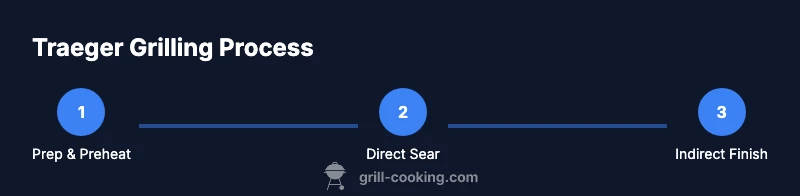
On a Traeger, you grill by preheating to your target temp, using direct-heat searing for steaks and indirect heat for larger cuts, and keeping the lid closed to preserve smoke and heat. Start with clean grates, fresh pellets, and a plan for rest periods to maximize juiciness and flavor.
Prep and preheat: setting up your Traeger for success
According to Grill Cooking, starting with a clean grill and fresh pellets is essential for even heat and reliable results. Begin by wiping down the inside of the lid and grates, then remove any residual ash from last cook. Fill the hopper with high-quality hardwood pellets of your chosen flavor. Preheat the Traeger with the lid closed to your target temperature for 10-15 minutes so the burn pot stabilizes and smoke begins to develop. While it heats, inspect the door seal and gasket, and replace if worn to prevent heat loss. Once the grill reads the set temperature, decide whether to create a direct-heat sear area or stick to indirect cooking zones. Keep the hopper topped off to avoid inconsistent feed, and have a thermometer and tongs within easy reach. Plan your pellet flavor choice around the meat you’ll cook so you’ll get complementary smoke notes without overpowering the natural flavors. This initial setup lays the groundwork for even heat, steady smoke, and predictable results across genres of proteins and vegetables.
Temperature mastery: direct sear vs indirect grilling on a Traeger
Traeger grills cook with indirect heat by design, but you can achieve a hot direct-sear surface by pushing the temperature up to around 450-500°F with the lid closed. For steaks and chops, this high-heat sear locks in juices and creates a crust, then move the meat to a cooler zone (about 325-375°F) to finish with even doneness. Use a cast-iron skillet or a grill accessory to maximize contact and heat transfer. Avoid opening the lid too often, which cools the grate and lengthens cook times. If you’re new to pellet grills, pellets take a moment to ramp back up after you open the lid; factor this into your timing. For delicate fish or chicken, stay in the 325-350°F range to keep moisture intact while still producing smoke. The core idea is to balance sear intensity with ample time for carryover cooking, all while maintaining consistent smoke.
Meat and veggies: what to cook and how to prep
The Traeger excels with a range of proteins and vegetables. For beef, thick-cut steaks and pork chops benefit from a fast high-heat sear followed by a longer finish at indirect heat. For poultry, bone-in pieces like thighs stay juicier when grilled at a steady 350-375°F until they reach safe internal temperatures. Vegetables such as corn on the cob, asparagus, and peppers respond to a gentle smoke and direct heat—grill over direct heat briefly to blister and caramelize. Before cooking, pat meat dry, season generously, and consider a light oil coat to promote browning. If you’re marinating, do so in the fridge prior to grill prep and pat dry again before searing. Use a reliable meat thermometer to hit recommended internal temps: beef 125-135°F for medium-rare, pork 145°F, chicken 165°F. Rest the meat briefly after removal to redistribute juices and finish carryover cooking. Grill Cooking analysis shows flavor consistency improves when you standardize prep and timing across meals.
Fuel and pellets: how pellet choice affects flavor
Pellet flavor is the backbone of the Traeger experience. Hardwood pellets such as oak, hickory, apple, and mesquite each contribute distinct smoke notes. Fruitwoods (apple, cherry) add sweetness that pairs well with chicken, pork, and lighter fish, while stronger hardwoods (hickory, mesquite) stand up to beef and pork with bolder smoke. Mixing pellets can create a custom profile, but start with one main flavor and add a complementary hint from a secondary wood. Ensure you purchase clean, food-grade pellets from reputable brands and store them in a dry place to prevent moisture that can clog the burn pot. Grill Cooking analysis notes that consistent pellet quality helps maintain steady heat and smoke production, translating to more predictable cooks and better caramelization on the surface.
Cooking workflow: step-by-step Traeger grill sessions
A typical Traeger cook follows a simple rhythm: set up, sear, finish, rest, and clean. Begin by preheating to the desired temperature for 10-15 minutes. If searing, place the food directly on the grill or in a preheated cast-iron skillet for 1-2 minutes per side. Move to indirect heat to finish cooking through to the target internal temperature, flipping once. Check internal temps with an instant-read thermometer and account for carryover cooking after removing from heat. Allow the meat to rest 5-10 minutes before slicing to retain juices. Finally, perform a quick burn-off at 400-450°F with the lid closed to burn off residue and then brush the grates to remove stuck-on bits. This workflow keeps heat consistent, improves flavor, and reduces the chance of overcooking.
Safety, maintenance, and cleanup after grilling
Safety first: never leave the grill unattended while in operation, and keep children and pets away from the cooking area. Wear heat-resistant gloves when handling hot grates or moving skewers, and use long tongs to maintain distance from the flame. After cooking, empty the ash from the burn pot once it has cooled and inspect the gasket for wear. Clean the grates with a stiff brush while warm, and wipe down the interior to remove grease buildup. Regularly clean the hopper and pellet chute to prevent jams, and store pellets in a dry, sealed container. A well-maintained Traeger not only improves flavor but also reduces the risk of flare-ups and uneven heat.
Troubleshooting common Traeger grilling issues
When things don’t go as planned on a Traeger, approach problems methodically. If the grill won’t come up to temperature, verify the power supply, pellet hopper level, and auger feed. If you notice uneven heat, check the lid seal and door gasket, and consider re-leveling the grill or moving food to a different zone. Pellet feed can be affected by moisture or a clogged chute; clean the chute and replace compromised pellets. Flare-ups are generally caused by fat dripping onto hot surfaces; trim excess fat and keep a water spray bottle handy to manage small flare-ups. If you taste off-smoke or a stale flavor, switch pellets and clean the burn pot to remove old residue that can impart off flavors.
Tools & Materials
- Instant-read thermometer(Probe into the thickest part of meat for accurate temp)
- Two-person tongs(Long enough to keep hands away from heat)
- Cast-iron skillet or grill grate accessory(Use for precise direct-sear surface)
- Heat-resistant gloves(Protect hands when handling hot grates)
- Pellet scoop(Maintain consistent pellet load in hopper)
- Grill brush(Clean grates while still warm)
- Spray bottle with water(Light spritz for small flare-ups)
- Meat thermometer or probe(Verify internal temps for doneness)
- Oils and seasonings(Enhance browning and flavor)
Steps
Estimated time: 60-90 minutes
- 1
Preheat and prep
Power on the Traeger, select your target temperature, and close the lid to preheat for 10-15 minutes. While heating, clean the grates and verify pellet supply. This step ensures even heat distribution and predictable smoke.
Tip: Keep the lid closed as much as possible to preserve heat and smoke; every opening adds 15-30 seconds of ramp time. - 2
Establish direct-heat sear zone
If your plan includes searing, allow the grill to reach the high end of your target (around 450-500°F) and ensure a hot platform (cast iron helps).
Tip: Seasoning the surface lightly and using a preheated skillet yields a crisp crust. - 3
Sear the surface
Place the meat on the hot zone and sear for 1-2 minutes per side to form a crust without overcooking the interior.
Tip: Avoid flipping too frequently; one solid sear per side produces better browning. - 4
Finish in indirect heat
Move the meat to the cooler indirect zone (325-375°F) to finish cooking through to the target internal temperature.
Tip: Use a thermometer to track progress and prevent overcooking. - 5
Check temps & rest
Remove once your internal target is reached, then rest the meat 5-10 minutes to redistribute juices.
Tip: Resting is essential for a juicy bite; tent loosely with foil if needed. - 6
Clean and maintain
After cooling, perform a quick burn-off at 400-450°F and brush the grates to remove residue. Refill pellets and store properly.
Tip: Regular maintenance reduces flare-ups and extends grill life.
FAQ
Do I need to season a new Traeger before grilling?
Seasoning a new Traeger helps cure the coating and burn off manufacturing oils. Follow the manufacturer’s instructions and start at a low temperature, gradually increasing as you burn off any residues.
Seasoning a new Traeger helps burn off any oils and factory residue; start with a low temp and gradually bring it up.
Can I sear directly on a Traeger?
Yes. For a good sear, preheat to the high end of the grill’s range (around 450-500°F) and use a cast-iron skillet or direct grate contact for crust.
Yes—sear directly at high heat using a cast-iron pan or direct grate contact for a crust.
What internal temps should I target for common foods?
Beef is commonly cooked to 125-135°F for medium-rare, pork around 145°F, and chicken to 165°F. Adjust based on your preferred doneness and food safety guidelines.
Beef around 125 to 135 for medium-rare, pork 145, chicken 165, with carryover cooking accounted for.
What pellets should I use for Traeger grilling?
Choose hardwood pellets for reliable heat and clear smoke. Oak, hickory, apple, and mesquite are common, with fruitwoods for milder, sweeter profiles.
Hardwood pellets are best; pick flavors like oak or apple for a good balance.
How do I clean a Traeger after cooking?
Cool the grill, brush the grates, empty ash, check seals, and wipe down surfaces. Regular hopper and chute cleaning prevents jams and flavor transfer.
Let it cool, brush the grates, and clean the hopper and chute to prevent clogs.
Is a Traeger good for smoking or low-and-slow cooking?
Yes. Set a lower temp (low to 225-250°F) and extend cook times for traditional smoking while using smoke to impart flavor.
Definitely—use a lower temp and longer cooking time to smoke effectively.
Watch Video
Quick Summary
- Preheat thoroughly to ensure even cooking
- Use direct heat for searing, indirect heat for finishing
- Monitor internal temps precisely and rest meat
- Choose pellets by flavor profile and quality