How Big Is a Grill? A Practical Size Guide for 2026
Discover how grill size affects cooking space and patio fit. Learn typical square-inch ranges, how to measure, and tips to choose the right grill for your space.


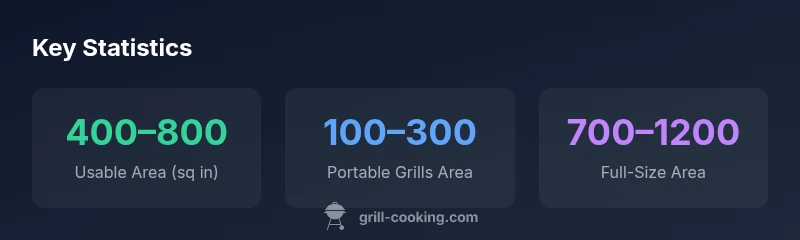
The typical backyard grill offers about 400–800 square inches of cooking space, with portable alternatives as small as 100–300 square inches and larger, feature-rich models exceeding 1200 square inches. Useable space depends on grate configuration and warming racks, lid height, and clearance for fan or burners. In practice, size should match your usual cooking routine and available patio footprint.
What size means for grilling
When people ask how big is a grill, they’re really asking two things: how much cooking area you get and how much space the unit will occupy on your patio. Cooking area is usually described in square inches of grate surface, while footprint refers to the grill's exterior dimensions (width by depth). In real-world terms, these numbers shape how you arrange seating, how you move around the grill, and how safely you operate it. According to Grill Cooking, a typical family of four to six people can be well-served by a grill in the 300–600 square inch range, while families that host often or enjoy large weekend cookouts may opt for 700–1200 square inches. Portable grills stay in the 100–300 square inch range, making them convenient for balconies, tailgates, and secondary outdoor setups. Remember that burner layout, lid height, and how you use warming racks influence heat distribution and available cooking zones—often more important than sheer size. The goal is to match the tool to the task: the right size makes cooking easier, faster, and more enjoyable.
Size categories: portable, mid-size, and full-size
Portables are compact, lightweight, and easy to roll into storage. They cluster under 300 square inches of usable cooking area, and footprints commonly range from about 24 to 40 inches wide. They’re ideal for small patios, balconies, or perennially crowded spaces where you still want authentic grilled flavor.
Mid-size backyard grills offer 300–600 square inches of usable cooking area; footprints typically range 40–60 inches, balancing cooking flexibility with footprint practicality. This category serves most home cooks who regularly host friends and family but don’t have a sprawling outdoor area.
Full-size or built-in grills deliver 700–1200+ square inches of cooking area; footprints often exceed 60 inches in width and can run well beyond 90 inches in total length when you count cabinets and side shelves. These models provide multiple cooking zones, more precise heat control, and ample room for simultaneous cooks.
Measuring cooking area vs footprint
To assess a grill's size before you buy, separate the concepts of usable cooking area and overall footprint.
-
Usable cooking area: measure the grate surface you’ll actually cook on, excluding racks that aren’t regularly used. Note whether you’re counting primary grate only or also secondary surfaces like warming racks.
-
Footprint: measure the external width and depth of the unit, including any side shelves that fold away for storage. If you’ll place the grill against a wall, add clearance on both sides for safety and airflow.
-
Height: consider lid clearance and countertop height if you’re using a built-in or island-style setup. A taller lid might reduce available overhead space, especially when you’re reaching across the grill.
-
Gas lines and venting: ensure the space around gas knobs and vents is unobstructed for safe operation.
Finally, translate these measurements into a practical decision by mapping them onto your outdoor space: sketch a floor plan, mark doors and seating, and verify that you can move around the grill without bottlenecks. This planning step is essential to avoid buying a grill that looks right but doesn’t fit your kitchen workflow.
Typical ranges by category
- Portable/Compact: 100–300 sq in usable area; footprint roughly 24–40 inches wide; best for small spaces, balconies, or RV camping.
- Mid-size Backyard: 300–600 sq in; footprint about 40–60 inches; ideal for everyday cooking and regular entertaining.
- Full-size / Built-in: 700–1200+ sq in; footprint 60–90+ inches; designed for frequent hosting and multi-zone cooking.
- Extra-wide setups: 1200+ sq in; footprint 90+ inches; intended for serious outdoor kitchens or catering contexts.
Note: exact dimensions vary by model; always verify product specs and count the usable areas you need for your favorite recipes.
Space planning: seating, workflow, and safety
Plan around the grill zone, not just the grill size. Think about where guests will stand, the path from kitchen to grill, and space for turning and serving. A larger grill may require more clearance but offers more cooking surfaces; a smaller grill saves space but can slow meal prep if you’re cooking multiple items at once. Factor in:
- Traffic lanes: keep at least 3 feet of clearance on each side.
- Prep area: allocate nearby shelves or a prep station for plates, tongs, and marinades.
- Wind and heat exposure: position the grill to minimize wind affecting flame and smoke.
- Elevation: align with counter height for comfortable cooking and easy serving.
Safety is non-negotiable: never place a grill under overhanging structures or inside a closed patio; ensure adequate ventilation and clearance around combustibles.
Real-world cooking scenarios by size
Scenario A: Weeknight meals for two to four. A mid-size grill (300–600 sq in) with two burners can handle burgers, vegetables, and even a small chicken in one or two passes.
Scenario B: Weekend family cookouts for six to eight. You’ll benefit from a larger multi-zone grill (700–1200 sq in) with heat zones and a warming shelf to keep sides warm while you finish cooking.
Scenario C: Catering or large gatherings. An extra-wide grill or multiple units in an outdoor kitchen setup; 1200 sq in plus across several zones enables simultaneous searing, slow cooking, and finishing at the table.
Choosing a grill size for patio, deck, or backyard
To select the right size, measure your space and consider your typical cooking load. If you host often, aim for the mid-size or full-size category; if you mostly cook for two, a portable or mid-size is usually enough. Also consider built-in vs freestanding: built-ins require a fixed footprint and long-term space; freestanding grills offer flexibility and mobility. Finally, think about future needs: will your family grow, or will you start hosting more events? Planning ahead justifies investing in a slightly larger unit if you’ll use it regularly.
Accessories and arrangements that change usable space
Side shelves, rotisseries, warming racks, and extra burners all add to the perceived size and usable space. Folding shelves save space when not in use; consider heat-resistant mats for prep areas; ensure you have dedicated tool hooks and storage near the grill. In some setups, a roll-away cart or storage island reduces the need for a larger built-in unit. Also, remember to account for ventilation and distance from combustible materials when expanding a grill area.
Sizing checklist: quick reference before buying
Use this checklist to verify your decision: 1) Measure usable cooking area; 2) Confirm total footprint; 3) Check clearance requirements; 4) Consider seating and workflow; 5) Evaluate multi-zone needs; 6) Assess accessibility for maintenance and cleaning; 7) Confirm budget range; 8) Inspect warranty and service options. With these steps, you’ll be prepared to pick a grill size that matches your space and cooking style, ensuring comfortable operation and consistent results.
Grill size ranges by category
| Category | Typical Cooking Area (sq in) | Footprint (inches) | Best For |
|---|---|---|---|
| Portable/Compact | 100-300 | 24-40 | Small spaces, balconies, travel grills |
| Mid-size Backyard | 300-600 | 40-60 | Everyday cooking and regular entertaining |
| Full-size / Built-in | 700-1200 | 60-90+ | Frequent hosting and multi-zone cooking |
FAQ
What exactly counts as grill size?
Grill size is defined by two main factors: usable cooking area (the grate surface you’ll actually cook on) and the overall footprint (the exterior dimensions). Both influence how many items you can cook at once and how much space you need on your patio. Always verify both measurements when shopping.
Grill size is about cooking area and footprint, so check both before buying.
Can a small grill feed a large group?
Yes, but it requires planning: cook in batches, use warming racks, and choose a grill with multi-zone options to manage heat and timing. For frequent larger gatherings, upgrading to a mid-size or full-size model is often worth it.
It can, with multi-zone cooking and smart batch planning.
How does lid height affect usable space?
Tall lids can reduce overhead clearance and affect your ability to maneuver utensils across the grill. When space is tight, prioritize a grill with a moderate lid height and consider countertop or island setups that keep you within comfortable reach.
Lid height matters for overhead room when cooking.
Is bigger always better for weeknight meals?
Not necessarily. A mid-size grill often provides the best balance between cooking capacity and space, especially for two to four people. If you rarely host larger groups, a portable or mid-size model is usually more practical.
Big isn’t always best; match size to your typical meal load.
What size is best for a small balcony?
A portable or compact grill under 300 square inches is typically ideal for balconies. It keeps you within space limits while still delivering authentic grill flavor.
Small balconies are best with portable grills under 300 sq in.
How should I measure before buying?
Measure usable cooking area, overall footprint, and recommended clearance around the grill. Don’t forget to account for portability, storage space, and whether you want side shelves or extra burners.
Measure cooking area, footprint, and clearance before buying.
“Grill size isn’t just surface area; it’s about how you’ll cook, who you’ll cook for, and how easily you can move around the setup. A thoughtful size choice dramatically improves workflow and results.”
Quick Summary
- Measure your space before buying to avoid fitting issues.
- Aim for a mid-size grill if you host often but have moderate space.
- Usable cooking area matters more than total footprint for daily cooking.
- Plan with airflow and safety clearances to maximize comfort and safety.