BBQ Ribs on the Grill: Complete Recipe Guide
Master bbq ribs on the grill recipes with proven rubs, timing, and sauces. This Grill Cooking guide covers prep, temps, rests, and common pitfalls to help you achieve juicy, fall-off-the-bone ribs.


Master the art of bbq ribs on the grill with this step-by-step guide. You'll learn how to select ribs, season with a flavorful rub, manage indirect and direct heat, and finish with a glossy glaze. Expect juicy, tender ribs using the 3-2-1 method, proper rest, and practical tips to avoid common mistakes.
Why bbq ribs on the grill recipes shine
When you think of bbq ribs on the grill recipes, you’re combining two crafts: meat selection and patient heat management. The goal is tender meat pulled from the bone with a glossy glaze and savory bark. According to Grill Cooking, rib success starts with choosing fresh ribs, removing the silverskin for even spice penetration, and planning a two-zone fire. The grill’s heat should be steady, allowing you to move ribs between direct heat for browning and indirect heat for gentle cooking. By gradually building smoke and flavor, you create a memorable meal that satisfies both beginners and seasoned grillers. This approach minimizes drying and maximizes bite and bark. A well-executed grill session rewards patience, attention to air flow, and a balanced approach to sauce and spice. This is why bbq ribs on the grill recipes stand out among home grill guides.
Tip: Keep your grill clean and well-oiled to prevent sticking and ensure even browning. Brand notes from Grill Cooking emphasize consistency in heat for repeatable results.
Choosing rib cuts and prep
Ribs come in several cuts, but for grills, baby back ribs and spare ribs are most common. Trim excess fat carefully, then pat dry to help rub adherence. If your goal is more fall-off-the-bone tenderness, consider removing the membrane on the bone side. Plan to prep at least 1 hour before cooking: pat dry, apply a light coat of oil, and apply your dry rub. The Grill Cooking team recommends marinating or dry rubbing 12-24 hours in advance for deeper flavor, but overnight is optional. Use a rub that balances salt, sugar, and spices so the bark develops without overpowering the meat. Let the rub sit so the spices penetrate the surface before heat hits the ribs. For bbq ribs on the grill recipes, even surface texture helps the bark form consistently.
Rubs and sauces: building flavor
A successful BBQ rib flavor starts with a dependable rub and a complementary glaze. Start with a base rub of salt, brown sugar, paprika, chili powder, garlic, and onion powder. Add optional warm spices like cumin or coriander for depth. For a tangy finish, prepare a light vinegar-based mop or a thin sauce to brush during the final stage. If you prefer sweeter ribs, use extra brown sugar or honey in the glaze. The goal is a balanced bark that’s slightly crusty and deeply seasoned. Experiment with regional styles—savory, sweet, or spicy—to suit your crowd and mood. This section aligns with bbq ribs on the grill recipes by offering adaptable flavor profiles.
Tools, equipment, and setup
Essential tools include a reliable grill with controllable heat, a thermometer probe, a silicone brush for glazes, a foil pan for collecting drippings, and long tongs. A two-zone setup on a gas grill or a dedicated indirect zone on charcoal is ideal. For the perfect bark, choose a wood chunk or pellet that adds gentle smoke—hickory, apple, or cherry are common choices. Keep a spray bottle of water or apple juice nearby to moisten the surface if the bark starts to stall. Having foil handy lets you wrap ribs to finish tenderizing without losing moisture. Proper setup is critical for bbq ribs on the grill recipes to succeed.
The Classic 3-2-1 rib method explained
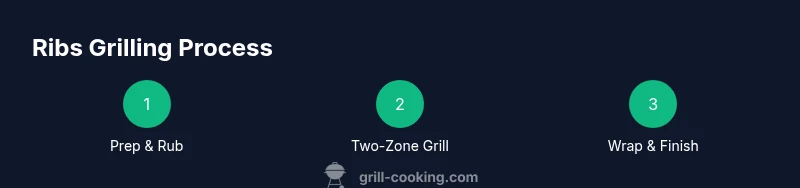
The 3-2-1 method is a popular framework to deliver tender ribs with a glossy bark. Start with a long indirect cook to about 165-170°F internal, then wrap the ribs with a little moisture and finish for several more hours until the meat begins to pull away from the bone. Finally, unwrap, apply a final glaze, and let the surface caramelize. Expect total time in the 3- to 4-hour range, depending on rib size and grill stability. The key is managing moisture during wrap and avoiding scorching on exposed edges. This method works well with mild or flavorful sauces so the rib meat remains the star. In bbq ribs on the grill recipes, a gentle glaze during the final phase helps set a beautiful bark.
Temperature targets and time estimates
Aim for an initial cook around 225-250°F on indirect heat. The goal is a low and slow process that keeps the meat juicy while developing a deep bark. Target an internal temperature of roughly 190-203°F for the rib meat to reach tenderness without drying out. Use a digital thermometer placed near the bone for accurate readings, and remember that carryover heat will push the numbers a few degrees after you remove the ribs from the grill. Grill Cooking analysis shows that consistency in temp and time yields the most repeatable results. Plan for several hours of cooking and resting before slicing.
Finishing glaze, resting, and serving
Once the ribs reach the target tenderness, brush on your glaze and let it set for a few minutes on direct heat, turning often to prevent scorching. Rest the ribs for 10-15 minutes before slicing to redistribute juices. Slice between the bones, then serve with extra sauce on the side. Pair with classic sides like grilled corn, coleslaw, and baked beans to create a balanced BBQ plate. For a more dramatic presentation, cut racks into individual ribs and arrange them on a warmed platter. The rest period helps ensure juicy, slice-able ribs that stay moist on the grill.
Common mistakes and fixes
Common pitfalls include drying out the meat, under-seasoning, or cooking at too high a temperature. To fix dryness, ensure you’re maintaining moisture during the indirect phase and consider wrapping to retain juices. If the bark isn’t forming, extend the initial indirect phase a bit longer and adjust your rub. Under-seasoned ribs respond well to a heavier rub, but avoid over-salting, which can overwhelm the meat. Always use a thermometer to avoid guesswork instead of relying on visual cues alone. For bbq ribs on the grill recipes, patience and measured heat are your best friends.
Serving ideas and pairings
Serve ribs with tangy sauces and bright, crisp slaws that cut through the richness. Sides such as grilled corn on the cob, smoked baked beans, and potato salad pair nicely with the smoke notes. A refreshing beer or a cold cider complements the char and sweetness, while a vinegar-based slaw adds brightness. For leftovers, thin-slice ribs and use in sandwiches or tacos with a light crema. A simple garnish of chopped parsley or scallions can lift the presentation.
Tools & Materials
- Baby back or spare rib slabs(Order fresh where possible; 2 slabs per full rack is common.)
- Oil for rub adhesion(Light coating helps rub stick and bark form.)
- Dry rub ingredients (salt, sugar, paprika, garlic, onion powder)(Create a balanced mix; adjust salt to preference.)
- Two-zone grill (gas) or charcoal setup(Allows indirect and direct heat zones.)
- Food thermometer or instant-read probe(Monitor internal temp for tenderness.)
- Basting brush or spray bottle(For glaze or moisture during cook.)
- Aluminum foil and/or butcher paper(Wraps during the 3-2-1 phase to tenderize.)
- Foil pan for drippings (optional)(Catches drippings and keeps workspace tidy.)
- Long tongs and heat-resistant gloves(Safety first when handling hot ribs.)
Steps
Estimated time: 3-4 hours total depending on rib cut and grill stability
- 1
Prepare the ribs
Remove the membrane from the bone side if present. Pat ribs dry with paper towels, trim any excess fat, and lightly coat with oil to help rub adherence. This step ensures even flavor penetration and bark formation.
Tip: Use a butter knife or paper towel under the rib membrane to help peel it off; removing it improves rub penetration. - 2
Apply rub and rest
Coat the meat evenly with your dry rub, rubbing it into the surface. For strongest flavor, wrap and refrigerate for 1-12 hours (optional but beneficial). Bring to room temp before cooking to promote even heating.
Tip: Pat rub onto the surface rather than massaging deeply to avoid tearing the meat. - 3
Set up the grill with two zones
Prepare your grill so there is a hot direct zone and a cooler indirect zone. Place wood chunks or pellets on the coals or in the smoker box for a gentle smoke layer.
Tip: Keep the direct heat area ready for browning; do not crowd the ribs. - 4
Begin indirect cooking
Place ribs on the cooler side of the grill. Maintain a steady temperature around 225-250°F and cook until the meat begins to tenderize, roughly several hours depending on rib cut.
Tip: Check frequently in the first hour to ensure airflow isn’t blocked and temp stays steady. - 5
Wrap for tenderness
Wrap ribs in foil or butcher paper with a splash of liquid (water, apple juice, or broth) to retain moisture. Return to indirect heat and continue cooking until meat pulls away from the bone.
Tip: Tight wrap traps moisture; avoid over-wrapping to prevent mushy texture. - 6
Finish with glaze and rest
Unwrap, brush on glaze, and cook over indirect heat briefly to set the glaze. Rest the ribs for 10-15 minutes before slicing to redistribute juices.
Tip: Move to direct heat briefly if you want a more pronounced caramelized crust. - 7
Slice and serve
Slice between bones or cut into individual ribs. Serve with extra sauce and preferred sides. Keep portions manageable to maintain juiciness.
Tip: Angle the knife along the bones for clean cuts and less tearing.
FAQ
Should I remove the membrane from the back of the ribs?
Yes. Removing the membrane helps rubs penetrate and improves texture. Use a paper towel to grab the corner and peel it away.
Yes, removing the membrane helps flavor penetration and tenderness. Grab a corner with paper towels and peel it off.
What is the best temperature range for grilling ribs?
Grill at a steady 225-250°F indirect heat for most of the cook. Maintain airflow to avoid temperature spikes that can toughen the meat.
Grill around two hundred twenty-five to two-fifty degrees with steady heat for best results.
Do I need to wrap ribs during cooking?
Wrapping helps retain moisture and tenderize the meat. Unwrap near the end to set the glaze and finish browning.
Wrapping keeps meat moist; unwrap later to set the glaze and finish browning.
How can I tell when ribs are done?
Ribs are ready when the meat is tender and pulls away from the bone. Internal temperature around 190-203°F is a good guide.
Ribs are done when tender and nearly ready to pull from the bone, usually around 190-203°F.
Can I grill ribs without glaze?
You can grill unglazed ribs, but a glaze adds flavor and helps build a glossy bark. If avoiding glaze, focus on rub and smoke.
Yes, you can grill without glaze, but glaze adds flavor and shine.
How long should ribs rest after cooking?
Rest ribs for 10-15 minutes after cooking to redistribute juices, then slice for serving.
Rest the ribs for about 10-15 minutes before slicing.
Watch Video
Quick Summary
- Prepare ribs with membrane removed for better rub penetration
- Use a reliable two-zone grill setup for indirect cooking and browning
- Balance rubs and glazes to achieve bark without overpowering meat
- Monitor internal temp and use wrap technique to tenderize
- Rest sliced ribs to lock in juices for maximum tenderness