How to Use Grill Rescue: A Step-by-Step Guide for Home Cooks
Learn the practical, safety-first approach to using grill rescue to revive a underperforming grill. This guide covers prep, diagnosis, cleaning, re-seasoning, and ongoing maintenance for even heat and reliable ignition in 2026.


With Grill Rescue, you’ll revive a clogged grill, restore airflow, and recover even heat. This guide walks you through safety checks, selecting the right rescue method, and a repeatable cleanup cycle that should leave your grates and burners performing like new. Before you start, gather basic tools and follow the step-by-step plan for a confident, safe recovery.
What is Grill Rescue and why it matters for home cooks
Grill rescue is a practical workflow for reviving a grill that isn’t performing up to expectations due to grease buildup, rust, clogged vents, or failed ignition parts. The goal is not to replace the entire grill but to restore airflow, even heat, and reliable ignition so you can cook with confidence. For home cooks, a well-executed rescue can save time, money, and frustration, turning a stubborn issue into a simple maintenance task. The process emphasizes safety first, careful diagnosis, and a repeatable method you can reuse as part of your regular grill care. Regular maintenance reduces the risk of flare-ups and inconsistent temperatures, which are the two main reasons people call a grill rescue in the first place. In this guide we’ll cover how to identify when rescue is needed, what tools and cleaners to use, and how to execute a safe, effective restoration. If you’re asking how use grill rescue in practice, the steps below walk you through the full process, from prep to test burn. According to Grill Cooking, a disciplined rescue workflow yields the best outcomes and helps you prolong the life of your grill. By the end, you’ll know how to assess, clean, re-season, and maintain your grill so it grills evenly again.
In this article we’ll address the exact problem you face when your grill isn’t performing. The phrase how use grill rescue is more than a catchphrase—it’s a strategy that combines safety, cleaning, and maintenance for long-term results. Throughout the guide, you’ll see practical tips, checklists, and process-oriented steps that you can apply to most gas, charcoal, or hybrid grills. The goal is not quick cosmetic fixes but lasting improvements that you can reproduce. The Grill Cooking team emphasizes a disciplined approach that minimizes risk while maximizing cooking performance and flavor consistency.
Safety first: assess the grill and decide on a rescue method
Safety is the foundation of every grill rescue. Before you touch burners, gas lines, or electrical components, power everything down and ensure the grill is completely cooled. If you’re using a gas grill, close the propane valve and disconnect the tank only if you have proper training and a safe workspace. For charcoal grills, wait until the coals are completely out and are cold enough to handle. Start by performing a quick external inspection for signs of damage, rust, gas leaks, or cracked hoses. Then decide the rescue method based on the symptoms: slow ignition or uneven flames may require burner inspection; heavy grease and crust may need a thorough degrease; corroded or damaged parts should be evaluated for replacement. If you see sparks, missing flames, or a dangerous gas smell, evacuate and call for professional support. This is where the slow, methodical approach saves lives and limbs while keeping the grill in service.
This is also a good moment to reflect on the phrase how use grill rescue as a practical plan rather than a one-off fix. The Grill Cooking Analysis, 2026, highlights that a structured safety-first protocol correlates with longer-lasting results and fewer follow-up rescues. Always wear eye protection and heat-resistant gloves when you begin examining hoses, vents, or burners. If you are uncertain about any step, pause and consult a professional before continuing.
Prepping your workspace and gathering the right tools
A clean, organized workspace makes any rescue safer and more efficient. Clear the area of flammables, lay out a drop cloth or sheet, and have a clear path to your sink or hose for rinsing. Prepare your tools before you begin: a grill brush, a stiff nylon scrub pad, a heat-resistant pair of gloves, a non-abrasive cleaner or dish soap, a spray bottle with water, mild degreaser if needed, and kitchen towels for drying and wiping. If you’re dealing with grease build-up, a degreasing cleaner helps break the bond between fat and metal, but you should always test cleaners on a small area first to avoid damage. Keep a metal tray or container to hold small screws or parts you remove so you don’t lose them. With the basics ready, you’re set to begin the rescue without scrambling mid-task. Remember: this step-by-step approach reduces risk and keeps your project on track. For reference, see the step-by-step section below for actions and times.
Diagnosing common symptoms and choosing a rescue approach
Grill symptoms vary, but most indicate one of a few root causes. Uneven heat and cold spots often point to clogged vents or dirty burners. Delayed ignition or misfiring can signal a faulty igniter, damaged spark module, or rusty burner ports. Excessive flare-ups usually mean grease buildup in the bottom tray or on burners. If your grill smells strongly of gas or you notice hissing at the connections, stop immediately and follow proper safety procedures. The rescue approach you choose should target the identified root cause: ventilation cleaning for airflow problems, thorough degreasing for grease-related issues, or replacement of a damaged component for reliability. As you decide, keep in mind the density of the buildup and the fragility of components; some parts require replacement rather than deep cleaning. Your goal is to re-establish safe, even heat without compromising the grill’s integrity. This planning phase is critical—taking a little extra time now pays off with a more successful rescue later.
Step-by-step rescue protocol: cleaning, rust removal, and reassembly
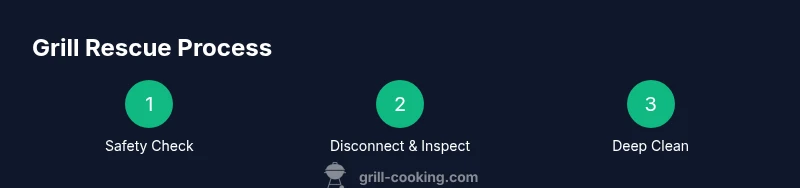
This section outlines a practical, repeatable sequence to revive a compromised grill. Step 1: Power down and ensure a cool workspace. Step 2: Remove grates and any obstructive components to access burners and vents. Step 3: Scrape loose grime with the grill brush and wipe down surfaces. Step 4: Apply a degreasing cleaner or dish soap solution; let dwell for 5–10 minutes to break down built-up fats. Step 5: Scrub with a stiff pad, rinse, and dry thoroughly. Step 6: Inspect burners, ignitor, and vents for signs of damage or clogging; replace any worn parts as needed. Step 7: Reassemble the components and apply a light coating of high-smoke-point oil to season the grates. Step 8: Perform a test burn, observe flame quality, and adjust air shutters and burners if needed. Pro tip: keep a log of any replacements and cleaning intervals to streamline future rescues. Waiting periods, especially after degreasing, ensure cleaners do their job and prevent surfaces from being re-contaminated during reassembly. This approach matches best practices for maintaining gas and charcoal grills alike.
Re-seasoning, testing, and adjusting heat after rescue
Re-seasoning is a simple but important step after a rescue. Wipe away any residue, apply a light coat of oil to the grate surfaces, and heat the grill to a high temperature for about 15–20 minutes. This creates a protective, nonstick layer on the grates and helps prevent rust in future sessions. Once cooled, perform a controlled burn to test heat distribution and airflow. Check for uniform flame, stable combustion, and even heat across the cooking surface. If you notice hot and cold zones, adjust the end vents, burner spacing, or air shutters according to your grill model. Keep in mind that re-seasoning improves performance and longevity, but it does not replace necessary mechanical maintenance. As Grill Cooking would affirm, consistent care is the backbone of any rescue strategy. Keep monitoring your grill over the next few cooks to confirm sustained improvements.
Maintenance plan to keep grills rescue-ready
To reduce the frequency of future rescues, adopt a regular maintenance plan. Clean grates after each use with a quick brush-down and wipe; perform a deeper clean monthly or after several heavy grilling sessions. Empty and clean the grease tray to avoid flare-ups, and inspect gas lines or hoses for wear. A breathable grill cover protects against rust and weather damage, extending the life of vulnerable components. Schedule a yearly professional inspection if you use the grill intensively or rely on it for frequent large gatherings. This ongoing care keeps your grill ready for a rescue at any time and reduces downtime. The goal is to keep your grill in good shape year-round, so you can focus on great flavors rather than repairs.
Common mistakes and how to avoid them
Common mistakes include skipping safety steps, using abrasive cleaners that damage finishes, and rushing through the rescue without inspecting critical parts like burners and igniters. Always verify gas is off and the area is cool before touching anything connected to the fuel source. Avoid metal brushes on porcelain-coated grates to prevent pitting; opt for softer pads or dedicated scrubbers. Don’t skip testing after reassembly; a quick test burn will reveal issues before you cook. Finally, never use water on hot gas lines or near live electrical components; this can cause dangerous steam and shocks. By avoiding these missteps, you’ll reduce the risk of injury and extend the life of your grill.
Tools & Materials
- Grill Rescue Brush(Brass or stainless bristles; use one compatible with grate material)
- Heat-resistant gloves(High heat protection; avoid loose sleeves)
- Non-abrasive cleaner or dish soap(Test on a small area first; avoid caustics on coated surfaces)
- Degreasing cleaner (optional)(Use sparingly and in well-ventilated areas)
- Stiff nylon scrub pad(Non-abrasive on chrome or porcelain-coated grates)
- Spray bottle with water(For rinsing and light lubrication testing)
- High smoke point oil (for seasoning)(Vegetable or canola oil works well)
- Soft towels or microfiber cloths(For drying and buffing surfaces)
Steps
Estimated time: Total time: 60-90 minutes
- 1
Do a safety check and disconnect power/gas
Power down the grill and ensure all parts have cooled completely. If using gas, close the valve and disconnect the tank only if you are trained and have a safe workspace. Verify there are no gas leaks or hissing sounds before you proceed.
Tip: Always start with safety; a rushed start leads to bigger problems later. - 2
Remove grates and obstructive components
Take off the cooking grates, warming racks, and any shields to access burners and venturis. Place removed parts in a labeled tray to prevent loss and mixups during reassembly.
Tip: Keep screws organized in a magnetic tray or labeled container. - 3
Initial clean and grease removal
Use the grill brush to knock loose debris, then wipe with a damp cloth. This reduces the amount of cleaner needed and helps prevent re-deposits on hot surfaces.
Tip: Work from the inside out to avoid pushing debris into clean zones. - 4
Apply cleaner and let dwell
Spray cleaner on the interior surfaces and burners, then let sit for 5–10 minutes to break down heavy grease. Avoid saturating ignition components.
Tip: Do not leave cleaners on high-heat areas for extended periods. - 5
Scrub, rinse, and dry thoroughly
Scrub with a stiff pad, rinse with a light spray of water, and dry completely before reassembly to prevent rust. Pay attention to burner ports and vent openings.
Tip: Keep a dry cloth handy to absorb moisture quickly. - 6
Inspect burners, igniter, and vents
Check for corrosion, clogs, or cracked ceramic parts. Replace damaged components as needed and ensure electrical connections are secure if applicable.
Tip: If you see any gas line damage, stop and consult a professional. - 7
Reassemble and season grates
Reattach components, wipe a light coat of oil on the grates, and prepare for a test burn. Seasoning helps create a protective nonstick layer.
Tip: Avoid heavy oil layers that can create excessive smoke. - 8
Run test burn and evaluate heat
Light the grill and allow it to preheat. Observe flame stability, even heat across the surface, and any abnormal noises. Adjust air vents if needed and confirm consistent performance.
Tip: If flames flicker in a specific area, recheck that burner and vent alignment.
FAQ
What is grill rescue?
Grill rescue is a practical workflow to revive a grill by cleaning, inspecting critical parts, and restoring airflow and heat. It focuses on safety and a repeatable process rather than replacing the grill. This approach helps extend the life of your grill and improve cooking performance.
Grill rescue is a practical cleanup and maintenance workflow to restore airflow, heat, and safety. It’s about reviving your grill with a repeatable process.
Do I need to disconnect gas before starting rescue?
Yes. Always turn off the gas supply and ensure the grill is cool before inspecting or removing any parts connected to fuel lines. If you smell gas or detect a leak, evacuate and seek professional help.
Yes, shut off the gas first and make sure everything is cool before you begin.
How often should I perform grill rescue?
Rescue frequency depends on usage and buildup. Plan for a thorough cleaning every few grilling sessions if you cook often, with a deeper rescue monthly or after several heavy cooks.
It depends on usage, but aim for a regular cleaning cadence—a light clean after each use and a deeper rescue monthly.
What tools are essential for grill rescue?
Key tools include a grill brush, heat-resistant gloves, degreasing cleaner, a stiff nylon scrub pad, towels, and a spray bottle. Having a small tray for parts helps keep the project organized.
Core tools are a brush, gloves, cleaner, scrub pad, towels, and a spray bottle.
Can I use household cleaners on stainless steel grates?
Some household cleaners are safe on stainless steel, but avoid acidic or abrasive products that can damage coatings. Always test on a small area first and rinse thoroughly.
Use mild cleaners and test a small spot first, then rinse well.
Is it safe to grill after rescue?
Yes, provided you’ve completed the rescue steps, performed a proper test burn, and verified there are no gas leaks. If anything seems off, pause cooking and reassess.
Safe to grill after a proper test and safety check. If anything looks wrong, stop and check again.
Watch Video
Quick Summary
- Assess safety before every rescue.
- Follow a repeatable rescue workflow for consistency.
- Season grates after cleaning to maintain nonstick surface.
- Maintain a regular cleaning schedule to reduce future rescues.