Grill Restoration: A Home Cooks Guide to Reviving Your Grill
Learn to revive your grill with a hands-on restoration plan—from assessment to finish. This step-by-step guide covers cleaning, rust treatment, parts replacement, and high-heat finishing to extend grill life.


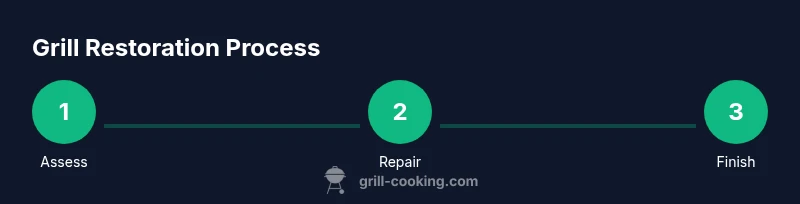
This guide walks you through grill restoration, helping you bring a tired grill back to prime performance and appearance. You’ll learn how to assess damage, clean aggressively but safely, replace or repair components, and finish with a durable, heat-safe coating. By following these steps, home cooks can save money and extend the life of their grill.
Understanding Grill Restoration: Why It's Worth It
According to Grill Cooking, grill restoration is a practical, cost-saving approach to bring a tired grill back to life without buying a new unit. Restoration focuses on extending the life of essential parts—grates, burners, lid, exterior enamel—while maintaining food-safety standards. A well-executed restoration doesn't merely improve looks; it enhances heat retention and cooking performance. This guide distinguishes restoration from a routine cleaning and explains when restoration makes the most sense: rusted grates, diminished heat, peeling enamel, or flaking paint. You’ll learn how quality restoration can save money, reduce waste, and keep beloved outdoor meals on track. By following a structured plan, you’ll know which components to replace, how to clean safely, and how to finish with durable, heat-safe coatings.
Assessing Your Grill's Condition
Begin with a candid evaluation of the grill’s condition. Inspect exterior enamel for rust or peeling; test lid seals for gaps; check grates for warping or heavy corrosion. Examine burners or briquette trays for clogs or uneven flames. Photograph each area to track progress and create a parts list. Classify components into three groups: keep, repair, replace. This upfront audit sets priorities, helps you budget, and prevents you from chasing repairs that aren’t cost-effective. A clear plan saves time and minimizes surprises during restoration.
Safety First: Prep and Safety Considerations
Safety is non-negotiable when restoring a grill. Ensure the gas is fully off and the line is depressurized before touching any parts. Work in a well-ventilated area away from open flames. Wear eye protection, gloves, and a respirator if using solvents or rust removers. Disconnect gas lines, unplug igniters, and remove the tank if applicable. Keep a fire extinguisher nearby and never mix cleaners near hot surfaces. Proper prep reduces risk and keeps the project safer than a typical cookout.
Cleaning Thoroughly: Degreasing, Soaking, Scrubbing
Start with a thorough degreasing of exterior and interior surfaces. Use warm water with a grill-safe degreaser, then scrub with a stiff brush. Soak metal grates in a mild cleaner bath to loosen baked-on residue. Rinse all parts and dry completely before reassembly. For porcelain enamel, avoid aggressive abrasive tools—opt for a plastic scraper or soft-bristle brush to prevent scratching. A meticulous cleaning baseline is essential for effective rust removal, coating adhesion, and accurate inspection later.
De-rusting and Inspecting Metal Surfaces
Rust removal should be mechanical first: scrub with a wire brush or sandpaper, then treat persistent spots with a rust converter. Wipe surfaces clean, dry them thoroughly, and inspect for pitting or holes. If metal is severely pitted, plan for part replacement rather than repainting. After rust treatment, apply a rust-inhibiting primer if you’re painting the exterior; this improves adhesion and longevity of the finish. Document any areas that remain fragile so you can decide whether to repair or replace.
Replacing or Repairing Components
Replace worn burners, igniters, and damaged grates as needed. If a burner tube is clogged or corroded, replace it rather than attempting a field-clean. For porcelain-coated grates, consider re-seasoning or replacing if the coating is peeling. Check heat plates or briquette trays for wear and replace as needed. Reassemble carefully and test with the gas off; verify flame stability before the next cook. Keeping an accurate parts list helps you budget and source correct replacements.
Repainting and Finishing: Prep, Paint, and Curing
Choose high-heat, outdoor-grade paint or enamel designed for grills. Prepare surfaces by smoothing rough spots and applying a compatible primer. Apply thin, even coats; allow proper curing time between coats and follow the manufacturer’s directions. Avoid painting burner boxes or surfaces that experience direct flame. Focus on exterior panels and the hood where heat exposure is milder. After the final cure, season the grates with a light oil coat before first use to promote a smooth, non-stick surface.
Routine Maintenance to Extend Grill Life
Adopt a simple maintenance routine: clean after each cook, cover the grill when not in use, and schedule a deeper restoration check at the start of each season. Keep a log of parts replaced, cleaners used, and any performance notes. Regular maintenance reduces rust buildup, keeps seals tight, and ensures safe operation. A small, consistent habit today prevents major overhauls tomorrow and keeps your grill ready for weekend feasts.
Troubleshooting Common Issues and When to Seek Help
If flames are uneven, check burner alignment and grate clearance; a gas smell means immediate shutdown and inspection. Uneven heat can stem from clogged burners, warped lids, or air leaks. If problems persist or gas lines seem suspect, contact a professional technician rather than risking a dangerous situation. For most home cooks, restoration improves reliability and cooking results, but serious safety concerns warrant expert assistance.
Tools & Materials
- Grill brush (sturdy steel or brass bristles)(For cleaning grates; avoid hard bristles on porcelain.)
- Non-abrasive scrub pads or plastic scrapers(Use on enamel/porcelain to prevent scratching.)
- Degreaser or dish soap(Choose grill-safe degreaser.)
- Warm water tray or bucket(For soaking grates.)
- Rust remover or rust converter (optional)(Only if rust remains after mechanical removal.)
- Wire wheel or sanding block(For rust and rough spots.)
- High-heat primer and enamel/paint(Use outdoor, heat-resistant coatings.)
- High-heat sealant or gasket maker(For replacement seals if needed.)
- Screwdrivers, pliers, and wrenches(For disassembly and reassembly.)
- Heat-resistant gloves and safety gear(Eye protection, respirator if using solvents.)
- Leak detector spray (for gas grills)(Test for leaks after reassembly.)
Steps
Estimated time: 4-6 hours
- 1
Inspect and document damage
Take photos of every area that needs work and note any rust, warping, or leaking seals. This baseline helps you decide which parts to repair or replace and keeps you organized as you progress.
Tip: Create a simple parts list from the photos to streamline sourcing. - 2
Disconnect gas and prep area
Shut off the gas supply, disconnect the hose, and move the grill to a well-ventilated workspace. This prevents accidental ignition during disassembly and cleaning.
Tip: Have a spill tray and rags ready for any residual liquids. - 3
Disassemble removable parts
Remove grates, burner caps, heat plates, and other removable components. Keep fasteners organized in labeled bags to ensure correct reassembly.
Tip: Take photos during disassembly if you’re unsure of part orientation. - 4
Clean surfaces thoroughly
Degrease exterior and interior surfaces, scrub away baked-on grime, and rinse. Dry completely to prevent flash rust before inspection.
Tip: Use plastic scrapers for porcelain surfaces to avoid scratches. - 5
Remove rust and assess metal
Mechanical rust removal comes first with a wire brush or sanding. If rust persists, consider converter treatment or replacement of the affected parts.
Tip: If pitting is severe, plan for replacement rather than repainting. - 6
Repair or replace components
Install new burners, igniters, or grates as needed. Ensure seals and gaskets are intact and correctly seated.
Tip: Test fit parts before final assembly to catch misalignments early. - 7
Prepare surfaces for paint
Lightly sand rough areas, remove dust, and apply a metal primer suitable for high-heat environments.
Tip: Mask areas you don’t want painted, like burner housings. - 8
Paint and cure
Apply thin coats of high-heat paint, allowing curing time between coats per product directions. Do not paint burner sections; focus on exterior surfaces.
Tip: After final cure, lightly season grates before cooking to prevent sticking. - 9
Season and test
Reassemble, reconnect gas, and perform a careful test burn to verify flame stability. If any odor or leak is detected, shut down and recheck connections.
Tip: Document test results for future maintenance.
FAQ
How long does grill restoration typically take?
Time varies with condition, but most projects take several hours from assessment to cure. Planning a weekend session helps manage tasks without rushing.
Most grill restorations take a few hours to a full weekend, depending on damage and parts availability.
Should I remove all rust before painting?
Yes. Mechanical removal should precede any primer. If rust remains, it can jeopardize adhesion and coating longevity.
Yes, remove as much rust as you can before painting for best results.
Can I repaint a grill that’s still functional?
Paint can be applied after disassembly and cooling. Do not coat burners or heat-exposed areas. Ensure components are dry and protected.
You can repaint after removing parts and ensuring everything is dry; avoid burners.
What safety gear do I need?
Goggles, gloves, and a respirator if using solvents. Ensure ventilation and keep a fire extinguisher handy.
Wear gloves, goggles, and a mask; work in a ventilated area and have a fire extinguisher nearby.
Are replacement parts always necessary?
Not always, but heavily corroded or warped parts should be replaced for safety and performance. Replacing worn parts is often more cost-effective than multiple repairs.
Sometimes replacement is the safest and most economical choice.
Is professional help required for gas grills?
If you smell gas, hear hissing, or suspect leaks, contact a professional. For non-emergency restorations, many homeowners can complete tasks safely with proper guidance.
If you suspect leaks, call a pro; otherwise, follow the guide for safe DIY restoration.
Watch Video
Quick Summary
- Assess condition thoroughly before starting.
- Prioritize safety and proper disassembly.
- Use heat-safe coatings and proper curing times.
- Document changes and maintain a maintenance log.
- Test thoroughly before returning to regular cooking.