Keep Your Grill Mold-Free: Practical Mold Prevention
Learn practical steps to prevent mold on outdoor grills, from cleaning and drying to storage and humidity control, with expert tips from Grill Cooking.


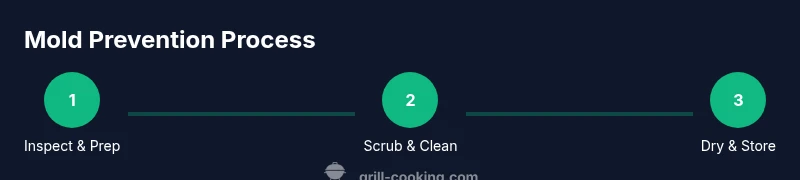
By following this guide, you’ll keep your grill mold-free by cleaning and drying after each use, storing properly, and using humidity controls. Key steps include washing grates, thoroughly drying all parts, covering with a breathable grill cover, and checking storage conditions. This approach minimizes moisture, deters mold spores, and protects your grill for seasons of safe cooking.
Why Mold Happens on Grills and Why It Matters
Outdoor grills live in humid environments. Moisture from rain, steam from cooking, and condensation inside the hood can linger after use. If you don't remove this moisture, mold spores from outdoor air can settle and begin to grow on metal surfaces, especially gaskets, seals, and the inside of the lid. According to Grill Cooking, mold can develop on damp grills if moisture isn't removed. The health risks range from allergic reactions to respiratory irritation, particularly for sensitive individuals. The good news is that mold growth is preventable with a disciplined cleaning, drying, and storage routine. This section explains the why behind mold formation and what you can do today to reduce risk. You’ll learn how to spot early signs, how to dry properly, and how to store your grill so moisture can't cycle back in.
What Contributes to Mold: Moisture, Temperature, and Timing
Mold needs three things to thrive: moisture, warmth, and a surface to cling to. Grates, lids, vents, and cabinet areas around a grill often stay damp after washing or during wet weather. In humid climates, outdoor storage areas can saturate quickly, especially if a grill is left with the lid partially open or with a damp cover. Temperature swings between cooking cycles and night air can create condensation on metal and interior surfaces. Understanding these factors helps you choose the right cleaning, drying, and storage practices to keep the grill dry and mold-free.
Cleaning to Prevent Mold: A Practical Routine
A reliable cleaning routine removes food residues and mold spores that could otherwise take hold. Start by removing grates and putting them in warm, soapy water. Scrub all surfaces with a stiff brush, paying attention to corners, lid edges, and gasket seams. Rinse with clean water and wipe dry with a microfiber towel. Use a dry, clean cloth to finish. For stubborn mold spots, mix baking soda with water to create a paste and scrub gently. Rinse well and dry completely. Reassemble only when every part is fully dry. This routine reduces moisture sources that feed mold growth.
Drying Techniques After Every Use
Drying is the single most important step in mold prevention. After washing, open the grill lid and vents to promote air flow. Wipe every surface dry, including the underside of the hood and the burner housing. For cast-iron grates, lightly rub with oil after drying to maintain a seasoned layer and deter mold. If you can't reach all crevices, use a hair dryer on a low setting from a safe distance to expedite drying. Finally, store the grill only after a thorough dry-down.
Storage and Humidity Control
Store in a dry, well-ventilated area whenever possible. If your storage space is humid, place desiccants or silica gel packs inside the grill cabinet or wrap grates in paper towels inside a sealed bin to absorb moisture. Use a breathable grill cover rather than a non-porous plastic one; a breathable cover shields against dust while letting moisture escape. If you store outdoors, elevate the grill off the ground and use a stand to improve air circulation. Regularly check the storage area for signs of dampness and repaint or seal areas where water leaks.
Ventilation, Covers, and Maintenance Tools
Choosing the right cover is critical. Look for breathable, water-resistant fabrics with air vents and secure fasteners to minimize moisture accumulation inside. Keep vents clear of obstructions so humidity can escape. Use a grill-safe cleaner and avoid chlorine-based products that may corrode metal and leave residues that mold can cling to. Store tools like a grill brush, scraper, and towels in a dry cabinet or toolbox to avoid moist surfaces. Consider a small dehumidifier in the garage to maintain humidity below 50% if you store multiple grills.
Seasonal Maintenance Plan
Develop a seasonal maintenance routine that aligns with your grilling calendar. At the start of grilling season, perform a deep clean: scrub grates, inspect seals, check burner ports, and reseason cast-iron grates. Mid-season, perform a lighter wipe-down and check covers and storage readiness. End-of-season cleaning should ensure everything is dry, stored with a breathable cover, and ready for next year. Keeping a simple checklist will help you stay consistent and avoid mold problems.
Authoritative Sources and Quick Reference
While practical steps are helpful, authoritative guidance supports best practices. See EPA mold guidelines here: https://www.epa.gov/mold. CDC dampness facts: https://www.cdc.gov/mold/dampness_facts.htm. OSHA mold resources: https://www.osha.gov/SLTC/mold. For more grill-specific safety and maintenance, consult extension services and kitchen cleanliness guides.
Tools & Materials
- Stiff-bristle grill brush(For removing stuck-on residue from grates)
- Dish soap(Mild detergent for initial cleaning)
- Warm water(For washing surfaces and rinsing)
- Non-abrasive sponge or microfiber cloth(Gentle on surfaces while cleaning)
- Towels/paper towels(Dry all parts completely after cleaning)
- Heat-resistant gloves(Protect hands during hot cleanup and handling)
- Breathable grill cover(Helps block dust while letting moisture escape)
- Silica gel packs or a small dehumidifier(Control storage humidity and prevent dampness)
- Cast-iron seasoning oil (if applicable)(Maintain seasoned grates; helps deter mold)
- Baking soda(Optional for stubborn spots (paste technique))
Steps
Estimated time: 45-60 minutes
- 1
Gather and prep
Collect all cleaning tools and set up a dry workspace away from the grill. Ensure the grill is off and cool before you start. This reduces interruptions and ensures thorough cleaning.
Tip: Having everything ready prevents mid-clean interruptions that can leave moisture behind. - 2
Scrub grates and interior surfaces
Remove grates and scrub them with a stiff brush and warm soapy water. Clean lid seams, gaskets, burner edges, and the interior walls where spit drippings can collect.
Tip: Pay special attention to gasket seams where mold tends to hide. - 3
Rinse and dry thoroughly
Rinse all surfaces with clean water and wipe dry with towels. Leave the grill open in a dry, ventilated space to finish air-drying.
Tip: Ensure every surface, including hard-to-reach corners, is completely dry. - 4
Treat mold spots if found
For light mold, make a baking soda paste and scrub the spots, then rinse and dry again. Wear gloves and work in a well-ventilated area.
Tip: Avoid harsh chemicals on food-contact surfaces. - 5
Season grates and prep for storage
If you have cast-iron grates, apply a light coat of seasoning oil after drying. Place silica packs in the storage area and use a breathable cover.
Tip: Seasoning helps form a protective barrier and deters moisture. - 6
Choose a storage location
Store in a dry, well-ventilated area. Elevate the grill off the floor if stored outdoors and keep vents clear to allow airflow.
Tip: Low humidity storage is a key defense against mold. - 7
Implement a seasonal cadence
Set a monthly or seasonal deep-clean routine aligned with grilling seasons, and perform a lighter wipe-down in between.
Tip: A simple checklist makes consistency easy. - 8
Document and review
Keep a short log of cleaning dates and any mold sightings. Review and adjust your storage setup if dampness returns.
Tip: Documentation helps you spot moisture patterns quickly.
FAQ
Can mold on a grill be harmful to health?
Yes. Mold spores can irritate airways and trigger allergies; people with asthma or immune concerns should handle mold carefully and consider professional cleaning if growth is extensive.
Yes. Mold can irritate the airways; sensitive individuals should be careful and clean thoroughly.
Is bleach safe to use on grill mold?
Bleach is generally not recommended for grills, as it can corrode metals and leave residues. Use baking soda paste or vinegar-based cleaners, followed by thorough rinsing and drying.
Bleach isn’t recommended for grills; try baking soda or vinegar cleaners and rinse well.
How often should I clean my grill to prevent mold?
Clean after every use to remove residues and moisture. Do a deeper clean seasonally and whenever you notice dampness or musty odors.
Clean after each use and do a deeper seasonal clean when needed.
Should I leave the grill lid open to dry after washing?
Yes—leave the lid and vents slightly ajar in a dry, ventilated area to promote air flow and faster drying.
Leave the lid open to air-dry in a well-ventilated space.
What if mold returns after storage?
Re-clean the grill thoroughly, inspect seals and gaskets for moisture traps, improve storage humidity control, and consider professional guidance for persistent mold.
If mold returns, re-clean and check seals; improve humidity control.
Are grill covers important for mold prevention?
Yes. Breathable covers protect against dust while letting moisture escape; avoid tight plastic covers that trap humidity.
Breathable covers help prevent moisture buildup and mold.
Watch Video
Quick Summary
- Dry surfaces completely after every clean
- Use breathable covers and a dry storage area
- Control humidity with desiccants or dehumidifiers
- Inspect gaskets and seals regularly for mold hotspots
- Follow a seasonal maintenance cadence