Can You Grill on Grass? Safe Setup and Tips
A practical guide on grilling on grass: feasibility, safety setup, recommended surfaces, and step-by-step procedures to prevent embers from damaging your lawn.


You can grill on grass, but only with proper setup: a heat-resistant surface, stable ground, and clear space from dry vegetation. Use a nonflammable pad or metal tray, maintain airflow, and keep the grill away from flammable materials. Follow these safety steps to minimize fire risk and protect your lawn.
Can you grill on grass? Safety and basics
When homeowners ask can grill go on grass, the answer is yes, but only with disciplined setup. Grass surfaces pose hidden risks: embers can ignite dry blades, uneven ground can tip a grill, and moisture can damage plating. Before you light up, commit to a plan that protects people, pets, and the lawn. The basics are simple: use a heat-proof barrier, position the grill away from flammable vegetation, and maintain good airflow. With these controls, grass grilling becomes a safe outdoor cooking option that fits a backyard picnic. Also, check local rules and fire danger ratings; windy days increase risk. Always have a plan to extinguish flames.
Why grass presents risks
Grass is not a guaranteed hard surface. Embers can leap onto dry blades, especially in windy weather. A grill placed directly on turf can tilt if the ground shifts, spilling hot fuel and causing burns. Moist soil or damp grass under the unit can trap heat and scorch the lawn, while heat radiance may damage nearby plants. In addition, lawn grass attracts curious pets and insects when a grill is hot. These factors make it essential to treat the lawn as a temporary cooking area with a dedicated staging zone and protective barriers.
Choosing the right surface
To minimize risk, pair grass with a heat-resistant barrier such as a metal grate, steel fireproof mat, or a purpose-built grilling pad. Place the barrier on firm, level ground first, then position the grill on top. Avoid placing grills directly on dry grass or soil. A stable surface ensures even heat distribution and reduces the chance of tipping. For charcoal grills, a metal tray beneath the grate can catch embers; for gas grills, a dedicated heat mat suffices as long as it covers a broad area and remains dry.
Equipment and setup checklist
Before you light the grill, gather required gear: a heat-proof surface (mat or tray), a sturdy grill on a level base, long-handled tools, protective gloves, a fire extinguisher or water source, and a means to manage hot coals (shovel or tongs). Clear a wide buffer zone around the grilling area, free from dry grass, leaves, and overhanging branches. Keep children and pets away during cooking, and ensure the wind direction won’t push embers toward structures or dry vegetation. This prep work pays off with safer grass grilling sessions.
Step-by-step setup overview
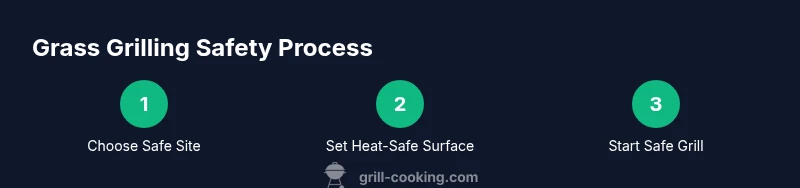
A confident grass grilling session begins with site selection, then transitions to barrier placement, grill setup, and a controlled preheat. From there, monitor heat and embers with a ready extinguisher at hand, maintain safe clearances, and finalize by shutting down properly. The process prioritizes stability, airflow, and proximity to nonflammable surfaces to prevent grass damage and fire spread. With consistent checks, can grill go on grass becomes a repeatable, safe practice.
Common mistakes and how to avoid them
Common errors include placing the grill directly on grass, using damaged heat mats, and ignoring wind conditions. Another frequent misstep is failing to establish a clean, fire-safe perimeter around the setup. Always verify the surface is dry and level, and never grill during high fire danger. Avoid overloading embers near dry leaves or long grass, and keep a plan for quick shutdown in case of flare-ups.
Cleaning up after grass grilling
Allow coals to cool completely in a fire-safe container before disposal. Move the grill to a paved or nongrass surface before cleaning to prevent heat damage to the lawn. Sweep or brush away ash and residue and inspect the heat barrier for wear. Store tools and safety gear in a dry place, and rinse any cleaning aids per manufacturer instructions. Proper cleanup protects your lawn and extends grill life.
Alternatives and safer options
If you’re uncertain about grass grilling, consider portable grill stands that elevate the cooking surface, or use an outdoor patio area with a dedicated grilling pad. A small, purpose-built grill cart can also provide stability and airflow while keeping heat away from grass. For frequent grilling, invest in a dedicated outdoor cooking space with a noncombustible base to reduce risk and improve performance.
Tools & Materials
- heat-proof grill pad or fireproof mat(at least as wide as the grill footprint)
- metal grill grate or grill tray(to elevate the grill and catch embers)
- long-handled tongs(2–3 feet length preferred)
- protective heat-resistant gloves(to handle hot components safely)
- fire extinguisher or a bucket of water(class A/B/C if available)
- shovel or dedicated ash tongs(for moving hot coals if needed)
- brush for grate cleaning(keep grill clean without scratching)
Steps
Estimated time: 20-40 minutes
- 1
Choose a safe site
Identify a flat, open area with no overhanging branches, dry grass, or structures nearby. Consider wind direction and ensure the area allows for a broad clearance zone. This reduces ember risk and makes movement around the grill safer.
Tip: Walk the area first to check for hidden hazards like dry piles or dry leaves. - 2
Place heat-safe surface
Set a heat-proof pad or metal tray on stable ground. The surface should extend beyond the grill footprint to catch stray embers. Avoid loose soil that could shift when you adjust the grill.
Tip: Use a level surface; a slight tilt can cause fuel to spill or the grill to tip. - 3
Set grill on pad
Position the grill squarely on the heat-safe surface. Check that wheels or legs are secure and won’t sink or wobble. Ensure the lid handles won’t contact dry grass.
Tip: Lock wheels if your grill has a wheel latch to prevent rolling during cooking. - 4
Check clearance and wind
Remove any nearby flammable items and verify a minimum buffer zone of open space around the grill. Take note of wind shifts; embers can travel in gusts, especially on grass.
Tip: If wind increases, pause cooking and adjust position. - 5
Preheat safely
Preheat the grill according to manufacturer instructions, with the lid closed if using a gas grill, and open only briefly to light if required. Maintain steady heat before adding food.
Tip: Keep hands away from vents and avoid leaning over the grill while lighting. - 6
Grill safely during cooking
Use long-handled tools, wear gloves, and keep a safe distance from grass and dry materials. Manage flare-ups by moving food away from direct heat and lowering the grill lid if applicable.
Tip: Have a spray bottle of water ready for gentle flare-ups; do not pour water on hot coals suddenly. - 7
Manage embers and heat
Constantly monitor for stray embers; never leave the grill unattended. If embers land on vegetation, thoroughly extinguish or move the surface.
Tip: Practice safe shutoff procedures so you can react quickly if flames rise. - 8
Shutdown and cleanup
Turn off the grill completely, close all vents, and allow it to cool on the heat-safe surface. Move the grill away from grass before cleaning and disposal of ashes.
Tip: Store safety gear within reach and inspect the heat barrier for damage after use.
FAQ
Is it safe to grill on grass?
Yes, but only with a heat-proof surface, level ground, and a clear safety perimeter. Do not grill directly on turf, and always have a plan to extinguish any embers.
Yes, you can grill on grass if you set up a heat-proof surface, ensure level ground, and keep a wide safety perimeter. Always be ready to extinguish embers.
What surface should I use for grass grilling?
Use a nonflammable pad, metal tray, or dedicated grill stand that sits on a solid base, away from grass. This protects the lawn and reduces tipping risk.
Use a nonflammable pad or metal tray on a solid base to protect the lawn and prevent tipping.
Can I grill on wet grass?
Grilling on wet grass is discouraged because moisture can damage the lawn and create slippery footing. Wait for the grass to dry or move to a dry surface.
Grill on dry ground; wet grass can be unsafe and harmful to your lawn.
Are gas grills safer on grass than charcoal grills?
Gas grills generally pose fewer flare-ups than charcoal, but both require careful setup, surface barriers, and good airflow to avoid grass damage and embers.
Gas grills often have fewer flare-ups, but both types need a heat-safe surface and good airflow.
How far should I keep the grill from structures?
Keep the grill at least several feet away from anything combustible, including siding, decks, and overhangs. Use common-sense distance and follow manufacturer guidelines.
Keep your grill well away from houses and decks, following the manufacturer’s distance guidelines.
Do I need a fire extinguisher when grilling on grass?
Yes. Have a fire extinguisher or water source nearby and know how to use it. Quick response can prevent grass ignition.
Always have a fire extinguisher or water on hand and know how to use it.
What should I do after finishing grilling on grass?
Extinguish all coals completely, move the grill to a nongrass surface, and clean the area. Check for lingering embers and dispose of ash safely.
Extinguish coals completely, move the grill, and clean the area after cooking.
Watch Video
Quick Summary
- Plan a safe grass grilling zone with a heat barrier.
- Use stable, nongrass surfaces to prevent tipping.
- Maintain clear space and monitor embers throughout cooking.
- Shutdown with full cool-down and clean-up.
- Consider safer outdoor options if conditions are risky.