Can You Take a Grill to the Beach? A Practical How-To
Learn whether you can bring a grill to the beach and how to grill safely with portable setups, permits, wind management, and cleanup best practices for a seaside cookout.


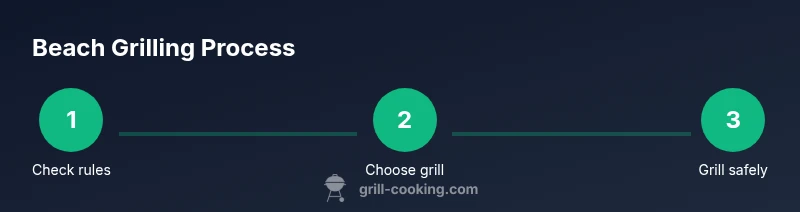
Yes, you can take a grill to the beach where local rules permit it, but you must plan for safety, wind, and fire restrictions. Choose a portable, sand-friendly setup, bring water and a metal extinguisher, and be prepared to clean thoroughly. Always check permits, hours, and coastal rules before grilling.
Understanding beach grilling rules
If you’re asking can you take grill to beach, the answer isn’t a simple yes or no; it depends on local rules and the right gear. Beach authorities set policies on fuel type, permits, and timing to protect people and wildlife. According to Grill Cooking Analysis, 2026, the safest approach is to verify rules with the park authority before packing your grill. Some beaches allow portable gas or electric setups while banning charcoal—especially on windy days or in sensitive dune ecosystems. When grilling is permitted, follow these common guidelines: place the grill on a stable, non-flammable surface away from dry grasses and structures, keep children and pets at a safe distance, and never leave the unit unattended while lit. Also confirm whether charcoal restrictions apply during fire danger seasons. If permission isn’t granted, consider a beach-friendly picnic or a portable stove that uses clean fuel. The overall principle is respect for rules, safety, and the coastline. Grill Cooking’s practical, safety-focused guidance helps readers grill responsibly by the water while protecting the environment.
Choosing the right grill for sand
Sand is not a forgiving surface for heavy equipment. The best beach grill setups are lightweight, stable on uneven ground, and designed to minimize hot spots and ash spill. For windy coastal environments, wind guards and raised legs help maintain steady heat and reduce smoke blowing toward you and other beachgoers. If you’re car camping near the shore, a compact propane grill or a small electric grill on a sturdy, heat-resistant mat is easier to manage than a large charcoal unit. Always verify that your chosen grill is rated for outdoor use and that fuel canisters are stored upright and away from direct sunlight. Grill Cooking emphasizes a simple rule: pick portability, safety, and environmental responsibility over sheer cooking power.
Planning your beach grilling session: permits, hours, and etiquette
Planning ahead is the difference between a smooth cookout and a disruption. Start by checking municipal and park service websites for permit requirements, fire restrictions, and hours of operation. Some beaches require a permit for any flame device, while others designate specific barbecue zones. Always observe posted quiet hours, pet rules, and fishing or wildlife protections. Never grill in areas with dry vegetation or above timber fences, and ensure you maintain at least a 10-foot clearance from tents, vehicles, and trash bins. Etiquette plays a big role: respect other visitors, keep noise down, and avoid blocking access paths. Grill Cooking notes that a quick call to the local park office can prevent a trip run-around and ensure your plan aligns with current safety standards.
Transporting, setup, and stable placement on sand
Transporting a grill to a beach requires planning. Use a sturdy cooler or trolley to move fuel and tools, and bring a portable ground mat to prevent sinking into soft sand. Set the grill on a dry, flat surface away from waterlines and overhead hazards like low-hanging branches. If you expect soft sand, consider elevating the grill with wide, purpose-made feet or a sand-safe base. Tie-downs or bungee cords can stabilize a wind-prone setup; however, never obstruct walkways or lifeguard stations. Before lighting, clear a 6–12 inch radius around the unit of debris and flammable materials. By staying proactive about placement, you reduce the risk of tipping, embers drifting, and accidental fires.
Cooking safety and food handling on the beach
Beach cooking demands extra vigilance around wind and crowds. Preheat in short bursts to prevent overheating on hot sand, then monitor temperatures with a reliable thermometer. Keep raw and cooked foods separate and bring sealed containers for cold storage and hygiene. Use long-handled tools to avoid heat exposure, and wear heat-resistant gloves when adjusting vents or handling hot grates. If smoke drifts toward others, adjust the grill orientation or use a windbreak to direct smoke away from people’s eyes and faces. Always have a working fire extinguisher or a bucket of water/sand nearby to manage flare-ups quickly.
Cleanup, fire safety, and leaving no trace
The final step is cleanup and accountability. Extinguish flames completely, usually by closing fuel valves and dousing embers with water or sand until cool to the touch. Do not dispose of ashes in regular trash while still warm; pack them out in a sealed bag if local regulations allow. Wipe down equipment to reduce sand carryover, and use a dedicated trash bag for all waste. Leave the site as clean or cleaner than you found it, and take photos if you need to reference where you grilled. Respectful cleanup preserves access for future beachgoers and aligns with Grill Cooking’s commitment to responsible seaside cooking.
Tools & Materials
- Portable grill(Compact size, stable legs suitable for sand)
- Fuel or heat source(Propane canisters for gas grill or charcoal briquettes; ensure safe handling)
- Lighter or fire starter(Windproof option recommended; keep away from children)
- Long-handled tongs(For safe flipping and shifting of meat away from heat)
- Heat-resistant gloves( protects hands during handling of hot surfaces)
- Water bucket or sand for extinguishing(Quick access to douse flare-ups and cool embers)
- Windbreak or shade cover(Optional but helpful in gusty conditions)
- Trash bags(Pack out all waste; handle charcoal ashes per local rules)
- Grill scraper(Helpful for post-cook cleanup)
Steps
Estimated time: Total: 1.5-3 hours
- 1
Check local rules and etiquette
Call or check the beach management site to confirm whether grills are allowed. Note any restrictions on charcoal or wind risk days, and identify a designated grilling area if required. This step prevents delays and fines.
Tip: Always have a backup plan (e.g., a portable stove) in case grilling is restricted. - 2
Select the right grill and fuel
Choose a lightweight, wind-resistant grill with stable legs. For windy beaches, propane or electric models are easier to manage than charcoal. Bring only the fuel you’ll actually use and store it safely.
Tip: Test the grill at home first to ensure stable operation on uneven surfaces. - 3
Prepare transport and stability
Pack gear on a stable cart or tote. Lay a heat-resistant mat on the sand, then position the grill away from waterlines and play areas. Secure with a windbreak if wind is a factor.
Tip: Place the grill on the mat and keep a clear 6–12 inch radius for safety. - 4
Start safely and monitor wind
Open vents away from dry vegetation, ignite fuel, and keep children and pets at a safe distance. Watch wind direction to minimize smoke in faces. Have a fire extinguisher or water/ sand ready.
Tip: Never leave the grill unattended while lit. - 5
Cook with food safety in mind
Separate raw and cooked foods, use a thermometer, and avoid cross-contamination. Keep foods chilled until cooking and maintain clean hands and surfaces.
Tip: Carry a small cooler and separate containers for raw vs cooked items. - 6
Cleanup and extinguish completely
Shut off fuel, douse embers until cold, and pack out all waste. Clean the grill surface to remove sand and residues. Leave no trace for others to enjoy the beach.
Tip: Keep a photo checklist to verify you didn’t leave debris behind.
FAQ
Is it legal to bring a grill to most beaches?
Legality varies by location. Some beaches allow portable grills with restrictions; others ban flames entirely during certain seasons. Always verify with local authorities before planning your cookout.
Check with park authorities for the current rules before grilling at the beach.
What type of grill is best for sand?
Propane or electric grills are typically easier to manage on sand due to steadier heat and reduced smoke. Charcoal can work if conditions are favorable and fire risk is low, but it requires more setup and cleanup.
Propane is usually easiest on windy beaches, but always follow local rules.
What safety gear should I bring?
Bring heat-resistant gloves, long tongs, a fire extinguisher or bucket of water/sand, and a thermometer for safe cooking temperatures. Keep children and pets at a safe distance.
Have gloves and water ready for emergencies.
Can I grill on dunes or near vegetation?
Grilling on dunes or near vegetation is often restricted due to fire risk. Always follow posted rules and avoid dry, grassy areas.
Avoid grilling on dry dunes; follow posted rules.
How do I extinguish coals and clean up?
Shut off the fuel, douse embers with water or sand until cold, and pack out all waste. Clean surfaces and leave no trace for others.
Cool embers completely before disposal.
What about wind and smoke?
Wind shifts can blow smoke toward others. Position the grill to minimize smoke in faces and consider a windbreak. Be mindful of nearby spectators.
Watch wind direction to minimize smoke exposure.
Watch Video
Quick Summary
- Verify local rules before bringing a grill to the beach.
- Choose a portable, sand-friendly setup with safety features.
- Position on stable ground and manage wind to reduce smoke hazards.
- Practice strict food safety and cleanup to protect the environment.
- Leave the beach cleaner than you found it.