Whole Grilled Onion for In-N-Out Style Burgers
Learn to grill a whole onion for a smoky, sweet topping on In-N-Out style burgers. This expert guide covers prep, two-zone heat, flavor variations, and practical tips for home cooks.


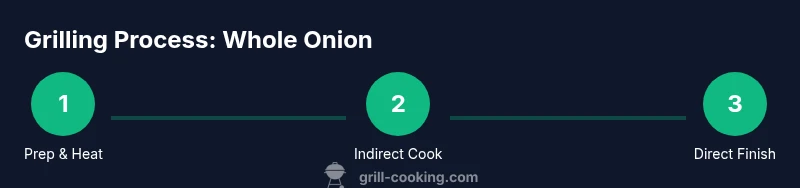
Grill a whole onion until tender and caramelized, then slice for a melt-in topping on In-N-Out style burgers. Use a two-zone setup: indirect heat first to soften, then a quick direct sear to develop color. Prep with oil, salt, and light seasoning; finish with rest before serving.
Why this topping matters for burgers
A whole grilled onion adds aLayer of sweetness and a smoky edge that pairs perfectly with beef, buns, and tangy sauces. Caramelization brings out natural sugars, creating a soft, jammy interior with a lightly charred exterior. For home cooks aiming for a restaurant-like bite on a home grill, a properly grilled onion becomes a unifying topping, not merely a garnish. In-N-Out style burgers benefit from a simple, bold onion profile that complements beef and cheese without overpowering other toppings. According to Grill Cooking, controlling carryover heat and moisture retention is key: the goal is a tender center with a gentle crust, achieved best when the onion is grilled in two stages—gentle indirect heat followed by a quick direct sear. This method yields a flavorful, burger-friendly onion that travels well from grill to bun. The Grill Cooking team emphasizes that practice with heat zoning to dial in tenderness and color, so you can reproduce consistent results across different grill setups.
Onion selection and prepping for grilling
Choose a large, firm yellow or white onion with a dense, even globe. Avoid bulbs that are soft or sprouting. Peel away the papery layers and trim the root end, but keep the core intact to help the onion hold together during roasting. If you want a milder bite, rinse or soak peeled onions in cold water for 5–10 minutes to reduce sharpness; then pat completely dry. Globe onions cook evenly and soften well when grilled whole, while sweeter varieties like Vidalia can yield more sugar and deeper caramelization. Regardless of variety, pat the onion dry and lightly coat with oil to prevent sticking and promote browning. A well-chosen onion should feel heavy for its size, indicating moisture and density that will translate into a juicy interior after heat.
Heat zones and timing for whole onion
Two-zone grilling is ideal: indirect heat to soften the onion and direct heat for a quick caramelized crust. Preheat the grill to about 350–375°F on the indirect side. Place the onion on a foil-lined tray or directly on the grate, covered loosely with foil to trap steam. Rotate occasionally for even cooking and to avoid hot spots. If using charcoal, arrange coals to create a ring of high heat around a cooler center. Plan for 15–20 minutes of indirect cooking, then 3–6 minutes over direct heat to develop color. Total time varies with onion size and grill temperature; aim for tenderness comparable to roasted vegetables, not a crunchy bite. If browning too quickly, move the onion away from direct heat or shield with foil to finish through carryover heat.
Flavoring and seasoning options
Salt is essential for flavor; season early to help draw out moisture but avoid over-salting since toppings will accompany other salty components. Brush on a light layer of oil to encourage browning. For extra depth, add a touch of black pepper, smoked paprika, garlic powder, or a trace of brown sugar to promote caramelization. A small dab of compound butter after grilling adds richness. To evoke an In-N-Out vibe, consider a light spread of smoky mayo or a classic burger sauce alongside the grilled onion. The onion’s natural sweetness pairs well with tangy sauces, dill pickles, and a simple cheese melt. If you want a glaze, whisk soy sauce and honey and brush on in the final minute—just enough to glaze without overpowering the onion’s flavor. Remember that moisture content varies by onion variety, so adjust heat to maintain even browning without steaming the interior.
Step-by-step grilling method overview
This section translates the approach into a repeatable workflow. Step 1: Prep the onion (see Block 2). Step 2: Establish two heat zones on the grill. Step 3: Place the onion on indirect heat and cover; check after 7–8 minutes. Step 4: Rotate 90 degrees for even browning. Step 5: Move to direct heat for 2–4 minutes to develop a light char. Step 6: Remove, rest 3–5 minutes, then slice into wedges or rings. Step 7: Layer on the burger just before serving. The aim is tender interior with a caramelized exterior that holds sauces well. If you want more smoke, add wood chips or a smoker box for a subtle enhancement. The two-zone approach minimizes risk of a raw center while maximizing flavor.
Troubleshooting heat and texture
If the onion turns mushy, reduce cooking time on indirect heat or remove it earlier to avoid over-softening. Uneven browning usually means the grill has hot spots; rotate more often or adjust the grate height. If there’s less moisture than desired, extend indirect time slightly or cover briefly to retain steam. Always take care handling hot onions—use tongs and heat-resistant gloves when flipping or lifting foil. For safety, be mindful of flare-ups caused by drips and keep a spray bottle handy for quick control. Two-zone grilling helps mitigate these risks by separating softening processes from high-heat caramelization.
Serving ideas and variations
Serve the grilled onion on the burger bun with melted cheese, crisp lettuce, tomato, and your favorite sauce. The sweet, smoky onion pairs well with cheddar, American, or pepper jack and complements tangy mayo or ketchup-based sauces. For a classic In-N-Out homage, layer the onion with pickle, lettuce, tomato, and a thin cheese slice—close the bun and let the heat from the patty melt the cheese over the onion. You can also serve the onion as a side topping for veggie burgers or grilled chicken, then drizzle a simple herb vinaigrette to brighten the plate. Grill Cooking’s approach encourages exploring different onion varieties and seasonings to tailor sweetness and texture to your taste. A well-prepared whole grilled onion elevates burgers by introducing depth without adding extra fat.
Final thoughts: making a whole grilled onion a reliable burger topping
A well-executed whole grilled onion can elevate any burger, from a light turkey patty to a hearty beef smash. It’s adaptable, forgiving with a two-zone setup, and scalable for guests. The key is consistent heat management, mindful prep, and a willingness to experiment with seasonings and sauces. Try different onions—yellow, white, or sweet varieties—to vary sweetness; adjust indirect heat duration to control tenderness; and use a finishing glaze sparingly to keep the onion's natural flavor at the forefront. Grill Cooking recommends practicing this technique across different grill types to understand how each influences caramelization and moisture. With practice, a single onion becomes a reliable, flavorful topping that can transform weeknight burgers into memorable meals.
Tools & Materials
- Whole onion (yellow or white, medium-large)(Choose a firm bulb for even cooking (4-6 cm diameter).)
- Olive oil or neutral oil(Light coating helps browning and prevents sticking.)
- Grill-safe foil or foil tray(Used to trap steam if desired.)
- Tongs(For safe turning and handling.)
- Sharp knife(Peel and trim, and optionally core lightly.)
- Grill grate or cast-iron skillet (optional)(Extra control for direct heat finish.)
- Seasonings (salt, pepper, optional smoked paprika, garlic powder)(Use to taste based on desired flavor profile.)
Steps
Estimated time: Total time: 25-40 minutes
- 1
Set up two heat zones
Preheat your grill to create a cooler indirect zone and a hotter direct zone. This two-zone setup helps soften the onion first and then caramelize its exterior without burning the interior.
Tip: If using a kettle grill, push coals to one side for the indirect zone. - 2
Prepare the onion
Peel and trim the onion, keeping the core intact to help hold shape. Lightly oil the surface to encourage browning and prevent sticking.
Tip: Dry the surface well to promote even browning. - 3
Place on indirect heat
Set the onion on the indirect side, lid closed, and let it soften for 7–9 minutes. Rotate halfway through for even cooking.
Tip: Watch for a soft texture rather than a collapsed center. - 4
Rotate to ensure even browning
Turn the onion a quarter turn every few minutes to promote uniform caramelization on all sides.
Tip: Small adjustments prevent hot spots from burning edges. - 5
Finish with direct heat to char
Move the onion to direct heat for 2–4 minutes to develop a light char and intensify sweetness.
Tip: Keep a close eye to avoid scorching. - 6
Rest, then slice
Let the onion rest 3–5 minutes, then slice into wedges or rings for easy topping on burgers.
Tip: Resting helps retain moisture inside the layers.
FAQ
Should I peel the onion before grilling a whole onion?
Yes. Peel away the papery skin and trim the roots. Leaving a thin outer layer can help hold the onion together, but the inner layers will caramelize more evenly without the dry skin burning.
Yes, peel the onion and trim the root for even cooking.
Can I core the onion to reduce size and ensure even cooking?
You can lightly core the onion to help even cooking, but keep enough of the core to maintain structure. Fully hollowing can lead to collapse and unstable slices.
Lightly core for shape, but keep some core for stability.
What onion varieties work best for grilling whole?
Yellow and white onions are reliable; sweet onions like Vidalia provide more sugar for caramelization. Each variety yields a slightly different sweetness and texture when grilled.
Yellow and white onions work well; sweet onions caramelize more.
How long should I grill a whole onion?
Indirect heat should soften the onion for about 7–9 minutes, followed by 2–4 minutes on direct heat to develop color. Times vary with onion size and grill temperature.
Softify on indirect heat, then a short direct heat finish.
Can I grill onions directly on the grill grate without foil?
Yes, but use a well-oiled grate and monitor closely to prevent sticking or burning. Indirect heat remains helpful to avoid scorching.
You can grill directly, but monitor closely so it doesn’t burn.
What toppings pair best with a whole grilled onion on burgers?
Bright, tangy sauces, crisp lettuce, tomato, pickles, and melted cheese complement the onion’s sweetness. Avoid overpowering sauces that mask the onion's flavor.
Pair with tangy sauces, cheese, and fresh toppings to balance sweetness.
Watch Video
Quick Summary
- Grill two heat zones for even cooking
- Two-zone method prevents raw centers
- Caramelization enhances sweetness and color
- Season lightly to let onion shine
- Rest before slicing for juicier results