How to Grill Onions
Learn how to grill onions to caramelize, add sweetness, and boost flavor for burgers, steaks, and vegetables with a step-by-step method, timing tips, and tasty finishing touches.


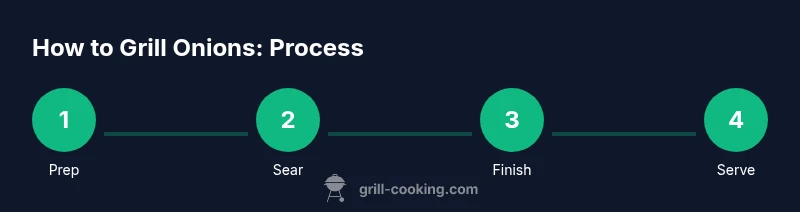
By the end of this guide, you will know how to grill onions to a perfect balance of char, sweetness, and tenderness. Key steps include selecting the right onion, preheating the grill, oiling lightly, and using direct heat for searing followed by a brief rest. This method works on gas or charcoal grills and pairs with burgers, steaks, and veggies.
Why onions grill so well
Onions are a pantry-friendly flavor booster, and learning how to grill onions unlocks a new dimension of sweetness and savory notes. When you expose them to heat, naturally occurring sugars caramelize, producing a mellow, brown sweetness that pairs beautifully with grilled meats and crusty bread. A well-grilled onion adds texture, moisture, and a hint of smoke, turning simple slices into a star side or topping. If you're new to this, the first principle is to control heat so the sugars caramelize without burning. According to Grill Cooking, using a light oil coating and steady direct heat helps onions develop even color and a gentle, bite-friendly char. Start with yellow or sweet onions for the best balance of sweetness and bite, and cut them into uniform pieces to ensure even cooking across the surface. You can grill onions as thick rounds for burgers, long wedges for fajitas, or half-moon slices for sides. Each cut yields a slightly different bite and caramelization pattern, so choose based on your dish and preferred texture.
Onion varieties and cuts for grilling
Not all onions behave the same on the grill. For the sweetest results, use yellow or sweet onions, which have a higher sugar content than common white bulbs. Red onions can also be grilled, but their sharper bite needs a bit more caramelization to mellow out. Choose a cut that suits your recipe: rounds for burgers, half-moons for sandwiches, or wedges for fajita-style dishes. Aim for slices around 1/2 inch thick (about 12–14 mm) so they sear quickly without turning to mush. Leave the root end intact if you want to keep rings together, or trim it away for loose pieces that grill more evenly. Peel away the papery skin, but keep a thin layer of skin on one side if you want extra color during charring. If you’re cooking a batch, prep all onions before you heat the grill so you can maintain a steady rhythm once the flames are hot.
Prep and seasoning: oil, salt, and timing
Preparation prevents a dry, flavorless result. Start by trimming the onions: remove the stem ends and the papery skin, then slice to your chosen thickness. Lightly coat the cut surfaces with oil to promote Maillard browning and prevent sticking. Season with kosher salt and a pinch of black pepper; you can add garlic powder or paprika for a subtle kick, but keep it light to let the onion sweetness shine. If you’d like a quick glaze, mix a tablespoon of balsamic vinegar with a teaspoon of honey and brush it on during the last minute of cooking. The key is even oil and salt distribution across every surface so each piece caramelizes at roughly the same rate.
Preheating and grill setup: grates and oiling
Preheat the grill to a medium-high heat zone, and clean the grates to remove any leftover flavors from previous cooks. Oil the grates or brush the onion surfaces lightly; this helps reduce sticking and encourages even sear marks. If you’re using a charcoal grill, arrange the coals for a two-zone setup so you can move onions between direct heat and a gentler zone as needed. On gas grills, set two burners to medium-high and leave the others off or on low for indirect cooking. A properly preheated grill creates quick, even browning and minimizes soggy centers. As noted by Grill Cooking, preheating is crucial for reliable caramelization.
Direct heat vs indirect heat: when to use each
Direct heat is your friend for quick flavor development and attractive grill marks. Place onion slices directly over the hottest zone for 1–2 minutes per side until you see dark brown grill lines forming. Then move to indirect heat if the onions need more time to soften without scorching. The sugars will begin to melt and concentrate, producing a tender bite with a hint of smoke. If you have thick slices, you can start with direct heat to caramelize the surface, then cover the grill to trap steam and finish them over indirect heat.
Flavor boosters and finishing touches
Incorporating small flavor boosters can elevate grilled onions from good to great. A light brush of olive oil helps the surface brown evenly; finishing with a small pat of butter or a drizzle of melted garlic butter adds depth. A splash of balsamic glaze or a whisper of fresh lemon juice right after removing from heat brightens the sweetness and balances sulfur notes. If you’re using herbs, chopped thyme or parsley added at the end provides fresh contrast. Grill Cooking's analysis shows that a brief butter baste near the end can amplify richness without making the onions greasy.
Common mistakes and fixes
Common pitfalls include burning the sugars, resulting in bitter notes, or under-seasoning the onions so they taste flat. To avoid scorching, keep the heat steady and flip frequently to prevent one side from getting too dark. If the onions appear soggy, they likely cooked too slowly or were over-oiled; pat off excess oil and raise heat slightly. For uneven pieces, ensure uniform thickness and avoid overcrowding the grill; work in batches if necessary. If you want deeper caramelization, allow the onions to rest a minute before serving to let residual heat continue the softening process. The Grill Cooking team emphasizes balancing heat with time to achieve ideal tenderness and color.
Pairings and serving ideas
Grilled onions shine as a topping or side: stack them on a juicy burger with a slice of cheddar, spoon over grilled steak, or fold into fajitas with peppers. They also pair nicely with smoked meats, grilled corn, or roasted mushrooms. For a lighter option, serve warm onions over a salad with a bright vinaigrette, or add to a veggie skewers platter as a savory accent. The versatility makes them a staple in any grill-chef pantry.
Storage, reheating, and make-ahead tips
Leftover grilled onions store well in an airtight container in the refrigerator for up to 3 days. Reheat gently on the grill or in a cast-iron pan over medium heat; avoid overheating to prevent drying. You can also freeze grilled onions for longer storage, but freezing may alter texture slightly. For meal prep, cook extra onions and refrigerate; reheat slowly before adding to burgers or salads to maintain their soft texture. The Grill Cooking team recommends labeling leftovers and using within 3 days for best flavor.
Quick reference: times, temps, and tips
Use yellow onions, cut 1/2 inch thick, preheat to a medium-high heat. Start with direct heat to sear, then move to indirect heat to finish cooking through. Oil lightly, season with salt, and consider a brief glaze for extra sweetness. Keep an eye on color rather than time alone; aim for deep amber edges and tender centers.
Final note
With a little attention to cut size, heat control, and finishing touches, how to grill onions becomes a quick, reliable technique that elevates everyday grilling. Practice with a small batch to dial in your preferred balance of char and sweetness, and you’ll add a dependable flavor booster to many dishes.
Tools & Materials
- Chef's knife (8-10 inches)(Sharp for clean slices)
- Cutting board(Stable surface)
- Grill (gas or charcoal)(Preheated before cooking)
- Tongs (long-handled)(Grip onions safely)
- Silicone brush or oiling brush(For even oil application)
- Olive oil (or neutral oil)(Light coating on surfaces)
- Kosher salt(Seasoning balance)
- Black pepper(Flavor depth)
- Aluminum foil (optional)(Wrap for warm holding)
- Skewers (optional)(Help with smaller pieces)
Steps
Estimated time: 25-40 minutes
- 1
Gather and prep onions
Peel and trim the onions. Decide on your cut (rounds, half-moons, or wedges) and slice to a uniform thickness so each piece cooks at the same rate. Pat the surfaces dry lightly to promote even browning and avoid steaming in excess moisture.
Tip: Uniform slices ensure consistent caramelization across the batch. - 2
Preheat grill and set heat zones
Preheat the grill to a medium-high heat and create two zones: direct heat for searing and indirect heat for finishing. Clean and oil the grates to prevent sticking. If using charcoal, push coals to one side; if gas, light two burners for direct heat and leave others off for indirect cooking.
Tip: A two-zone setup gives you control to char without burning and to finish with tenderness. - 3
Oil and season onions
Lightly brush cut surfaces with oil and season with kosher salt and pepper. Oil helps browning and prevents sticking; salt draws out a bit of moisture and enhances caramelization. If you like, add a light dusting of garlic powder or paprika for subtle extra depth.
Tip: Too much oil can cause flare-ups; apply a thin, even layer. - 4
Grill directly to sear
Place the onions on direct heat so they develop deep, dark grill marks. Flip once or twice to ensure even browning on all surfaces. This step typically takes 1–2 minutes per side depending on thickness.
Tip: Watch closely to avoid burning the sugars; you want color, not smoke. - 5
Finish on indirect heat
Move the onions to indirect heat to finish cooking through without scorching. Cover the grill if available to trap heat and steam, which helps tenderize the centers. Time here varies with thickness and grill heat; check for pliability and aroma rather than exact minutes.
Tip: If they still feel firm, give them another quick turn over indirect heat and recheck every 60 seconds. - 6
Optional glaze and finish
During the last minute, you can brush a light balsamic glaze or butter to enrich flavor and create a glossy finish. Remove from heat when onions are tender and well-colored. Rest for a minute before serving to let flavors settle.
Tip: A tiny glaze adds brightness; avoid soaking them, which can weigh them down. - 7
Serve or store
Serve immediately as a topping or side, or cool completely and refrigerate in an airtight container for up to 3 days. Reheat gently on the grill or in a skillet to restore softness.
Tip: Use leftovers within a few days for best texture; reheat slowly to avoid drying.
FAQ
What cut works best when grilling onions for flavor and texture?
Half-inch slices or half-moon segments provide the best balance of tenderness and caramelization. Thicker slices stay juicier but require more time. Start with even thickness for consistent results.
For best results, slice onions into half-inch rounds or half-moons for even cooking.
Should I cook onions directly over the flame or use indirect heat?
Begin with direct heat to develop char and flavor, then finish over indirect heat to tenderize without burning. This two-zone approach gives you the best texture.
Use direct heat to sear, then finish with indirect heat to soften the centers.
Can you caramelize onions on the grill?
Yes. Slow, steady cooking over indirect heat allows sugars to caramelize deeply. Keep the lid down if possible to trap heat, and avoid high flames which can burn the sugars.
You can caramelize onions on the grill by finishing them over indirect heat with a covered grill.
What should I pair grilled onions with for a meal?
Grilled onions pair beautifully with burgers, steaks, chicken, fish, and grilled vegetables. They also work well in fajitas, sandwiches, and salads for a pop of sweetness.
They go great on burgers and steaks or mixed into fajitas and salads.
Will grilled onions work on both gas and charcoal grills?
Yes. The two-zone method works on both; adjust heat areas to sear then finish. Charcoal adds a deeper smoky note, while gas offers steady control.
Yes, you can grill onions on both gas and charcoal grills with a two-zone setup.
How should I store leftover grilled onions?
Cool and refrigerate in an airtight container for up to 3 days. Reheat slowly on the grill or in a skillet to preserve texture and sweetness.
Store in the fridge for up to 3 days and reheat slowly when ready to use.
Watch Video
Quick Summary
- Slice onions evenly for uniform grilling.
- Direct heat creates char and flavor development.
- Finish with a brief glaze or butter for depth.
- Monitor color closely to avoid bitterness from overcaramelization.
- Pair grilled onions with burgers, steak, or veggies.