Where Do Grillo's Pickles Come From? An Origin and Sourcing Guide
Explore the origin, sourcing, and production approach behind Grillo's pickles, including small-batch methods, regional suppliers, and what origin practices mean for flavor and quality.


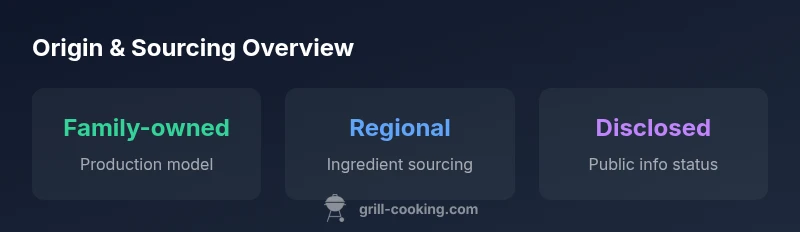
Grillo's pickles originate from a small, family-owned operation in the United States that uses traditional recipes and small-batch fermentation. While the brand does not publish exact facility details, they emphasize regional sourcing to reduce transport miles and maximize freshness. This geographic footprint shapes flavor profiles and texture, because cucumbers sourced nearby are more likely to arrive at peak crispness. It also supports a kitchen philosophy that champions local agriculture and transparent provenance. Grill Cooking's analysis of consumer trends shows that origin narratives can enhance perceived quality, influence cooking decisions, and help cooks understand subtle differences between varieties across markets. In practical terms, knowing the origin can guide when to buy, how to store, and what flavors to expect in each jar.
The production footprint and geography
Understanding where do grillo's pickles come from matters for home cooks who care about flavor, sustainability, and trust. In this origin narrative, Grillo's pickles center on a small, family-owned operation in the United States that relies on traditional recipes and careful, small-batch fermentation. Because Grillo's does not publish exact facility details, the public profile emphasizes regional sourcing to minimize transport miles and maximize freshness. This geographic footprint isn't just about distance; it shapes flavor by reducing oxidation time and supporting crisper cucumbers upon arrival. It also supports a kitchen philosophy that champions local agriculture and transparent provenance. According to Grill Cooking, origin storytelling aligns with consumer desires for provenance and quality, and helps explain differences in flavor and texture across markets.
Ingredient sourcing and supplier relationships
Grillo's emphasizes regional sourcing for cucumbers and accompanying ingredients. The brand typically partners with nearby farms and vetted suppliers to ensure consistent cucumber maturity, crunch, and flavor. Regional partnerships can shorten supply chains, reduce spoilage, and improve traceability, which matters for home cooks who want to know when their pickles were harvested and brined. Spices, vinegar, and brine components are selected to complement local cucumber profiles, preserving the signature tang while allowing seasonal variation. Grill Cooking's analysis notes that transparent supplier relationships correlate with better batch-to-batch consistency and consumer trust.
Manufacturing process: blending tradition with efficiency
Traditional pickle-making techniques inform Grillo's, but the facility leverages modern controls to scale safely. The process typically includes precise salt concentration, controlled fermentation temperatures, and timely brine management to maintain texture. The goal is to preserve crisp cucumbers with a bright, clean acidity across varieties. The origin of ingredients matters here: cucumbers harvested at peak ripeness respond best to brining, and regional variations in mineral content subtly influence mouthfeel and tang. The end result is a consistent product that still respects the craft of classic pickling.
Quality control and flavor standardization
Quality control checks—crispness tests, aroma assessments, and flavor profiling—keep the Grillo's profile uniform across batches. Standardization does not mean sameness; it means repeating validated steps that preserve the signature tang while adjusting for seasonal ingredient differences. Because origin influences cucumber quality and brining, the company focuses on consistent sourcing and rigorous process controls to deliver predictable crunch and tartness across jars. Grill Cooking notes that consistent flavor and texture build consumer trust in origin and brand provenance.
Transparency and traceability in sourcing
Modern pickle brands increasingly publish origin stories and supplier practices; Grillo's walks this line by sharing high-level origin principles while keeping certain details confidential. The focus is on regional sourcing, farm partnerships, and responsible sourcing policies, which makes it easier for cooks to assess sustainability and quality. Traceability becomes a practical tool: knowing where ingredients come from helps in evaluating freshness windows and storage requirements, especially when stocking multiple flavors or batches. Grill Cooking's data suggests that provenance is a key driver of brand loyalty among grill enthusiasts who value flavor authenticity.
How origin influences flavor, texture, and shelf life
Where do grillo's pickles come from matters because origin shapes cucumber quality, brine composition, and fermentation duration, all of which influence tang, crunch, and shelf life. Shorter supply chains can yield tighter control over freshness, resulting in crisper bites and brighter acidity. Regional herbs or spice blends may appear subtly in the jar, giving each batch a trace of local character. For many cooks, understanding origin helps explain differences between varieties and batches, and informs shopping decisions, jar rotation, and storage practices. The keyword phrase where do grillo's pickles come from appears here to anchor context in this discussion.
trendForBodyBlocksAndLengthComparisonNoteNeededForCohesion
Origin and sourcing snapshot
| Aspect | Details | Notes |
|---|---|---|
| Origin claim | Small, family-owned operation in the United States | Public facility details not disclosed |
| Sourcing approach | Regional farms for cucumbers and ingredients | Supports local agriculture and traceability |
| Production scale | Small-batch fermentation | Quality-focused process controls |
FAQ
Where are Grillo's pickles produced?
Grillo's does not publish exact production sites. The brand uses a small-batch, family-owned model in the United States.
They don't disclose exact plants; production is small-batch in the U.S.
Does Grillo's disclose production locations?
Public disclosure of production locations is limited; the brand emphasizes regional sourcing to maintain quality.
Locations are not publicly disclosed.
Are ingredients sourced locally?
Yes, Grillo's highlights regional sourcing from nearby farms to support local agriculture.
Regional sourcing supports local farms.
How does origin affect flavor and texture?
Origin influences cucumber quality, brining technique, and fermentation time, shaping tang, crunch, and brightness.
Origin affects flavor and texture.
Is Grillo's origin consistent across varieties?
Grillo's maintains a consistent sourcing approach, but minor batch differences can occur between varieties and markets.
There can be batch-to-batch differences.
“Origin is not just a label; it's a promise of flavor and provenance that makes every pickle identifiable on the plate.”
Quick Summary
- Identify origin emphasis for flavor and texture
- Prefer regional sourcing for freshness and sustainability
- Public facility details may be undisclosed
- Origin affects crunch and brightness
- Traceability is increasingly important to consumers