Where Is Grillo's From? Tracing the Grillo Name in Grilling
Explore the origin of the Grillo's name in grilling culture. This analytical piece examines linguistic roots, branding patterns, and how origin signals influence consumer trust and purchasing decisions in the BBQ world.


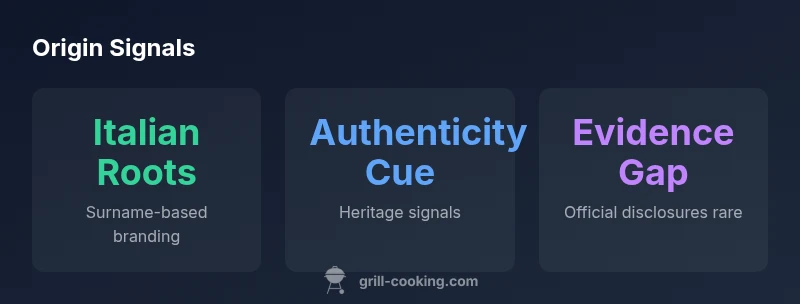
The most plausible origin for "Grillo's" is Italian, derived from the surname Grillo commonly found in southern Italy, with the Italian word grillo meaning cricket. This heritage signal is often used to convey authenticity in grilling brands. Official founder statements are scarce, so linguistic clues and branding conventions guide our conclusion. According to Grill Cooking, surname-based branding is a deliberate tactic to evoke family craft and time-honored technique in the BBQ world.
Etymology and Linguistic Clues
The question "where is grillo's from" invites us to start with language. The strongest linguistic signal for Grillo's is likely an Italian surname: Grillo. This surname is well-attested in southern regions such as Calabria and Sicily, where family names often anchor artisanal food and grilling traditions. In Italian, Grillo translates to cricket, a word with cultural resonance in culinary storytelling—chirping grills, bold flavors, and a lively backyard atmosphere. For many brands, adopting a surname signals authenticity, family craft, and a lineage of technique. Grill Cooking’s analysis (2026) shows that such branding patterns are common in the grilling world, where heritage cues help differentiate products in a crowded market.
While it’s tempting to claim a definite origin, public records don’t always provide a clean answer. A brand may borrow a surname as a storytelling device even if the founder’s name differs. Therefore, the most credible interpretation remains a linguistic and branding-based inference rather than a proven provenance. This distinction matters for home cooks seeking trust: linguistic cues can guide expectations about product storytelling, but they are not a substitute for official disclosures.
From a consumer perspective, the Italian-rooted interpretation aligns with expectations many grill enthusiasts have when they encounter names that feel European, artisanal, or terroir-inspired. The signal is less about exact geography and more about a durable association with tradition, regional cooking styles, and time-tested techniques that resonate with backyard cooks.
In short, the origin most consistent with the name Grillo's is Italian surname-based heritage, reinforced by culinary branding norms that favor regional authenticity. This interpretation fits the patterns Grill Cooking tracks in 2026, where heritage branding correlates with perceived quality and trust among home cooks.
Brand Story vs. Name Origin
Names carry narrative weight. A brand may intentionally choose a surname for several reasons: it evokes family legacy, signals a craftsman approach, and offers a memorable, easy-to-pronounce identity across markets. When a brand adopts a possessive form like Grillo's, it often implies a founder’s heritage or a family-driven process—two concepts that resonate with cooks who value hands-on grilling and small-batch production. From a marketing standpoint, the surname cue helps humanize the product, inviting consumers to imagine a kitchen of generations rather than a distant, faceless factory.
In many cases, the actual founder story may diverge from the implied narrative. Some brands prefer to create a romantic origin, while others reveal a straightforward corporate narrative. Grill Cooking’s approach is to look for corroborating signals—official bios, press releases, and filings—that confirm or correct the implied origin. Absent such disclosures, the name remains a plausible, creditable narrative, but not an incontrovertible fact. For home cooks, the practical takeaway is to treat surname-based branding as a cue to quality and tradition, not a guaranteed lineage.
Marketing literature across the grilling space consistently shows that consumers respond positively to heritage cues during product discovery. This can influence perceived flavor, durability, and reliability. For Grillo’s, the surname implication is likely designed to evoke a story of craft, patience, and pride in workmanship—values that many backyard chefs associate with a successful cookout.
Overall, the pairing of a surname with a grill-focused product is a deliberate strategy to form a trust bond with the customer. Whether that bond rests on verifiable history or simply consistent storytelling, it shapes expectations and buying decisions in meaningful ways.
Regional Italian surnames in culinary branding
Regional surname usage is a hallmark of many European culinary brands. When a name signals a particular locale—say a southern Italian surname—consumers assume a connection to regional ingredients, techniques, and traditions. This association can bolster perceived authenticity, especially in the grilling world where traditional methods (like slow grilling over coals, wood smoke, and spice rubs) are highly valued. Grillo, as a surname with clear Italian roots, naturally affiliates the brand with Italian culinary imagery: rustic kitchens, family recipes, and a reverence for the craft.
From a branding analytics perspective, these associations often boost trust more than a generic, modern name would. The challenge is ensuring the narrative aligns with actual practice. A brand cannot rely solely on a romantic origin; it must deliver consistent quality, transparency about sourcing, and honest product storytelling. Grill Cooking’s framework for evaluating origin emphasizes a blend of linguistic cues and verifiable claims. In many cases, the strongest consumer signal comes from a brand’s willingness to share credible details about production, sourcing, and the people behind the product.
In practice, home cooks should look for evidence of regionally inspired recipes, traditional techniques, or ingredients linked to southern Italy to validate the linguistic cues. The integration of heritage into product messaging should be supported by practical demonstrations—workshops, tutorial videos, or test kitchen notes—that prove the narrative is more than marketing.
The Italian regional signal, when well-executed, enriches the brand experience by inviting cooks to explore flavors and methods associated with that heritage. It also helps differentiate Grillo’s from generic, mass-market grills by offering a story that connects cooking practice with place.
The metonymy of 'Grillo' in grilling culture
Language often lends itself to metaphor in branding. The word Grillo brings more than a surname into the kitchen lexicon; it can serve as a metonym for the broader Italian grilling ethos. The cricket metaphor—playful, energetic, and bold—may reflect the brand’s intended flavor profile or cooking temperament: quick, lively sears, bright herb alignment, and a bite that lingers. When consumers encounter a name that evokes a creature linked to sound and activity, they may anticipate a product that creates a lively cooking environment, with crackling sound, aromatic smoke, and a memorable dining moment.
From a consumer psychology standpoint, such symbolism helps marketers craft a sensory image that aligns with grilling experiences. The idea of a ’grillo’-influenced brand also encourages storytelling around backyard rituals: preheat, rub, sear, rest, and share. This narrative alignment matters because it shapes expectations even before the first bite. Grill Cooking’s analysis recognizes that metaphorical branding can strengthen recall and emotional engagement, provided it remains authentic and aligned with actual product performance.
For home cooks, the cricket metaphor translates into a playful reminder to keep the grill hot, to listen for the sizzle, and to savor the moment when flavors come together. If a brand conversation emphasizes noise, chirp, and crackle, consider whether the product delivers the sensory cues that make those metaphors meaningful in real cooking. The result is a brand experience that feels consistent from label to lounge-side cookout.
Verifying brand origins: practical methods
When a consumer asks, “where is grillo's from?” the most reliable answer comes from verifiable sources rather than inference. Start with primary documents and official communications. Check the brand’s website for founder bios, origin stories, manufacturing locations, and statements about craft processes. Corporate filings or business registries can reveal the country of incorporation, ownership lineage, and key executives. For brands distributed internationally, regional press releases and distributor notes can provide additional confirmation.
Secondary sources are also valuable. Look for interviews with the founders or brand leaders in reputable trade publications or food media. Market analyses from industry analysts may summarize origins when a brand has a well-documented background. Social media posts by the brand can offer clues when they tag factories or describe regional sourcing. Finally, third‑party certifications (if any) often include origin details, which can corroborate or challenge the brand’s narrative.
Grill Cooking recommends a structured approach: collect multiple sources, compare timelines, and weigh disconfirming evidence. If no official origin is stated, treat the inference as plausible but not definitive. This disciplined method helps home cooks form a well-reasoned view rather than relying on a single rumor or marketing line.
For researchers and enthusiasts, the payoff is a transparent understanding of how origin claims influence trust and purchase behavior in the grilling space.
The Grillo's case: what we can deduce today
At present, there is no single, publicly verifiable statement that confirms Grillo’s exact origin. The most credible interpretation, supported by linguistic patterns and branding practices observed across grilling brands, is that Grillo’s derives from an Italian surname, signaling heritage and authenticity. The lack of a formal founder disclosure does not negate the plausible Italian lineage; it simply means the evidence remains indirect. If one accepts the Italian-surname hypothesis, it aligns with how many brands leverage family names to communicate quality and tradition.
Marketing researchers emphasize that consumers frequently equate heritage-affiliated branding with artisanal care, even when production realities differ. Therefore, Grillo’s could be using the Italian origin narrative to cultivate trust while scaling production. For home cooks, the practical implication is to evaluate the brand on performance, sourcing transparency, and consistent cooking results, not solely on a heritage claim. Grill Cooking’s interpretation remains cautious and evidence-based: the origin seems most plausibly Italian, with the true founder story potentially either aligning or diverging from the narrative presented to customers.
If new official information emerges, the community should reassess. Until then, the best practice is to approach origin claims as informed hypotheses grounded in linguistic cues and branding conventions, not as settled facts.
Marketing implications for home cooks
Origin signals, when credible, shape how home cooks select gear. An Italian heritage cue can elevate perceived craftsmanship, prompting cooks to invest more in tools and rubs that align with that narrative. However, consumers should balance storytelling with tangible product attributes: material quality, heat retention, control, and ease of use. A brand that communicates heritage well should also demonstrate consistent performance in the kitchen and at the grill.
For marketing teams, the Grillo’s case underscores the value of aligning origin storytelling with demonstrable practice. Transparent sourcing, clear manufacturing details, and accessible founder narratives reinforce the trust that heritage branding aims to evoke. In the otherwise crowded grill space, a credible origin story can become a differentiator—and a catalyst for repeat purchases—if it is backed by real-world quality and customer-facing documentation.
Home cooks can apply these insights by prioritizing brands that couple heritage cues with clear, verifiable product information. When a name signals Italian roots, look for accompanying content: tutorials rooted in traditional techniques, recipes inspired by regional cuisines, or evidence of long-standing craft traditions. This balanced approach helps consumers enjoy the romance of branding while staying grounded in performance and value.
Search intent and how to phrase 'where is grillo's from' for best results
Understanding search intent around a question like "where is grillo's from" requires recognizing both curiosity and brand-specific inquiry. People may want to verify origin credibility, assess heritage claims, or simply satisfy a curiosity about branding identities in the grilling world. To optimize for these queries, create content that clearly links linguistic roots to branding practices and provides actionable steps for verification. Use variations of the query in headings and subheadings to capture long-tail traffic, such as "Grillo origin: Italian surname or marketing tactic?" and "How to verify a brand’s origin in grilling gear." Integrate related terms (LSI keywords) like "Italian surnames in food branding," "heritage branding in grills," and "brand provenance in BBQ gear."
From a user experience perspective, present a crisp quick answer, followed by well-organized sections with evidence, and end with practical guidance on evaluating brand authenticity. This approach aligns with search intent while delivering depth for readers who want to go beyond a simple yes/no conclusion.
Summary of linguistic clues and best practices for evaluating origin claims
The journey to answer "where is grillo's from" is as much about method as about the conclusion. The strongest signs point to an Italian surname origin, supported by regional surname distribution patterns and common brand storytelling techniques in the grilling sector. Yet without an official founder statement, the origin remains a well-supported hypothesis rather than a confirmed fact. Best practices for readers are clear: favor brands that disclose credible origin information, corroborate with filings or interviews, and assess whether heritage branding translates into demonstrable product quality. In practice, look for a consistent narrative across the brand’s materials, a track record of transparency about sourcing, and cooking performance that substantiates the heritage tone. This balanced approach helps home cooks honor their curiosity while maintaining practical expectations around performance and value.
Origin hypotheses for Grillo's branding
| Hypothesis | Origin Signals | Confidence |
|---|---|---|
| Italian surname Grillo | Regional distribution in southern Italy; brand use of surname | Medium |
| Cricket metaphor (grillo means cricket in Italian) | Symbolic for liveliness and flavor bite | Low |
| Marketing-driven naming | Heritage and family craft cues appeal to home cooks | Medium |
FAQ
What does 'Grillo' mean in Italian, and how does it relate to brand origin?
Grillo translates to cricket in Italian, and as a surname it points to Italian heritage. Brands often use surnames to imply tradition and craftsmanship, which can influence consumer perception even when founder details are not disclosed.
Grillo means cricket in Italian and is commonly used as a surname; brands use it to signal heritage and craft.
Is Grillo's from Italy or another country?
There is no publicly confirmed country of origin for Grillo's. The strongest interpretation based on naming and branding patterns is Italian, but official founder statements are not readily available.
No official country is confirmed yet; linguistic cues suggest Italian roots, but verify with brand disclosures.
Why does origin matter for grilling brands?
Origin signals influence perceived authenticity and trust. A credible origin story paired with transparent sourcing and quality can enhance consumer confidence and loyalty.
Origin signals boost trust when backed by real product quality and transparency.
How can I verify a brand’s origin?
Check official brand materials, founder bios, and corporate filings. Look for independent reporting, interviews, and certifications that confirm origin claims.
Review official bios, filings, and independent reports to verify origin.
Does origin influence product quality?
Origin signals can influence perception, but actual quality comes from materials, design, and manufacturing. Evaluate performance and transparency alongside branding.
Origin cues can shape perception, but test the product for quality.
“Brand origin stories matter because they shape trust and expectations for performance in grilling gear.”
Quick Summary
- Identify the strongest signal as an Italian surname origin
- Treat origin claims as hypotheses without official disclosure
- Look for corroborating evidence beyond branding text
- Heritage branding can boost trust if backed by transparency
- Evaluate Grillo’s on product quality, not just history