How Long to Grill Corn: Master the Timing
Discover exact grilling times for corn on the cob, whether husked, in husk, or foil-wrapped. Learn heat levels, turning cadence, doneness signs, and serving ideas from Grill Cooking to elevate your summer griddle game.


Goal: Learn how long to grill corn for a perfect bite. You’ll compare methods (in husk, husked, or foil), pick the right heat level, and follow a reliable timing cadence. Key requirements include a preheated grill, fresh ears, and a basting option for flavor. By the end, you’ll confidently grill corn to tender, charred kernels every time.
How Long to Grill Corn: Timing Basics
Grilling corn is about heat and cadence. The phrase 'how long to grill corn' isn't a single number; it's a method choice that affects texture and sweetness. For most methods on a medium grill, total cook time falls in the 10–15 minute range, but you should tune based on ear size and your heat source. Larger ears need more time; smaller ears less. For beginners, start with a timer: check every 2 minutes and aim for kernels that are plump and juicy with a slight blush of brown. If you want extra smoky flavor, go with husked-on or husked direct grilling, which will add more browning per minute but requires closer watching. If you prefer a steamed feel with pronounced sweetness, foil-wrapped is ideal, but you’ll sacrifice some char. Understanding these nuances improves your confidence and your grill's performance, and it is a common topic in Grill Cooking's testing protocols.
Preparing corn for grilling
Before you fire up the grill, decide how you’ll cook the corn: on the cob with the husk, with the husk removed for direct grilling, or wrapped in foil. Each method changes timing and texture. Start with fresh ears—peak sweetness is typically in late spring through summer—and have your seasonings ready. If you’re using husks, you can soak the ears briefly to reduce scorching, but this is optional; it also adds a bit of steam. For husked corn, pat dry after peeling and lightly oil to prevent sticking. If you’re going with a foil packet, season the kernels inside and seal the packets loosely for steam to escape. Grilling is a quick-serve method, so having everything prepped saves minutes that matter when the grill is hot. Finally, consider whether you want a smoky flavor or a brighter, butter-forward finish, as this will guide your heat level and turning cadence.
Grilling methods and timing by technique
Here are practical timing guidelines for the most common approaches:
- Direct heat, husked on the grate: 8–12 minutes total. Turn every 30–60 seconds for even color and tender kernels. The heat should be medium-high; avoid flare-ups by moving ears as needed.
- Husk-on (in the husk) on indirect heat: 12–20 minutes. The husks trap steam, creating a roasted-sweet flavor. Rotate occasionally to prevent any one side from burning.
- Foil-wrapped: 12–15 minutes, depending on ear size and how much steam you want. Leave a small vent so moisture can escape and kernels don’t turn mushy.
- Husked with a grill-lid technique: If you’re chasing bold browning, keep the lid closed most of the time; this concentrates heat and speeds up browning while preserving juicy kernels.
Remember: these are guidelines. Start checking at the 8–10 minute mark and use tenderness and aroma as your primary cues.
Testing doneness and signs of perfection
Doneness is best judged by texture and aroma. The kernels should be plump with a little resistance when pressed, and you should detect a sweet, nutty fragrance as sugars caramelize. A few charred spots are desirable for flavor, but avoid widespread blackening. If you’re not sure, take a sample kernel—bite into it; it should be tender, juicy, and not chalky. If the kernel is tough, return to the grill for one or two more minutes, then test again. Remember that corn continues to cook a minute or two after removal, so plan to pull the ears just shy of your preferred level of doneness.
Flavor boosters and finishing touches
Flavor is what makes grilled corn memorable. Start with a hot pat of butter or a drizzle of olive oil, then finish with salt. A squeeze of lime or lemon brightens sweetness and counteracts any heaviness from butter. For a Mexican-inspired version, dust with cotija cheese, chili powder, and fresh cilantro. If you love smoky notes, brush with a little smoked butter or chili oil in the last minute. You can also mix garlic butter for a rich, savory finish. Serve immediately; warm kernels hold their moisture best for a short window after coming off the grill.
Troubleshooting common issues
If your corn browns too quickly while the kernels stay firm, lower the heat or move the ears to indirect heat and cover to trap steam. If the kernels turn dry or stiff, you likely cooked at too high heat or for too long; reduce time or increase turning frequency. Husk-on methods can burn if the husks char; watch for hotspots and rotate. For buttery toppings, avoid adding salt until after butter is melted to prevent grainy texture. Finally, if you want more consistent browning, preheat the grate and oil the surface lightly to reduce sticking.
Serving ideas and variations
Serve corn hot with classic toppings—salt, butter, and a wedge of lime. For a twist, add cotija cheese, chili powder, cilantro, and a drizzle of hot sauce. A creamy herb butter pairs nicely with roasted corn, as does a garlic-lemon butter for a zesty finish. Try turning corn into a summer salad by cutting kernels off the cob and mixing with red onion, avocado, lime juice, and chopped cilantro. Grilled corn pairs well with grilled steak, chicken, or seafood; try a charred citrus glaze for a bright finish.
Tools & Materials
- Grill (gas or charcoal) with lid(Preheat to medium heat (about 350–400°F / 175–205°C))
- Tongs(Long, sturdy; 12 inches or more)
- Silicone brush or paper towels(For oiling or buttering corn)
- Aluminum foil (optional)(For foil-wrapped method or to rest on a tray)
- Knife or kitchen scissors(To trim silk and husk as needed)
- Butter or oil(For basting and serving)
- Seasonings (salt, pepper, lime, chili powder)(Flavor boosters)
- Heat-safe cutting board or tray(To rest corn after grilling)
Steps
Estimated time: 25-35 minutes
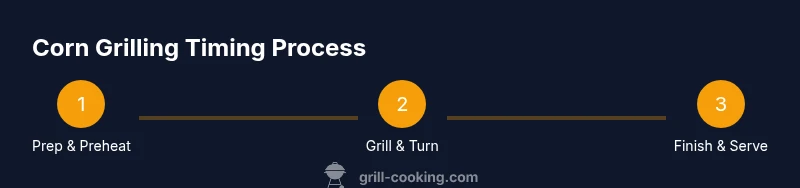
- 1
Gather and prep ears
Collect fresh corn and decide your cooking method. If using husks, you may leave them on for direct grilling; if not, plan to husk and remove silk. Trim the ends and pat dry to remove excess surface moisture.
Tip: Having all ears arranged and prepped saves minutes once the grill is hot. - 2
Preheat the grill
Preheat to medium heat so the grate reaches roughly 350–400°F (175–205°C). A hot, steady surface promotes even browning without scorching. If your grill runs hot, adjust to medium.
Tip: Close the lid during preheating to establish even heat. - 3
Choose your method
Decide between husked direct grilling, husk-on indirect grilling, or foil-wrapped. Each method changes cook time and texture. Prepare foil if you choose that route.
Tip: Husk-on methods yield smoky flavor; foil can simulate steamed tenderness. - 4
Oil and season
Lightly oil the corn or brush with butter to prevent sticking. Season with a pinch of salt, pepper, and optional chili powder or lime zest for brightness.
Tip: Oil helps attachment to the grate and even browning. - 5
Grill and turn
Place corn on the grate. Turn every 30–60 seconds for even color and avoid hotspots. If using husks, roll or reposition to prevent burning.
Tip: Frequent turning creates a uniform char and juicy kernels. - 6
Check doneness
Look for tender kernels with some caramelized spots. For husked corn, check by squeezing kernels gently; they should be tender but still crisp.
Tip: Peeking too early leads to undercooked corn; wait until fragrant and slightly browned. - 7
Rest and serve
Remove from heat, let rest for 1–2 minutes, then brush with butter and additional seasonings. Slice the kernels off the cob if desired or serve whole.
Tip: Resting helps juices redistribute for maximum flavor. - 8
Clean up
Turn off grill, safely extinguish flames, and clean the grate with a brush once cooled. This prep saves time for your next cookout.
Tip: A quick brush while warm makes residue easier to remove.
FAQ
Do you need to soak corn before grilling?
Soaking is optional. It can help reduce drying when grilling in husk, but it isn’t required for great results. If you skip soaking, just keep an eye on heat to avoid scorching.
Soaking is optional; it can help prevent scorching, but you can grill without soaking if you monitor the heat.
Should I grill with the lid up or down?
Close the lid for even cooking and to trap heat, especially for husked or foil-wrapped corn. Keep it open briefly for quick searing if you’re aiming for direct flame.
Close the lid to cook evenly, especially for husked or foil-wrapped corn.
What heat level is best for corn?
Medium to medium-high heat works well; it gives color without burning. Adjust based on your grill’s performance and corn size.
Medium to medium-high heat is ideal; adjust if your grill runs hot.
Can I grill corn ahead and reheat?
Yes. Grill corn and refrigerate promptly if serving later. Reheat briefly on the grill, watching closely to avoid overcooking.
Yes—grill ahead, then reheat on the grill just before serving.
Is charred corn unsafe to eat?
Char is safe and adds flavor when not burnt. Avoid heavy scorching by controlling heat and turning often.
Char is safe in moderation; keep flames steady to avoid burnt spots.
How should I season grilled corn?
Butter, salt, and lime are classic. For variety, try cotija cheese, chili powder, cilantro, or garlic butter.
Butter and salt with a squeeze of lime is a great start; add spices for more flavor.
Watch Video
Quick Summary
- Control heat to avoid burning and ensure even cook.
- Turn corn frequently for uniform browning.
- Choose the grilling method that matches texture you want.
- Finish with butter and salt for best flavor.
- Rest briefly before serving.