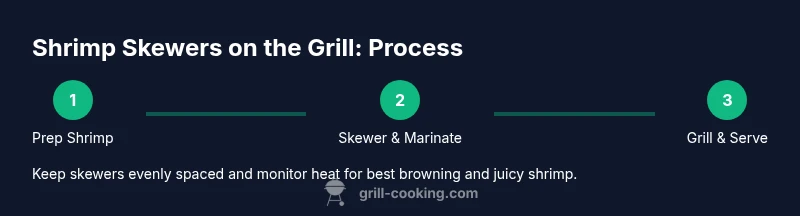
Shrimp Skewers on the Grill: A Home Cook's Step-by-Step Guide
Learn how to grill shrimp skewers with expert tips on prep, marinades, heat control, timing, and serving ideas. This comprehensive guide from Grill Cooking helps home cooks achieve juicy, flavorful shrimp skewers on the grill every time.


You will learn a reliable method to grill shrimp skewers on the grill, including choosing shrimp, prepping, marinating or seasoning, and cooking to perfect doneness. You’ll need fresh or thawed shrimp, skewers (metal or wooden), basic seasoning or a simple marinade, and a hot grill. This quick answer gives you the essential steps to start confidently.
Why shrimp skewers on the grill shine
Shrimp skewers on the grill deliver a bright, clean flavor that’s quick to cook and easy to portion for a crowd. When the grill is hot enough and you space the shrimp evenly, you get a fast, predictable sear with a delicate, juicy interior. The technique works with various seasonings, from a simple salt-and-pepper rub to bold garlic-lime marinades. In this guide from Grill Cooking, we’ll break down how to pick shrimp, thread it onto skewers, and manage heat so your shrimp skewers on the grill come out consistently tender and flavorful. The right approach reduces sticking, ensures even cooking, and minimizes flare-ups.
Key ideas to master: choose shrimp that are uniform in size, pat them dry, preheat the grill, and avoid overloading the skewers with crowded pieces.
If you’re new to seafood on the grill, start with smaller, easy-to-handle skewers and a moderate flame. With practice, you’ll develop an eye for when the exterior is blistered just enough while the interior stays juicy.
Marinade and seasoning fundamentals
Marinades add depth and help keep shrimp moist during grilling. For shrimp skewers on the grill, a quick oil-based marinade works well because it promotes even browning without weighing the shrimp down. Simple options include olive oil mixed with minced garlic, lemon juice, chopped herbs (like parsley or cilantro), and a pinch of red pepper flakes for warmth. If you prefer a dry rub, combine paprika, garlic powder, salt, pepper, and a whisper of brown sugar to encourage caramelization. Marinade time can range from 15 minutes to 60 minutes, depending on how strong you want the flavor. Remember: shrimp are delicate and soak up flavors quickly, so avoid overly long marinating that can overwhelm their natural sweetness.
When shrimp skewers on the grill, you want a balance between a flavorful exterior and a tender interior. A light coating of oil on the shrimp before skewering helps prevent sticking and promotes even browning on both sides. If using wooden skewers, soak them in water for at least 30 minutes to reduce scorching on the grill.
Shrimp selection, prep, and skewering
Selecting shrimp for shrimp skewers on the grill matters for texture and cooking consistency. Look for shrimp that are firm, translucent, and have a clean ocean scent. Size matters: 16-20 count per pound is common for skewer recipes, but you can use larger or smaller shrimp as long as you adjust the skewering and cooking time. Peel and devein if needed, then pat dry thoroughly. Dry shrimp sears better and reduces steam that can prevent a good crust from forming. Thread 3-4 shrimp onto each skewer, leaving a little space between pieces to ensure even heat penetration. If you’re using wooden skewers, thread with a small overhang for easy handling.
Pro-tip: thread the shrimp so the thick part sits near the center of the skewer for balanced cooking. If you’re using metal skewers, alternate directions between pieces to help them stay secure during turning.
Grilling setup: heat management and skewers
A successful shrimp skewers on the grill starts with proper heat management. Preheat the grill to medium-high heat so the exterior sears quickly while the interior cooks through. Gas grills typically run around 425-450°F (about 220-232°C); charcoal grills offer a similar hot zone with a cooler side for moving skewers if flare-ups occur. When you place skewers on the grill, lay them directly over the hottest area for a quick sear, then move to indirect heat if needed to finish cooking through without burning. Keep a spray bottle handy to tame any flare-ups and have a pair of tongs ready for turning.
Position skewers across the grates rather than parallel to them to prevent pieces from rolling. Remember to oil the grates lightly or brush the skewers with a thin coat of oil to minimize sticking.
Safety note: never leave a grill unattended while skewers are over high heat; shrimp can go from perfectly cooked to overdone in minutes.
Cooking technique: timing, turning, and doneness
Grilling shrimp skewers on the grill is quick, typically totaling 4-6 minutes depending on size and heat. Start with a 2-minute sear on each side over direct high heat, then rotate and flip to promote even browning. Shrimp are done when they turn pink, opaque, and have a slight curl. If you’re at 1 to 1.5 minutes per side and the exterior looks caramelized, test for doneness with a fork or an instant-read thermometer; aim for an internal temperature just above 120°F (49°C) for a juicy finish, as shrimp continue to cook slightly after removal. Rest for 1-2 minutes before serving to retain moisture.
Tip: avoid overcooking shrimp, which becomes rubbery quickly. For larger shrimp, you may need an extra minute per side, but monitor closely. The goal is a tender bite with a lightly charred exterior that carries the seasoning.
Sauces, sides, and serving ideas
The best accompaniments elevate shrimp skewers on the grill without overpowering their delicate flavor. A bright citrus dipping sauce, such as lemon-garlic aioli or a simple parsley-lemon vinaigrette, complements the shrimp well. For sides, consider grilled vegetables like zucchini, bell peppers, and corn on the cob, or a light quinoa salad to balance the meal. A cool cucumber-dill yogurt dip can add a refreshing contrast on warm summer evenings. If you’re feeding a crowd, label sauces and provide DIY toppings like chopped herbs, toasted sesame, or a squeeze of lime for a customizable bite. A platter presentation with skewers fanned and garnished with fresh herbs creates an appealing finish for family cookouts and backyard gatherings.
Troubleshooting common pitfalls
Shrimp skewers on the grill can be tricky if you run into common issues. If the shrimp curl too tightly or appear rubbery, you likely cooked them too long or over-processed the marinade, which can lock in moisture loss. If the skewers stick to the grates, the grates may need a higher heat or more oil; preheating properly and oiling the grates helps. If you experience uneven cooking, space skewers evenly and avoid crowding. If you notice flare-ups, move the skewers to cooler zones or use indirect heat until the shrimp are cooked through. Lastly, if the shrimp look pale or have a dull color, they probably need a few more seconds of direct heat to develop a crust. With attention to heat management, timing, and careful handling, your shrimp skewers on the grill will be consistently delicious.
Variations and advanced tips
Experiment with flavor profiles for shrimp skewers on the grill by adjusting the marinade base. A soy-garlic version offers savory depth, while a coconut-lime version provides tropical brightness. For a smoky edge, add a splash of smoked paprika to the rub, or finish with a brush of herb butter during the last minute of cooking. If you’re dealing with skewers that keep slipping, consider double-threading or using a two-skewer method with a small bar in the middle to keep pieces aligned. Finally, you can prepare a kebab-style version by alternating shrimp with pieces of pineapple or bell pepper for a sweet-savory contrast that pops on the grill.
Tools & Materials
- Shrimp (21-30 count per lb, peeled and deveined)(Prep and pat dry; deveined shrimp grill more cleanly.)
- Bamboo or metal skewers(If bamboo, soak 30 minutes before grilling.)
- Marinade or seasoning mix(Oil-based marinades preferred for browning.)
- Grill or grill pan(Ensure clean grates and preheated surface.)
- Tongs(For turning kebabs safely.)
- Oil spray or brush(Lightly oil the grates or skewers.)
- Instant-read thermometer(Check internal doneness if unsure.)
- Lemon wedges or dipping sauce(Adds brightness and variety.)
Steps
Estimated time: 25-40 minutes
- 1
Prep the shrimp
Thaw if frozen, pat dry, and pat dry again to remove surface moisture. If marinating, mix oil, acid, and flavorings. Coat evenly and allow 15-60 minutes for flavor to permeate without overdoing it.
Tip: Dry surfaces promote a better sear; excess liquid leads to steaming. - 2
Soak or prepare skewers
Soak wooden skewers for at least 30 minutes; dry them before threading. If using metal skewers, skip soaking. Prep a clean workspace for assembling the skewers.
Tip: Soaked skewers prevent burning and keep the shrimp stable. - 3
Thread shrimp onto skewers
Thread 3-4 shrimp per skewer, leaving space between pieces for even cooking. Ensure the thick part is toward the center for balanced heat exposure.
Tip: Avoid crowding; room between pieces yields even browning. - 4
Preheat the grill
Preheat to medium-high heat to establish a quick sear. Oil the grates lightly to reduce sticking. Have your tongs ready for fast turning.
Tip: A good preheat ensures a crisp crust and juicy interior. - 5
Grill and turn
Place skewers directly over direct heat and cook 2-3 minutes per side, watching closely for color change and doneness. Move to indirect heat if needed to finish cooking.
Tip: Turn only once or twice to avoid breaking the shrimp. - 6
Check doneness and rest
Shrimp should be pink, opaque, and slightly firm. Remove from heat and rest 1-2 minutes before serving to retain moisture.
Tip: Shrimp continue to cook slightly after removal; err on the side of a touch underdone.
FAQ
What size shrimp is best for skewers on the grill?
Medium to large shrimp (16-20 or 21-30 per pound) are ideal for skewer recipes because they hold together well and cook quickly. Smaller shrimp cook faster and can fall through grates if not managed carefully. Always adjust cooking time based on shrimp size and thickness.
For skewers, aim for medium to large shrimp since they stay intact and grill evenly. If using small shrimp, reduce cooking time and watch closely.
Should I marinate or dry rub shrimp for skewers?
Both approaches work. A light oil-based marinade adds moisture and flavor without overwhelming the shrimp’s sweetness. A dry rub with salt, pepper, and a touch of paprika provides a crisp crust. Either method should be followed by a brief rest to set the seasoning.
You can marinate briefly or use a dry rub; just keep it light so the shrimp stay tender.
How do I prevent skewers from sticking and burning?
Preheat the grill properly, oil the grates lightly, and oil the shrimp or skewers before grilling. If using wooden skewers, soak them to reduce burning. Keep a watchful eye on flare-ups and move skewers to indirect heat if needed.
Preheat, oil the grill and skewers, soak wooden skewers, and watch for flare-ups so they don’t burn.
How can I tell when shrimp are done on the grill?
Shrimp turn pink and opaque with a slight bend when done. They should be firm but not hard. If using a thermometer, aim for about 120–125°F (49–52°C) and remove them to rest as they finish cooking off the heat.
Look for pink, opaque shrimp with a slight curl; they cook quickly, so remove early and rest a moment.
What are good serving ideas for shrimp skewers on the grill?
Offer bright citrus sauces, such as lemon aioli or a lime-yogurt dip, and sides like grilled corn, peppers, or a light quinoa salad. Garnish with fresh herbs and a squeeze of lemon for a fresh finish.
Pair with a lemon aioli and grilled veggies for a bright, satisfying plate.
Can I grill frozen shrimp skewers directly?
Thaw shrimp completely before skewering for even cooking and predictable results. Grilling from frozen can cause uneven cooking and longer, less reliable times.
Thaw the shrimp first to ensure even cooking.
Watch Video
Quick Summary
- Choose uniform shrimp and pat dry for even browning.
- Soak wooden skewers and oil the grates to prevent sticking.
- Grill over medium-high heat; 2-3 minutes per side, watch closely.
- Don’t overcook; rest briefly before serving.
- Experiment with marinades and sides to elevate the meal.