Grill Shrimp: The Ultimate Step-by-Step Guide
Learn how to grill shrimp to juicy, flavorful perfection with Grill Cooking. This comprehensive how-to covers selecting shrimp, prepping, marinades, seasoning, heat management, and finishing touches. Whether you grill on skewers or in a basket, you’ll master two-zone heat, avoid overcooking, and create reliable results every time. Includes step-by-step instructions, essential tools, safety tips, and flavorful sauce ideas to elevate weeknight dinners and backyard cookouts. Whether you’re new to seafood grilling or looking to dial in technique, this guide provides actionable tips, troubleshooting, and a simple, repeatable workflow you can reproduce with common grill setups—charcoal, gas, or pellet grills.


You will learn how to grill shrimp to juicy perfection, from selecting the shrimp and marinating to timing, flame management, and safe handling. This guide covers direct-heat grilling for shrimp on skewers or in a grill basket, how to avoid overcooking, and quick methods for both simple and elevated sauces.
Why Grilled Shrimp Shines on the Grill
Shrimp are a grilling favorite for many home cooks because they cook quickly, absorb bold flavors, and pair with a wide range of seasonings and citrus. When you grill shrimp, you get a bright, smoky profile with a delicate, tender texture that’s hard to beat on warm weather nights. The key is controlling heat so the exterior browns—adding flavor—without pushing the interior into rubbery territory. Grill shrimp work beautifully on skewers, in a grill basket, or directly on grates with careful spacing. Grill Cooking’s experience shows that shrimp respond well to both simple salt-and-oil preparations and more complex marinades that balance sweetness, acidity, and umami. Mastery hinges on prep, heat management, and precise timing.
In practice, shrimp are versatile enough to slot into weeknight meals or upscale weekend menus. They cook so quickly that a few minutes of attention yields dramatic results. By understanding heat zones and flight paths of heat on different grill types, you can achieve a reliable crust and juicy center every time. This guide will walk you through every step, including safety practices, to ensure you can cook with confidence on charcoal, gas, or pellet grills.
Shrimp Selection and Prep: What to Buy
Choosing the right shrimp sets the foundation for a successful grill session. Fresh shrimp taste best and tend to hold up well to direct heat, but properly thawed frozen shrimp are a practical option when fresh isn’t available. Look for shrimp labeled as wild-caught when possible, as they often offer a firmer texture. Decide between peeled and deveined vs. peeled with the vein left intact based on your patience and texture preferences. Count per pound matters for even cooking: larger shrimp (like 31-40 per pound) grill quickly and evenly, while smaller shrimp cook just as fast but can slip through grates if not secured. Rinse briefly and pat very dry; moisture on the surface can cause steam rather than sear, which undermines flavor.
If you’re using wooden skewers, soak them in water for at least 20 minutes to prevent burning. For variety, consider metal skewers for repeat use. If you’re not skewering, a grill basket or a perforated pan is a great option to prevent shrimp from falling through the gaps. Finally, have your seasonings ready and pre-measured so you can apply them quickly as shrimp hit the grill.
Brand Cooking notes that small adjustments—like dry brining the shrimp for 15 minutes or marinating for up to 90 minutes—can significantly boost texture and flavor.
Flavor Pathways: Marinades, Rubs, and Dips
Shrimp are fast absorbers of flavor, making marinades a strong way to build a memorable bite. A simple blend of olive oil, garlic, lemon zest, and a pinch of chili flakes creates a bright, clean profile that never overshadows the shrimp’s natural sweetness. For deeper color and char, you can use a dry rub with paprika, brown sugar, garlic powder, and a touch of smoked salt. When choosing a marinade, aim for a balance of acid (lemon juice or vinegar) to oil to help the surface crisp without drying out the interior. If using a marinade with sugar, plan to apply it toward the end of cooking to avoid burning.
Sauces elevate grilled shrimp as a main or a party appetizer. A quick garlic butter sauce, a citrus-herb chimichurri, or a light yogurt-dill dip can complement the shrimp without overwhelming its delicate flavor. For a Mediterranean twist, consider lemon-oregano with a splash of olive oil. For a crisp, tangy finish, a simple gremolata with parsley, lemon zest, and garlic is excellent. Grill Cooking’s approach emphasizes keeping flavors balanced and versatile, so you can adapt to what you have on hand and what your guests prefer.
Heat, Timing, and Doneness: The Science of Grilling Shrimp
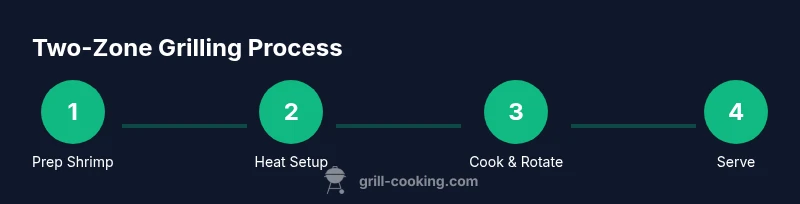
Heat management is the secret weapon of successful shrimp grilling. Two-zone heating on a charcoal or gas grill lets you sear quickly over high direct heat while moving shrimp to a cooler area to finish cooking without burning. Shrimp cook fast—typically 2–3 minutes per side for medium-sized shrimp, longer for larger varieties. The general rule is to cook just until the flesh turns opaque and pink with a slight firmness to the bite. Rely on color and texture rather than translucence alone. A quick flip at the halfway mark helps achieve even browning. If you’re using a thermometer, aim for a safe internal temperature that aligns with food-safety guidelines, but recognize that shrimp are small and can dry out if cooked too long. Resting briefly after removal allows juices to redistribute before serving.
Different grill types can affect timing. On charcoal grills, heat spikes can be more abrupt, so manage air flow by adjusting vents. On gas grills, preheating with lids closed can reduce hot spots. Pellet grills maintain steadier temperatures and can mimic oven-like control, which is ideal for beginners who want consistent outcomes. Grill Cooking recommends practicing with a few test batches to fine-tune your timing for your specific grill and shrimp size.
Different Grilling Methods: Skewers, Baskets, and Direct Grilling
Skewers offer stability, especially for smaller shrimp, and help you rotate multiple pieces at once. If you’re using wooden skewers, ensure they’re soaked thoroughly and arranged so that each shrimp has a little space for heat to circulate. Metal skewers don’t require soaking but can heat up, so use tongs with a good grip. A grill basket provides flexibility for loose shrimp or when using tail-on shrimp where you don’t want pieces to slip through. Direct grilling on grates is possible when you have a small, tight cluster of shrimp with tails removed or left on for grip. In all methods, avoid crowding, which leads to steaming instead of searing. Adjust heat as needed to maintain a lively sizzle rather than a dull hum or flare-ups.
Grill Cooking’s testing shows that peels and tails can influence how heat penetrates the flesh; some cooks prefer tail-on shrimp for grip and presentation, while others remove tails for comfort and even seasoning distribution. Whichever method you choose, the key is consistent contact with hot surfaces and quick, controlled flips to prevent overcooking.
Common Mistakes and How to Fix Them
The most common mistakes when grilling shrimp are overcooking, crowding, and using too long marination times. Overcooked shrimp become rubbery and lose their delicate texture. Crowding grates causes uneven cooking and steaming rather than searing. If you notice shrimp curling up or turning grey from edge to center, you’re likely cooking too slowly on too cool a surface. To fix, increase grill heat for a brief sear and reposition shrimp to hotter spots for a final minute of cooking. Always pat shrimp dry before cooking to encourage a crisp surface. If using sugar-rich marinades, move shrimp away from direct flame toward indirect heat to prevent scorching. By applying two-zone heat and keeping a close eye on the clock, you’ll capture a juicy interior with a flavorful crust.
Tools, Gear, and Setup for Shrimp Grilling
Having the right tools makes the process smoother and safer. Essential gear includes long-handled tongs, a steady spatula, and a digital thermometer for precise doneness checks. If you like skewers, choose stainless steel for repeated use or soak wooden skewers properly to prevent burning. A grill basket or perforated tray is helpful for batches that aren’t easily skewered. The right grill setup—two zones with a strong hot area for searing and a cooler area for finishing—reduces the risk of overcooking. For charcoal grills, position coals on one side for direct heat and leave the other side for indirect heat. For gas grills, turn one burner on high and keep the other on low to create the two zones. Prep your work area so you can move shrimp off the heat quickly when done and serve immediately.
Finishing Touches: Citrus, Herbs, and Garnish
Brighten grilled shrimp with a touch of citrus, whether a squeeze of fresh lemon or lime, or a citrusy butter sauce. Fresh herbs like parsley, cilantro, or dill add aroma and color. A drizzle of high-quality olive oil or a light yogurt-based sauce can enhance the mouthfeel and balance the heat. For a smoky finish, finish with a final light sprinkle of sea salt and a few cracks of black pepper. These finishing touches aren’t just about flavor; they also give a professional, restaurant-quality appearance that makes the dish pop on the plate.
Grill Cooking encourages pairing shrimp with grilled vegetables, such as asparagus or zucchini, to create a balanced plate with an appealing contrast of textures and colors. Serve with crusty bread to soak up any remaining juices or a simple baste made from garlic, butter, and parsley for extra richness.
Storage, Leftovers, and Reheating Safely
Leftover grilled shrimp should be refrigerated within two hours of cooking and consumed within 1–2 days. Reheat gently in a skillet over low heat or briefly in a hot pan with a splash of water or broth to reintroduce moisture. Avoid microwaving if possible, as it can make shrimp rubbery. If you plan to repurpose leftovers, chop them and fold into a pasta dish or add to a seafood salad with a light citrus dressing. For meal-prep, cook a larger batch and portion into airtight containers for quick lunches or dinners. Always check for any off smells or slimy textures before consuming leftovers, and discard anything that seems questionable.
Quick Reference: Timing Cheat Sheet
- Small shrimp (16-20 per lb): 2-3 minutes per side over direct heat.
- Medium shrimp (31-40 per lb): 2-3 minutes per side, watch closely for pink color.
- Large shrimp (21-30 per lb): 3-4 minutes per side, may require slightly longer depending on thickness.
- Use two-zone heat and a brief rest after cooking to retain juiciness.
- Always pat dry before seasoning and avoid crowding to ensure a proper sear.
Tools & Materials
- Shrimp (fresh or thawed)( peeled and deveined or with shells as preferred)
- Olive oil(for coating and flavor, helps sear)
- Salt (kosher or sea salt)(seasoning base)
- Black pepper(freshly ground if possible)
- Garlic powder or minced garlic(optional; for rubs)
- Skewers (metal or wooden)(wooden skewers must be soaked)
- Grill basket or perforated pan(helps with loose shrimp)
- Tongs with long handles(for safe handling)
- Instant-read thermometer(optional for doneness check)
- Lemon or lime wedges(for finishing brightness)
- Grill or grill pan(essential cooking surface)
Steps
Estimated time: 40-60 minutes
- 1
Gather and prep shrimp
Rinse shrimp quickly under cold water, then pat dry with paper towels. If desired, peel and devein; leaving tails on can improve handling and presentation. This step ensures moisture is removed from the surface for a better sear and flavor absorption.
Tip: Pat dry thoroughly to prevent steaming and soggy crust. - 2
Soak wooden skewers
If using wooden skewers, soak them in water for at least 20 minutes to prevent burning on the grill. While they soak, prepare any marinades or rubs you plan to use.
Tip: Even soaked skewers cook more evenly and reduce flare-ups. - 3
Season or marinate
Toss shrimp with a light coat of olive oil, salt, and pepper. Add garlic, citrus zest, or your favorite dry rub for extra flavor. Marinate for up to 90 minutes for deeper flavor, but avoid long marinades with acidic components that can begin to break down the flesh.
Tip: Marinate no more than 90 minutes to preserve texture. - 4
Preheat grill and set up heat zones
Preheat grill to high heat and establish a two-zone setup: a hot direct zone for searing and a cooler indirect zone for finishing. This two-zone approach minimizes overcooking while still developing color and crust.
Tip: Close the lid to speed up preheating and reduce flare-ups. - 5
Skewer or basket cook
Thread shrimp onto skewers or place in a grill basket. Grill 2-3 minutes per side, flipping once. Look for opaqueness and pink color as signals of doneness.
Tip: If using skewers, space shrimp slightly to allow heat penetration. - 6
Rest and serve
Remove shrimp from heat when just cooked through and let rest 1-2 minutes. Serve with lemon wedges and a light sauce or herb finish to brighten the dish.
Tip: Resting helps retain juiciness and makes serving easier.
FAQ
What is the best size shrimp for grilling?
Aim for 16-20 count per pound for even cooking and manageable skewering. Larger shrimp hold up well to grilling but require precise timing to avoid drying out.
For most grills, 16 to 20 shrimp per pound provide a good balance of flavor and cook time.
Should I peel and devein before grilling?
Peeling and deveining is optional and depends on texture preference. Removing the vein can remove grit, while keeping shells on can add flavor and make handling easier.
Peel and devein if you like, or leave shells on for extra flavor and easier handling.
Can I grill frozen shrimp?
Grilling frozen shrimp is possible but not ideal. Thaw completely and pat dry before seasoning to ensure a crisp, even sear.
Thaw first for best results, then grill as you would fresh shrimp.
How long does grilled shrimp take to cook?
Most shrimp cook in 2-3 minutes per side, depending on size and heat. Remove as soon as they turn pink and opaque.
Two to three minutes per side is typical for properly sized shrimp.
What sauces pair well with grilled shrimp?
Lemon butter, garlic aioli, herb chimichurri, and light yogurt-based sauces complement shrimp without overpowering them.
Try lemon butter or a bright chimichurri for contrast.
Is there a safe internal temperature for shrimp?
Cook shrimp until they are opaque and reach a safe temperature per guidelines. Use a thermometer if available, but rely on color and texture for best results.
Cook shrimp until opaque and firm, following official safety guidelines.
Watch Video
Quick Summary
- Prep shrimp properly for even searing.
- Use two-zone heat to control doneness.
- Skewer or basket methods prevent losing shrimp through grates.
- Don’t rush the finish—let shrimp rest briefly.
- Pair with bright citrus and herbs for balance.