Seasons and Regions Seafood Grill: Mastery Guide
A step-by-step guide to grilling seafood by season and region, with safety tips, marinades, and menu ideas for home cooks and grill enthusiasts. Learn to choose seafood by availability, pair regional flavors, and grill with confidence.


Master regional seafood grilling by selecting fish and shellfish based on current seasons and local shores. You'll learn how to pair regional flavors with simple marinades, manage grill heat for delicate proteins, and time seafood to finish just as it browns. This guide helps home cooks plan a seasonal grill night with confidence and tasty, regionally inspired results.
seasons and regions seafood grill
Seasonal availability and regional fishing traditions shape what you grill and how you season it. This approach to seasons and regions seafood grill helps home cooks align with fresh catches, sustainable options, and peak tenderness. According to Grill Cooking, planning around local fisheries reduces waste and boosts flavor. In practice, start by surveying your local market or fishmonger for what's freshest this week, then map a grilling plan that highlights the region's typical species and common preparations. You might see red snapper on the coast, mussels from a nearby inlet, or shrimp peaking in late summer. Use those signals to rotate proteins, adjust marinade choices, and pick complementary sides that echo the region's style. This section sets the baseline for a meal that tastes of place rather than generic seafood fare.
Understanding seasonal seafood availability and regional flavors
Seasonal seafood availability directly influences texture, sweetness, and moisture when grilled. Regional flavors come from traditional preparations, local herbs, smoke levels, and the way a coastline or river basin treats seafood. By tracking what’s harvested when, you can time purchases so you catch seafood at its best, and you can design a menu that showcases distinct regional profiles. Grill Cooking analysis shows that aligning seafood selection with seasonality typically yields better brightness in flavor and more responsive cooking times, especially for delicate fillets and shellfish. When you combine the season with a regional lens (Mediterranean, Atlantic, Pacific Northwest, Gulf Coast, etc.), you unlock a host of pairing ideas that feel authentic rather than generic.
How to choose seasonal seafood by region
Start with the region you want to evoke, then look for seafood that is at its peak in that area. For coastal regions, you may see snapper, grouper, shrimp, mussels, and scallops; for northern regions, cod, haddock, salmon, and lobster tails become anchors. Check local markets for fishermen’s catches and ask about the harvest window. Freshness indicators include clear, bright eyes on whole fish, firm flesh, and a clean sea-like scent. When sourcing shellfish, ensure shells are closed or close when tapped. Consider sustainability guides when deciding what to buy, and plan a backup protein in case a preferred species runs low.
Safe handling and freshness by season
Keep seafood cold from market to grill to protect texture and safety. Transport seafood in a cooler with ice packs, and keep shells and shells-on products separate from ready-to-eat ingredients. At home, rinse shells and surface areas with cold water, pat dry with clean towels, and avoid cross-contamination by using separate cutting boards for raw seafood and vegetables. Dry surface moisture richens browning on the grill, but excess moisture can steam seafood, so pat dry before seasoning. In seasonal workups, you’ll notice that milder seasons demand gentler handling and quicker cooking times, whereas peak seasons support a bit more robust heat for near-s ear warming effects on the plate.
Tools and ingredients to support regional seafood grilling
Having the right tools makes seasons and regions seafood grill simpler and more reliable. Essential gear includes a sturdy grill (charcoal or gas) preheated to the appropriate temperature, long-handled tongs, a fish spatula for delicate flips, a sharp knife and cutting board, a thermometer for doneness, and a tray for resting cooked seafood. For ingredients, assemble a base of kosher salt, fresh cracked pepper, olive oil, lemon wedges, and a handful of region-inspired herbs (dill for Atlantic, thyme for Mediterranean coast, cilantro for tropical coasts). Don’t forget ice for keeping seafood cold during transport and prep, and a couple of marinades or dry rubs aligned with the region you’re highlighting.
Regional grilling techniques: heat, timing, and moisture management
Regional styles map to different heat strategies and cooking times. Direct high-heat grilling is ideal for small, tender fillets and shell-on prawns that cook quickly, while indirect heat helps larger or thicker portions cook through without burning the exterior. Thaw frozen items fully before grilling to avoid uneven cooking. Resting seafood briefly after removal from the grill allows juices to redistribute, enhancing flavor and texture. For delicate species, aim for 120-130°F internal temperature for fish and slightly higher for shellfish if needed. Use a quick, confident flip once and avoid moving the seafood around the grill too much to prevent moisture loss.
Flavor pairings and marinades for different regions
Regional flavor profiles guide how you season. A coastal Mediterranean approach leans on lemon, oregano, garlic, olive oil, and bright herbs. Atlantic-inspired dishes favor dill, parsley, and butter for richness. Pacific Northwest pairings emphasize citrus, fresh herbs, and light sesame notes. Gulf Coast dishes can lean toward paprika, cumin, lime, and hot peppers for a kick. Simple marinades that respect the seafood’s natural sweetness include olive oil with citrus zest, white wine, and light salt; heavier rubs work best with firmer fish or shellfish that hold up to bolder flavors.
Menu planning: a sample seasonal regional grill night
Plan a multi-course night that follows the seasons and regions concept. Start with a light shellfish starter such as grilled littleneck clams with lemon and herbs, then move to a main seafood entrée such as a regional white fish with citrus glaze, and finish with a simple grilled crustacean like shrimp skewers. Add regional sides—grilled vegetables, a bright tomato salad, and a starch such as lemon-herbed potatoes—to complete the tasting. Keep portions moderate to encourage savoring and prevent fatigue from long grilling sessions. This approach demonstrates how to craft a cohesive menu that feels of a place while staying approachable for home cooks.
Troubleshooting regional seafood grilling
If seafood sticks to the grill, let it rest briefly and use a well-oiled grill surface or a non-stick spray on the grate. If the outside browns too fast, briefly move it to a cooler area or reduce heat and finish with indirect heat. Dryness is common when shellfish and firm fish are overcooked; monitor internal temperatures and aim for brief, high-heat sears followed by gentle finishing. If a regional flavor doesn’t come through, adjust your finishing glaze or last-minute brush with the appropriate regional oil or citrus to reintroduce brightness. Keep a log of what works for future seasons and regions to improve your timing and texture.
Safety and environmental considerations
Always respect local regulations and sustainability recommendations when sourcing seafood. Favor species with healthy populations and responsible fishing practices. Minimize waste by using shells for stock or broth and composting where possible. Clean the grill thoroughly after each session to prevent cross-contamination and maintain performance. If you’re grilling with children or guests, provide a quick safety briefing on handling hot grills and sharp tools.
Quick-start plan for your first regional seafood grill
Begin with a single region you want to explore and a small purchase of 2-3 seafood items. Preheat your grill, pat seafood dry, and season simply with salt, pepper, and a touch of oil. Grill with direct heat for thin fillets and shell-on items, and switch to indirect heat for thicker portions. Serve with a bright lemon wedge and a regional herb, then rest the protein briefly before tasting. Track what worked, adjust timing, and expand to two regions across subsequent sessions.
Storing leftovers and repurposing shells and bones
Leftover seafood can be refrigerated for 1-2 days or frozen for longer storage. Reheat gently to avoid course texture, ideally using a light skillet on low heat or a gentle steam method. Use shells and bones to make a quick stock for future soups or sauces. If you plan to reuse shells for flavor, simmer them in water with a bit of onion and celery, then strain for a light, aromatic stock that pairs well with future regional dishes.
Tools & Materials
- Grill (charcoal or gas) preheated to 350-450°F(Adjust temp by seafood type; use high heat for quick sear, lower heat for thicker portions)
- Long-handled tongs(Stainless steel with a locking mechanism)
- Fish spatula(Slotted is helpful for draining excess marinade)
- Sharp knife and cutting board(For portioning and trimming seafood)
- Thermometer(Probe-style for accurate doneness; fish 120-130°F target depending on species)
- Bowl for marinade(Non-reactive bowl; size to fit your portions)
- Plastic wrap or lids(Cover marinated seafood during chill time)
- Ice and cooler(Keep seafood cold during transport and prep)
- Skewers (optional)(Metal skewers are reusable; wooden skewers should be soaked beforehand)
- Grill brush and oil spray(Lightly oil grates to prevent sticking)
- Serving platter and lemon wedges(Bright acidity helps balance regional flavors)
Steps
Estimated time: 60-90 minutes
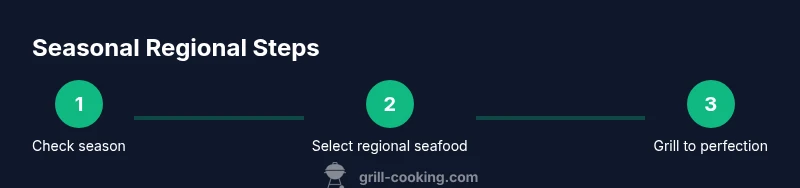
- 1
Check seasonal options
Survey your local fish market for what is freshest this week. Prioritize species known to perform well on the grill and match your regional goal. If a preferred item is out, have a backup that fits the same season and region.
Tip: Shop early in the day; you’ll get the best selection and peak freshness. - 2
Preheat and prep
Preheat your grill to the appropriate heat level for your chosen seafood. Pat seafood dry, trim any excess, and pat again to ensure even searing. Lightly oil or brush with marinade for added moisture.
Tip: Dry surface yields better browning and helps prevent sticking. - 3
Season regionally
Apply a light salt and pepper base, then add region-inspired flavors. Lemon zest for the Mediterranean, dill for Atlantic, or cilantro with lime for tropical coastlines. Keep rubs light to let seafood flavor shine through.
Tip: Avoid heavy marinades on delicate fish to prevent overpowering the seafood. - 4
Choose heat strategy
Decide between direct heat for quick-cooking species and indirect heat for thicker cuts or shellfish. If uncertain, start directly and finish indirectly to avoid overcooking the exterior.
Tip: A two-zone setup gives you flexibility to finish without burning. - 5
Cook and flip
Place seafood on the grill and flip once when a clean lift is possible. Use a thermometer to check doneness for thicker pieces. Shellfish cooks quickly; remove as soon as the flesh is opaque or shells open.
Tip: Overcooking is the most common error; set a timer and monitor closely. - 6
Rest and serve
Let seafood rest 2-3 minutes before serving to retain moisture. Plate with bright regional accompaniments and a drizzle of citrus or olive oil to finish.
Tip: Resting helps redistribute juices for a juicier bite. - 7
Cleanup and reuse
Clean grates promptly after use, and consider saving shells for stock. Label any marinated items clearly to prevent cross-contact in future meals.
Tip: A quick wipe-down saves time on your next grill session.
FAQ
What seafood grills best by season?
Seasonal waves determine best options; lean fish grill quickly, shellfish respond to gentle sears, and regional species provide authentic flavor. Always check local availability and sustainability guides.
Seasonality guides what to grill; lean fish cook fast, shellfish need careful timing, and regional choices give you authentic flavor.
How do I keep seafood moist on the grill?
Pat dry, lightly oil, and avoid overcrowding. Use indirect heat for thicker cuts and finish with a brief direct sear to lock in moisture.
Dry, oil lightly, and cook with the right heat strategy to keep seafood moist.
Can I grill frozen seafood?
Prefer thawed completely before grilling to ensure even cooking. If freezing, thaw in the fridge or under cold running water and pat dry before cooking.
Thaw thoroughly for even cooking; don’t grill frozen seafood.
What safety steps reduce cross-contamination?
Use separate boards for raw seafood and produce, wash hands frequently, and refrigerate seafood promptly. Keep raw seafood away from cooked portions and ready-to-eat items.
Keep raw seafood separate; wash hands and surfaces often.
How can I adapt this guide for a small backyard grill?
Choose thinner fillets and shellfish that cook quickly, use a two-zone fire if possible, and plan shorter, more frequent checks to avoid overcooking.
With a small grill, pick quick-cooking items and manage heat carefully.
What should I serve with regional grilled seafood?
Light salads, citrus-driven sauces, and simple grilled vegetables pair well with regional profiles and keep the focus on seafood.
Pair with bright salads and light sides to highlight regional flavors.
Watch Video
Quick Summary
- Plan seasonal selections for best flavor.
- Match seafood with regional flavor profiles.
- Control heat precisely to prevent overcooking.
- Rest seafood before serving for moisture retention.
- Store leftovers safely and reuse shells for stock.