Harbor Grill Mastery: The Ultimate How-To Guide for Seaside Grilling
Learn harbor grill techniques for coastal cooking with expert setup, heat management, safety, and maintenance. This guide covers fuel options, searing methods, cleaning, and seasonal care to help home cooks deliver restaurant-worthy results by the sea.


With this harbor grill guide, you will learn how to set up, fuel, and cook confidently outdoors. You'll master heat zones, searing, indirect cooking, and safe cleanup, while protecting your equipment from coastal conditions. By the end, you can grill seafood, steak, and vegetables to perfection in any harbor-side setting.
What is a harbor grill and why it matters
A harbor grill is a versatile outdoor cooking unit designed for coastal environments where wind, salt, and unpredictable weather test equipment. It combines rugged construction with flexible heat control so you can sear, roast, and smoke in seaside settings. For home cooks, understanding how a harbor grill differs from a typical backyard grill helps you optimize performance on decks, docks, or beachside patios. The key advantages include weather-resistant casings, sturdy grills that resist corrosion, and multi-zone heat that supports both fast searing and slow cooking. As you plan coastal outings, think about stability, wind protection, and easy cleanup; these factors will determine how often you reach for the grill and how reliably you can reproduce tasty meals even when conditions shift. In short, harbor grills extend your outdoor cooking season by offering dependable heat management and durable design that stands up to salty air and wind.
Key features to look for on a harbor grill
When shopping or upgrading, prioritize features that boost reliability and cooking versatility in coastal environments. Look for weatherproof seals around lids and doors, corrosion-resistant grates, and heavy-duty knobs that tolerate salt spray. A solid multi-zone firebox or burner system lets you create direct heat for searing and indirect heat for slower cooking. Integrated thermometer probes, built-in windshields, and flexible heat shields help maintain stable temperatures in gusty conditions. If you plan to grill seafood like shrimp or salmon, sturdy fish grates and adjustable racks are a boon. Storage shelves should be steel or enamel-coated to resist rust, and a snug water-resistant cover protects the unit when not in use. Finally, confirm that the fuel type aligns with your needs—gas, charcoal, pellet, or hybrid options—and that refueling is safe and convenient on your chosen setup.
Fuel options and heat management
Harbor grills typically support multiple fuel approaches, or a hybrid system that blends them. Gas offers quick preheat and precise temperature control, while charcoal delivers classic smoky flavors and robust crusts. Pellet options provide steady heat with programmable profiles for different foods. In all cases, map out heat zones: a hot direct zone for searing and a cooler indirect zone for finishing. Use a two-zone setup by placing fuel to one side and keeping the other side free for gentle cooking. Wind can significantly affect performance, so deploy windbreaks or place the grill in a sheltered area. Always preheat—this helps you seal in juices and reduces sticking. Finally, keep a close eye on temperature with an instant-read thermometer and adjust vents or burners as needed to hold target temperatures.
Safe setup and maintenance for harbor grilling
Safety begins with location: set the grill on a stable, non-flammable surface away from structures and dry leaves. Maintain at least 3-4 feet of clearance around the unit and never leave it unattended during peak heat. Wear heat-resistant gloves and use long-handled tongs to minimize your exposure to flames. Keep a metal tray for drippings and an accessible fire extinguisher or baking soda in the vicinity. Post-cook maintenance matters too: after every session, scrub grates while warm, wipe down exterior surfaces to remove salt residue, and cover the grill to prevent moisture intrusion. Periodically check seals, gaskets, and wheels for wear—coastal use can accelerate corrosion and component fatigue. By forming a routine around cleaning and inspection, you extend the life of your harbor grill and keep it safe for family cooks and guests.
Techniques for searing, grilling, and finishing
To get restaurant-like results, combine high-heat searing with controlled, lower-heat finishing. Start by patting dry and lightly oiling your proteins to promote browning and reduce sticking. Sear steaks, fish fillets, and shrimp over direct heat for 1-3 minutes per side, then move to indirect heat to finish to the desired internal temperature. For vegetables, use a medium-high direct heat with a light coating of oil and seasonings. Use a two-zone approach to manage flare-ups—when flames leap, slide meat to the cooler zone and monitor closely. For seafood, keep skin-on fillets away from intense heat until the flesh releases easily from the grate. Rest meat off the heat for 5-10 minutes to redistribute juices. Coastal winds can cool the grill quickly, so adjust your technique to maintain consistent surface temps.
Cooking guides and example recipes
Recipe 1: Harbor-Style Cedar Smoked Salmon
- Prep: pat dry, season with salt and citrus zest.
- Cook: set grill to indirect heat, aim for 120-130°C/250-265°F, smoke with a damp cedar plank for 15-20 minutes until flaky.
- Finish: brush with lemon-butter glaze and rest briefly.
Recipe 2: Charred Shrimp Skewers with Garlic-Lemon
- Prep: thread shrimp on skewers, oil lightly, season.
- Cook: place over direct heat; 2-3 minutes per side until pink and opaque.
- Finish: squeeze fresh lemon and scatter chopped parsley.
Recipe 3: Harbor-Grilled Asparagus with Parmesan
- Prep: toss with olive oil and salt.
- Cook: indirect heat, 8-10 minutes until tender and lightly charred.
- Serve: finish with grated parmesan and cracked pepper.
Cleaning, weatherproofing, and storage
After grilling, close the lid and let the grill cool before cleaning. Remove ashes and debris, scrub grates while warm, then rinse and dry thoroughly to prevent rust. Wipe the exterior with a damp cloth to remove salt spray, then apply a protective coating or cover. Store the grill in a dry, ventilated area; if you must store outdoors, choose a heavy-duty, water-resistant cover rated for coastal use. Periodically reseal doors, gaskets, and hinges to prevent weather-related leaks. Regularly inspect hoses, burners, and ignition components for wear, replacing parts as needed to maintain safe operation.
Common mistakes and how to avoid them
- Skipping preheating leads to uneven cooking and food sticking; always preheat thoroughly.
- Using low-quality oil or applying too much oil can cause flare-ups; use a light, even coating.
- Ignoring wind effects causes temperature fluctuations; use a windbreak or sheltered spot.
- Cooking seafood over direct high heat without monitoring leads to overcooking; manage heat zones.
- Not cleaning grates after each use accelerates rust and coating loss; clean while warm.
Authoritative sources
- U.S. Department of Agriculture (USDA) Food Safety and Inspection Service: https://www.fsis.usda.gov
- National Institute of Food and Agriculture (NIFA): https://www.nifa.usda.gov
- Centers for Disease Control and Prevention (CDC) – Food Safety: https://www.cdc.gov/foodsafety
Elevating your harbor grill game with accessories
Add heat-resistant covers, a windscreen, and a set of two-zone guides to tune heat. A sturdy grill brush and scraper help maintain clean grates, while a high-quality thermometer ensures precision. Consider a rotisserie kit or grill baskets to broaden your seafood and vegetable options. Invest in a durable stand for stability on uneven surfaces, and keep a reliable fuel supply ready for coastal gatherings.
Seasonal care and off-season storage
In winter or during extended downtimes, perform a deeper clean, protect exposed metalwork from rust, and apply a light coat of oil to grates. Store gas cylinders upright in a dry location and keep ventilation in mind when storing charcoal. Inspect covers for wear and replace torn seams. Inspect ignition systems and replace batteries if present. A yearly tune-up from a qualified technician can help maintain safety and performance.
Troubleshooting common heat and cooking issues
If temperatures fluctuate, check vents, burners, and fuel supply. If food sticks, re-season or clean grates; a hot pan or oil coating can help. If smoke becomes excessive, move food to indirect heat and check for flare-ups caused by fat dripping onto flames. For windy days, shield the grill and adjust burners to maintain steady heat. If ignition fails, replace batteries or igniter module and ensure electrical connections are secure.
Tools & Materials
- Harbor grill (gas or charcoal)(Ensure stability on deck or patio; confirm weather seals are intact.)
- Propane tank or charcoal fuel(Depends on grill type; store safely and away from heat.)
- Long-handled tongs(Use to manage food without getting too close to flames.)
- Instant-read thermometer(Critical for seafood and thick cuts to avoid under/overcooking.)
- Grill brush and scraper(Clean grates while warm for best results.)
- Heat-resistant gloves(Protect hands during high-heat sessions.)
- Fire extinguisher or baking soda(Keep within reach in outdoor setups.)
- Windbreak or sheltered area(Reduces heat fluctuations in coastal winds.)
Steps
Estimated time: 45-60 minutes
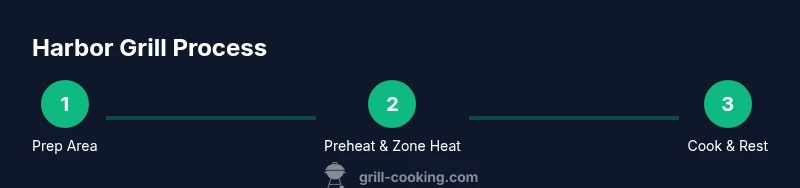
- 1
Prepare the grilling area
Clear the space around the grill and set up a stable, nonflammable surface. Gather tools, oil, and ingredients, separating raw from cooked items. Create a designated zone for tending flames and a separate zone for resting food to prevent cross-contamination.
Tip: Tip: Place a metal tray beneath the grill to catch drips and reduce flare-ups. - 2
Preheat the harbor grill and establish heat zones
Preheat with the lid closed to reach target temperatures. Create a hot direct zone for searing and a cooler indirect zone for finishing. Use vents and burners to dial in steady temps, especially in windy conditions.
Tip: Tip: Aim for a few degrees of stability before adding food; sudden temperature spikes cause uneven cooking. - 3
Prep ingredients and oil lightly
Pat dry proteins and vegetables to promote browning. Lightly oil and season just before hitting the grill to prevent sticking and maintain surface texture. Have your herbs and citrus ready for finishing sauces or char.
Tip: Tip: Salt seafood lightly before grilling; it helps draw out moisture and enhances crust formation. - 4
Cook with direct heat, then finish indirectly
Sear each item over direct heat to develop crusts and color, then move to indirect heat to finish cooking through without burning. Use a thermometer to verify doneness for thick cuts and seafood.
Tip: Tip: For fast-cooking items, flip only once to preserve juiciness and even browning. - 5
Rest and plate
Let meat rest off direct heat for several minutes to reabsorb juices. Slice against the grain for tenderness and present with a finishing touch of herbs or citrus glaze. Keep cooked items warm in the indirect zone if needed.
Tip: Tip: Rest times vary by cut; larger pieces need more time to reabsorb juices. - 6
Clean and inspect after cooking
While grates are still warm, scrub off residue and rinse. Wipe the exterior and check gaskets, hoses, and ignition parts for corrosion or wear. Cover the grill to shield from salt spray and moisture.
Tip: Tip: Schedule a quick inspection after each coastal cook to extend life and safety.
FAQ
What distinguishes a harbor grill from a regular backyard grill?
A harbor grill is built to withstand coastal conditions such as wind and salt, often featuring weatherproof construction, durable coatings, and versatile heat zones that support searing and slow cooking. These design choices help maintain stable temperatures and reduce corrosion in seaside environments.
Harbor grills are built for coastal weather; they keep heat stable and resist salt spray, making seaside cooking easier.
Can I use a harbor grill indoors?
Harbor grills are designed for outdoor use due to ventilation needs and open flames. Indoor use is not recommended and can be hazardous without proper venting and safety measures.
These grills are meant for outdoors because of smoke and flames; indoor use is unsafe.
Which fuels work best for harbor grilling?
Gas, charcoal, and pellet fuels are common in harbor grills. Each offers different control and flavor; choose based on your preference for speed, flavor, and maintenance. Hybrid options provide flexibility.
Gas is quick, charcoal gives smoky flavor, pellets offer steady heat; hybrids give you options.
How do I protect a harbor grill from salt air?
Use a weatherproof cover, perform routine cleanings to remove salt residue, and store the grill in a dry, ventilated area when possible. Regular inspections for corrosion help catch issues early.
Cover it, clean off salt, and store dry; check for corrosion regularly.
What’s a basic maintenance routine for a harbor grill?
After cooking, clean grates while warm, wipe down the exterior, and inspect seals and hinges. Periodic professional checkups can help maintain performance and safety.
Clean after cooking, wipe surfaces, and check seals; consider occasional professional tune-ups.
Watch Video
Quick Summary
- Prepare a stable, wind-proof setup before cooking.
- Use two heat zones for searing and finishing.
- Preheat, rest, and clean promptly for best results.
- Salt and oil lightly to promote browning without flare-ups.
- Regular maintenance extends harbor grill life.