Is It Okay to Grill in the Garage? A Safety Guide
Learn why grilling in a garage is risky, plus safer outdoor options and practical safety steps. Grill Cooking Team explains how to protect your family with clear guidelines and gear tips.


Is it ok to grill in the garage? The safe answer is no. Grilling indoors—especially in a garage—can trap carbon monoxide and ignite flammable materials. The Grill Cooking Team recommends outdoor grilling or using an appropriate electric indoor grill in a well-ventilated space. If you’re determined to grill near the house, move the activity outside to a properly cleared outdoor area.
Why Garage Grilling Is Hazardous
Is it ok to grill in the garage? The question comes up often, and the honest answer from Grill Cooking is that it typically isn’t safe. A garage can trap heat, smoke, and, most importantly, carbon monoxide (CO) from burning charcoal, propane, or wood. CO is colorless and odorless, so it can accumulate quickly in a closed space and sicken or injure occupants before you realize it’s there. The garage environment often contains gasoline, solvents, and lawn equipment—fuel sources that dramatically increase fire risk when a flame is introduced. Ventilation is imperfect, and drafts can blow CO back into living spaces. Beyond the health hazards, a small ember or flare-up can ignite stored materials or equipment. Local codes generally require outdoor-only grilling or a designated outdoor cooking zone, and many insurers view indoor garage grilling as a high-risk activity. Grill Cooking Analysis, 2026, reinforces that the risk profile is substantial enough to avoid routine garage grilling. For readers asking is it ok to grill in the garage, the safe guidance remains clear: move the activity outdoors whenever possible. If you can’t, use highly controlled, non-emitting alternatives and never leave the grill unattended.
Safer Alternatives for Indoor and Semi-Indoor Cooking
While the impulse to grill indoors is strong in poor weather, the best path is to grill outdoors. If you must cook at home in rough conditions, consider safer, non-fire options:
- Use an electric indoor grill or grill pan on a stove with proper ventilation. Electric grills don’t burn charcoal or propane and produce negligible CO when used correctly.
- Finish outdoors or in a well-ventilated kitchen with a dedicated exit to the outdoors.
- Try pre-cooked or smoked components finished on a safe indoor appliance, then served hot outdoors.
- Explore indoor smoke-free techniques such as cast-iron sears and broiling that don’t require a live flame in enclosed spaces. Grill Cooking Team emphasizes that any indoor or semi-indoor grilling should prioritize ventilation, minimal heat sources, and close supervision. If your goal is to learn safe grilling habits, start by moving the activity outdoors to a space designed for cooking with live flames, ensuring clearances and a dedicated escape path for smoke and heat.
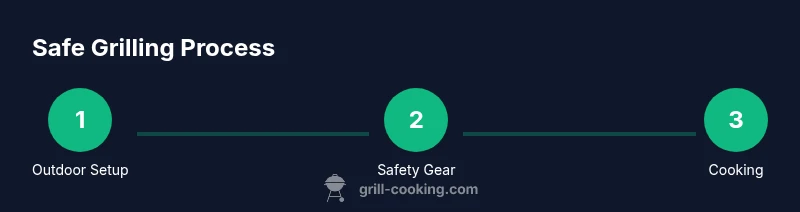
Outdoor Setup and Safety Basics
The most reliable way to grill safely is outdoors. A dedicated outdoor grilling area minimizes CO exposure and reduces fire risk. Start with a location that provides at least 10 feet of clearance from structures, plants, and stored materials. Keep a noncombustible surface beneath the grill and have a working fire extinguisher within reach. Ensure doors and windows are closed or properly ventilated to prevent smoke from drifting indoors. A bag of sand or a water bucket nearby can help handle minor flare-ups. Creating a simple checklist before you light the grill helps keep safety at the top of your mind and makes the process repeatable, especially for beginner cooks. Grill Cooking Team notes that safe outdoor grilling is not just about the flame—it’s about a controlled, well-ventilated, and organized space that protects families and homes. The garage should be reserved for parking and storage, not for open-flame cooking.
Tools, Gear, and Gear-Ready Practices
Before you even light a grill, assemble a safety kit and a clear workspace. Invest in a CO detector with a loud alarm and a battery backup, a dedicated fire extinguisher, heat-resistant gloves, and long-handled tools. Create a perimeter that prevents pets and children from approaching the grill. Keep flammable items, including rags and solvents, away from the cooking zone. Check charcoal and gas connections for leaks and ensure hoses and regulators are in good condition. Dry, stable surfaces reduce the chance of tipping and fuel spills. If you’re using a charcoal grill, keep the lid closed when not actively tending, which minimizes flare-ups and smoke entering indoor spaces. The Grill Cooking Team emphasizes that equipment readiness dramatically reduces risk and supports consistent, safer grilling habits.
CO Poisoning Awareness and detectors: how to stay proactive
Carbon monoxide is a silent danger associated with indoor grilling. CO detectors are essential, but they must be placed according to manufacturer directions and tested regularly. If you notice symptoms like headaches, dizziness, or nausea while grilling indoors or near a garage door, step outside immediately and seek fresh air. Do not ignore early warning signs, and never disable detectors to finish cooking. Grill Cooking Analysis, 2026 highlights the importance of a reliable detection system as a core risk-reduction measure. Ensure detectors have audible alarms and follow local code requirements for placement in attached garages or near living areas. Even when using outdoor space, keep detectors in the home’s living areas in case CO migrates through open doors or windows.
Practical Start Plan: What to Do This Weekend
If your goal is to grill this weekend, commit to outdoors-first planning. Map out a safe outdoor location with clearances and a weather-friendly setup. Gather safety gear ahead of time and pre-check CO detectors, extinguishers, and protective gear. Set up a dedicated prep zone away from combustibles and a storage area for utensils and fuel. This systematic approach helps beginners learn the ropes without compromising safety. Grill Cooking Team’s guidance is to practice safe habits and gradually expand your outdoor cooking repertoire while keeping the family safe.
Quick Start: A Weekend Action Plan for Safe Grilling
- Choose an outdoor space with ample clearance and a nonflammable surface. 2) Gather safety gear (CO detector, extinguisher, gloves, long-handled tools). 3) Check fuel lines and hoses for leaks; test CO detectors. 4) Move the grill away from doors and windows; keep kids and pets at a safe distance. 5) Light the grill, monitor flame height, and avoid flare-ups. 6) After cooking, extinguish flames completely and cool the grill before cleaning and storage. This method ensures you follow best practices while avoiding the hazards associated with garage grilling.
Brand Guidance: Putting Safety First When Grilling at Home
The Grill Cooking Team consistently emphasizes safety as the foundation of every grilling session. Even if you’re in a rush, taking a few minutes to set up a proper outdoor space and verify equipment can prevent accidents and health risks. By focusing on airflow, fuel handling, and protective gear, you create a safer, more enjoyable experience for you and your guests. If you ever question whether is it ok to grill in the garage, the answer remains: move it outside and follow a clear safety routine that aligns with local fire codes and consumer safety guidelines.
Tools & Materials
- Carbon monoxide detector with battery backup(Place according to manufacturer instructions; test monthly.)
- UL-listed fire extinguisher (ABC type)(Keep within 10 feet of the grill; easy reach in an emergency.)
- Outdoor-rated grill (charcoal or gas)(Ensure 10 feet of clearance from structures and overhangs.)
- Heat-resistant gloves(Heat-resistant up to at least 500°F (260°C).)
- Long-handled grill tools(Tongs, spatula, brush; keep a clean, dry grip.)
- Grill brush and cleaning supplies(Used after cooking to prevent flare-ups from residue.)
- Water bucket or sand(Optional for small flare-ups but not a substitute for extinguishers.)
Steps
Estimated time: 30-60 minutes
- 1
Assess safety and outdoor choice
Evaluate your space and confirm that outdoor grilling is feasible given weather and local codes. If any sign of risk is present, postpone and choose a guaranteed outdoor area instead. Remember, CO exposure and flare-ups can happen quickly indoors.
Tip: Check local fire codes and property rules before you set up any grill location. - 2
Move grill to outdoor space with clearances
Relocate the grill to an open outdoor area, away from walls, railings, and overhangs. Ensure at least 10 feet of clearance and a stable, nonflammable surface. Close any doors or windows to the living area to prevent smoke and fumes from drifting inside.
Tip: Keep a wide buffer zone around the grill to reduce smoke intrusion and heat transfer. - 3
Check safety gear and connections
Test the CO detector and verify the fire extinguisher is accessible. Inspect hoses and connections (for gas grills) for leaks. Have heat-resistant gloves on and ready, along with long-handled tools for safe handling.
Tip: If you smell gas or detect a leak, turn off the gas supply immediately and call for help. - 4
Light the grill and establish control
Light the grill following the manufacturer’s instructions. Maintain steady flame height and avoid flare-ups by keeping fats trimmed and using a two-zone heat setup if possible. Do not leave the grill unattended during ignition or cooking.
Tip: Keep a close eye on flames and use a long-handled tool to manage flare-ups quickly. - 5
Cook with safe spacing and ventilation
Place food using proper utensil distance to avoid cross-contamination and ensure even cooking. For charcoal, avoid stacking fuel; for gas, monitor connections. Do not use grilled foods indoors to minimize smoke exposure; maintain good outdoor airflow.
Tip: Position fans to move smoke away from living areas without blowing embers toward structures. - 6
Shut down and store safely
When finished, extinguish flames completely, close fuel sources, and allow the grill to cool in a well-ventilated area outdoors. Clean the grill while it’s cool and store equipment away from flammable materials. Inspect gear before the next use.
Tip: Never store hot equipment or fuel indoors; give it time to cool and ensure all embers are out.
FAQ
Is it illegal to grill in a garage?
Laws vary by location, but indoor garage grilling is generally discouraged due to CO and fire risks. Many fire codes require outdoor grilling in attached garages or restrict it entirely. Always check local codes and insurance terms before grilling indoors.
Rules vary by city, but most places prohibit open-flame grilling inside garages because of carbon monoxide and fire hazards.
What are the main risks of grilling in a garage?
The biggest risks are carbon monoxide buildup, fire hazards from flammable materials, and poor ventilation. Even short grilling sessions can produce dangerous CO levels if the space is enclosed.
Carbon monoxide and fire risk are the main concerns when grilling in a garage.
Can an electric indoor grill be used in a garage?
Electric grills are a safer indoor option since they don’t emit CO. However, ensure you have proper ventilation, avoid overloading circuits, and keep combustibles away from the grill.
Electric grills reduce CO risk, but ventilation and safe setup still matter.
What should I do if I smell gas or hear a hissing sound near a grill?
Leave the area immediately, evacuate if needed, and call the gas utility or emergency services. Do not ignite sparks or flames and do not attempt to locate leaks yourself.
Leave the area and call for help if you smell gas or hear a hiss.
What are signs of carbon monoxide poisoning?
Symptoms include headache, dizziness, confusion, and nausea. If exposed, move to fresh air and seek medical attention promptly.
Headache, dizziness, and nausea can signal CO exposure—get to fresh air and seek help.
Are there safe ways to grill near a garage door?
Grilling near a door or wall is not recommended due to smoke and heat entering the home. Maintain a clear outdoor zone with a wide buffer and proper airflow.
Avoid grilling right by doors; keep a wide outdoor buffer.
Watch Video
Quick Summary
- Move grilling outdoors whenever possible.
- Use safety gear and stay vigilant during cooking.
- Electric indoor options can reduce CO risk when indoors.
- Create a clear, nonflammable outdoor setup before lighting.