Is Grilled Chicken Good for You? A Healthful Guide
Explore whether grilled chicken is a healthy choice, considering protein, fat, marinades, skin, and cooking methods. Practical tips for lean, flavorful grilling and balanced meals for home cooks and grill enthusiasts.


Is grilled chicken good for you? In general, yes, as a lean source of high-quality protein. When prepared without skin, excessive fats, or high-sodium marinades, grilled chicken supports muscle growth, satiety, and a balanced diet. The overall health impact depends on portion size, cooking temperature, and accompanying sides.
Nutritional Basics: What makes grilled chicken a healthful choice
According to Grill Cooking, grilled chicken stands out as a lean, versatile protein option in a home-cooked diet. A standard 3-4 ounce portion of skinless chicken breast provides a high-quality protein with relatively low fat, making it a useful building block for meals. Beyond protein, chicken contains essential B vitamins and minerals such as phosphorus and selenium. The health impact, however, hinges on how you prepare it: skin, marinades, and cooking heat can shift the fat and sodium profiles. When you grill rather than fry, you typically add less added fat, which helps control calories. For most home cooks, the key is balancing protein with vegetables, whole grains, and healthy fats.
- Protein powerhouse: Grilled chicken delivers essential amino acids that support muscle repair, immune function, and tissue maintenance.
- Fat profile: Skinless breast is notably lower in saturated fat than many other animal proteins, while still offering flavor when seasoned properly.
- Micronutrients: B vitamins (niacin, riboflavin, B6) and minerals like phosphorus contribute to energy metabolism and bone health.
- Practical take: Portion control matters more than flavor—aim for a palm-sized portion of protein in a meal, with vegetables filling the rest of the plate.
Skin on vs. skinless: impact on health and flavor
The choice between skin-on and skinless chicken is a trade-off between flavor, texture, and fat intake. The skin adds moisture and browns nicely on the grill, but it also increases total calories and saturated fat per serving. For home cooks focusing on heart health or weight management, skinless cuts—especially from the breast—are the most consistently lean option. If you do cook with skin, you can still control fat by trimming visible fat after cooking and using skin-on only for meals where you’ll portion carefully.
- Flavor vs. fat: Skin can enhance juiciness and savor, which may reduce the need for heavy sauces.
- Cooking strategy: Start with skin-side down to crisp, then finish with indirect heat to avoid flare-ups that burn fat.
- Nutrition nuance: Fat from the skin is not inherently bad, but it shifts your energy balance; your overall diet will determine impact.
- Practical tip: Don’t remove all flavor—marinate lightly and rely on herbs, citrus, and a little olive oil for moisture.
Marinades and sauces: how to keep grilled chicken healthy
Marinades are a powerful tool for flavor, but they can also add sugar or salt. To keep grilled chicken healthy, opt for marinades that rely on herbs, citrus, vinegar, garlic, and olive oil rather than heavy soy sauce or sugar-forward mixes. If you’re watching sodium, batch a simple marinade with lemon juice, garlic, Dijon mustard, and olive oil; you’ll get depth without oversalting. A short marinating time (30 minutes to 2 hours) can impart flavor without drawing out too much moisture. Remember that sugar in marinades also caramelizes, which is delicious but can create char if you grill too long.
- Sodium watch: Many store-bought marinades are salty; check labels and choose low-sodium options.
- Sugar balance: If you prefer sweeter profiles, use honey or maple in moderation and pair with a savory base.
- Oil choice: A modest amount of olive oil helps heat transfer and moisture without greasing the grill.
- Practical approach: Always pat dry before grilling to get a crisp exterior without excess moisture.
Cooking methods and safety: avoiding toxins and dryness
Food safety and flavor are both about controlling heat and moisture. For chicken, the target internal temperature is 165°F (74°C). Use a reliable meat thermometer to confirm doneness instead of guessing by color alone. Overcooking dries the meat, while undercooking poses health risks. To reduce surface charring, preheat the grill, then move the chicken to indirect heat if you notice flare-ups. Gentle grilling with steady heat preserves juiciness and minimizes formation of potentially harmful compounds. If you enjoy a sear, do it quickly at the start and finish with a gentler finish.
- Prep and sanitation: Keep raw chicken separate, wash surfaces, and avoid cross-contamination.
- Turnover: Flip once or twice to ensure even cooking without drying out the meat.
- Char avoidance: Trim burnt portions and avoid long exposure to direct flame.
Practical meal planning: balance and portions
Is grilled chicken good for you most of the time? Yes, when placed in a balanced meal plan. Aim for a plate that includes color and variety: half the plate vegetables, a quarter lean protein (grilled chicken), and a quarter whole grains or starchy vegetables. Meal prep by cooking a batch of chicken and pairing it with roasted vegetables, quinoa, or brown rice. Include a healthy fat such as avocado or olive oil for satiety and flavor. This approach helps maintain energy balance, supports muscle maintenance, and makes it easier to eat well during busy weeks.
- Batch cooking: Cook chicken in bulk and reuse across multiple meals.
- Flavor boosters: Fresh herbs, citrus zest, and chili flakes provide vibrancy without extra salt.
- Portion planning: A palm-sized portion of chicken around 4-6 ounces, depending on needs.
Common myths and realistic expectations
There are a few myths around grilled chicken that deserve clarification. First, grilled chicken is not automatically a low-carbohydrate food; it’s a protein source, and carbohydrates come from the sides. Second, “white meat” does not automatically equal healthy; portion size and cooking method matter more than cut type. Third, while grilling can be a healthy method, the total health impact comes from sauce choices, sides, and total daily intake. Finally, cooking your chicken to perfection is less about temperature alone and more about moisture retention and rest time after grilling.
- Myth: Any chicken is healthy when grilled. Reality: Prep and portions drive health outcomes.
- Myth: Grilled chicken is always lean. Reality: Skin and method can change fat load.
- Myth: All marinades are harmless. Reality: Some are high in sodium and sugar; read labels.
How to evaluate grilled chicken recipes
To make sure you’re getting a healthy, tasty result, evaluate recipes by protein density, fat source, sodium level, and cooking method. Favor skinless cuts, lean cooking temperatures, and clear guidance on internal temperature. Look for recipes that pair chicken with vegetables and whole grains rather than heavy sauces. A practical test is to cook a small batch, measure portions, and track fullness after meals to ensure your intake aligns with goals.
Nutritional comparison of common chicken cuts
| Cut | Protein (g) | Calories | Fat (g) | Sodium (mg) |
|---|---|---|---|---|
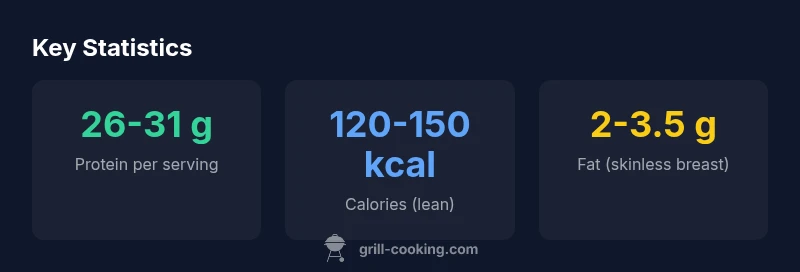
| Breast, skinless, cooked | 31 | 165 | 3.6 | 60 |
| Thigh, skinless, cooked | 23 | 209 | 10.9 | 74 |
| Breast, with skin, cooked | 31 | 191 | 8.0 | 74 |
FAQ
Is skin-on chicken healthier than skinless?
Skin adds moisture and flavor but also increases calories and saturated fat. For heart health or weight management, skinless cuts are usually the leaner choice. If you cook with skin, trim excess fat after cooking and portion carefully.
Skin-on adds juiciness but more fat; skinless is leaner and better for weight goals. Trim fat and watch portions.
How much grilled chicken counts as a serving?
A standard serving is about 3 to 4 ounces cooked, roughly the size of a deck of cards. Active individuals may need more, while smaller eaters may need less. Use plates or a scale to guide portions.
A typical serving is about 3 to 4 ounces cooked.
Does marinating increase sodium?
Many marinades contain salt; choose low-sodium options or make your own with herbs, citrus, and olive oil. Rinse or pat dry after marinating to reduce surface salt.
Yes, some marinades are salty; pick low-sodium options or make your own.
Is grilled chicken safe to eat if I burn it?
Burned portions can contain compounds linked to health concerns. Trim charred areas and avoid prolonged exposure to direct flame. Use indirect heat to finish cooking when needed.
Avoid burning; trim char and finish with gentler heat.
Is grilled chicken good for weight loss?
Grilled chicken can support weight loss due to its high protein and lower fat when skinless. Pair with veggies and whole grains, and control portions to fit daily calorie goals.
Yes, as a lean protein, it supports fullness when portions and sides fit your goals.
What cooking methods reduce carcinogens while grilling?
Use indirect heat, marinate to limit charring, and avoid long direct flame exposure. Flip frequently and cook evenly for a safer, tastier result.
Prefer indirect heat and avoid excessive charring for safety.
“Grilled chicken, when prepared thoughtfully, fits into a balanced diet as a reliable source of quality protein without excess saturated fat.”
Quick Summary
- Choose skinless chicken to maximize lean protein.
- Marinades shape sodium and sugar exposure.
- Cook to 165°F and avoid charring.
- Pair with vegetables and whole grains for balance.
- Practice portion control with a palm-sized serving.