Is Grilled Chicken Good for Gout? A Practical Guide
Explore whether grilled chicken fits a gout-friendly diet with practical tips on purine content, portion control, and easy, delicious grilling ideas from Grill Cooking for home cooks.


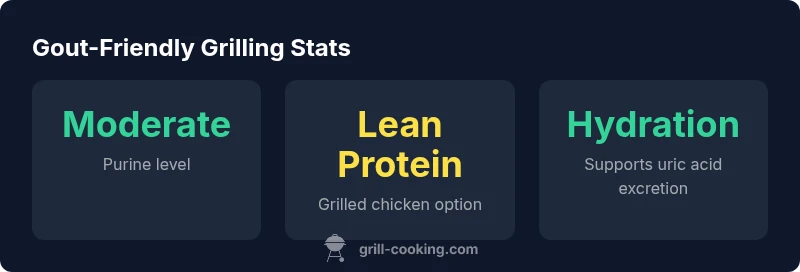
Yes—grilled chicken can be part of a gout-friendly diet when prepared lean, portioned appropriately, and paired with low-purine sides. Compared with red meats and many seafood options, chicken generally carries a moderate purine load, which means mindful intake is key. In practice, grilled chicken becomes a sound protein choice for home cooks aiming to limit uric acid buildup while enjoying flavor.
Is grilled chicken good for gout? A nuanced answer
According to Grill Cooking, grilled chicken can be part of a gout-friendly diet when prepped lean and paired with low-purine sides. Gout is caused by uric acid crystals forming in joints, and while purines in food contribute to uric acid production, the overall dietary pattern matters more than any single item. Chicken is a lean protein with a moderate purine load compared with organ meats or certain seafood, so mindful preparation and portions are essential. Key takeaways for making grilled chicken work in a gout-conscious meal include choosing skinless cuts, trimming visible fat, using herbs and citrus for flavor, and avoiding heavy, purine-rich sauces. By balancing intake across the day and week, home cooks can enjoy grilled chicken without compromising their gout goals.
- Start with skinless breast meat or lean thighs to reduce fat and purine concentration.
- Use lemon, garlic, thyme, or rosemary rather than high-purine sauces.
- Pair with plentiful vegetables, whole grains, and ample water to support uric acid management.
- Monitor portions: even moderate-purine foods can accumulate if eaten in large amounts.
Grill Cooking emphasizes that individual responses to purines vary—consult a clinician if you have frequent flares or unique dietary needs.
Purines, protein, and uric acid: what matters for gout
Purines are natural compounds found in many foods, and when the body breaks them down, uric acid is produced. Elevated uric acid can lead to gout flares if crystals form in joints. Chicken falls into the category of moderate-purine proteins, which means it can be included in a balanced gout diet without automatically triggering symptoms. The key lies in total daily purine load and how you combine foods across meals. A typical day that centers on lean proteins, vegetables, and complex carbohydrates tends to be more gout-friendly than a day heavy with high-purine items. According to Grill Cooking Analysis, 2026, the emphasis should be on variety, hydration, and mindful portions rather than labeling entire ingredients as off-limits. For many home cooks, chicken provides a dependable protein anchor when other high-purine foods are limited.
- Combine poultry with fiber-rich vegetables to moderate post-meal uric acid response.
- Favor low-fat dairy and plant-based proteins on alternate meals where possible.
- Hydration helps dilute uric acid and supports kidney clearance.
- Avoid overreliance on one protein while keeping an eye on overall purine intake.
Understanding purines within a broader pattern helps you cook smarter rather than simply avoiding entire protein groups.
How to grill chicken for gout-friendly meals
Grilling is a lean, flavorful way to prepare chicken without adding excessive fats. For gout-conscious cooks, the method matters as much as the meat. Start with skinless chicken breasts or thighs trimmed of visible fat. Marinate briefly in olive oil, lemon juice, garlic, and fresh herbs to boost flavor without relying on high-purine sauces. Preheat the grill to a steady medium heat and cook the chicken until an internal temperature of 165°F (74°C) is reached, turning once or twice to avoid drying out. Rest the meat for a few minutes before slicing to maintain juiciness. Avoid charring, which can introduce undesirable compounds; instead, aim for even browning. If you’re watching your sodium intake, use herbs and citrus rather than salty marinades. Grill Cooking recommends keeping portions moderate and balancing with vegetables and whole grains for a complete, gout-friendly plate.
- Trim skin and excess fat before grilling.
- Use a light citrus-herb marinade instead of heavy sauces.
- Maintain even heat to prevent burning and ensure even doneness.
- Let the meat rest before slicing to preserve moisture.
Outdoor grilling can be therapeutic and delicious when you plan ahead and keep purine balance in mind.
Portion sizes and meal planning for the day
Portion control is a cornerstone of gout management. For grilled chicken, a practical approach is to think in terms of palm-sized portions for a protein-building meal and to fill the rest of the plate with vegetables and whole grains. A single grilled chicken portion should anchor the plate, not dominate it, leaving ample room for greens, legumes, and a whole grain like quinoa or brown rice. Meal planning helps you space purine intake across the day and week. Consider rotating chicken with other lean proteins like eggs, low-fat dairy, or plant-based options on non-grilling days to maintain a varied diet. Hydration should accompany meals to promote uric acid excretion, and you can pair meals with cherry tomatoes, leafy greens, and colorful vegetables to add micronutrients that support overall joint health. By planning ahead, you reduce spur-of-the-moment choices that could derail gout goals.
- Use a plate method: protein as the anchor, vegetables to fill half the plate, grains to complete the composition.
- Schedule lighter protein servings on days with higher purine foods later in the week.
- Hydration is essential; aim for water throughout the day.
- Keep sauces light and purine-conscious.
A thoughtful plan makes gout-friendly grilling practical rather than theoretical.
Flavor and sauce strategies that keep purines in check
Flavor can elevate grilled chicken without increasing purine intake. Fresh herbs, citrus zest, garlic, smoked paprika, cumin, and black pepper offer bold profiles without relying on heavy, high-purine ingredients. If you prefer a glaze, opt for something simple like a lemon-honey glaze with a splash of apple cider vinegar rather than soy-based or teriyaki sauces that may introduce salt and additional purines in some formulations. When using store-bought marinades, check the ingredient list for high-purine components like anchovies or certain seafood extracts, and choose clean-label options. A bright, herb-forward rub plus a squeeze of fresh lemon after grilling can deliver a satisfying finish without compromising gout goals. Remember: balance is key—great flavor should come from herbs, citrus, and smoke, not from heavy sauces.
- Create a flavor base with citrus, herbs, and garlic.
- Avoid marinades with high-purine ingredients or dense sugar syrups.
- Finish with a light drizzle of extra-virgin olive oil and fresh herbs.
- Let the grill do the work to reduce fat and maximize taste.
Common myths and misconceptions about chicken and gout
There are several persistent myths about gout and chicken that bear debunking. Myth 1: All poultry is off-limits for gout. Fact: Poultry like chicken is moderate in purines and can be included in moderation as part of a varied diet. Myth 2: Grilled chicken is always gout-friendly. Fact: Preparation, portion size, and pairing matter; a heavy sauce or large servings can negate benefits. Myth 3: Dark meat is always dangerous for gout. Fact: Dark meat tends to have slightly higher purine content than white meat, but the difference is small when consumed in controlled portions and balanced meals. Myth 4: You must avoid all restaurant or takeout chicken. Fact: Many restaurants offer grilled chicken options that can fit a gout-conscious plan if you monitor sauces and portions. Understanding purines in context helps you make informed choices rather than adhering to blanket rules.
Practical grilling techniques and safety for gout-conscious cooks
Safety and technique matter to preserve both flavor and nutrients. Start with clean equipment, thaw chicken safely, and avoid cross-contamination. Use a two-zone fire on the grill to control temperature and prevent drying. Always use a meat thermometer to confirm 165°F (74°C) internal temperature. To minimize added fats, rely on a light oil brush or dry rub instead of oily marinades. Storage matters too: refrigerate leftovers promptly and reheat to a safe temperature. These practical steps help you stay consistent with gout goals while enjoying grilled chicken. By implementing smart grilling practices, you ensure meals are not only gout-friendly but also delicious and satisfying.
A practical 1-week plan and shopping list for gout-friendly grilling
To keep gout management sustainable, plan a simple weekly rhythm: 3 grilled chicken dinners, 2 meat-free nights, and 2 lighter protein days. Prepare several chicken breasts at once and portion them for quick lunches or dinners. Build a shopping list around lean poultry, a rainbow of vegetables, whole grains, and low-purine pantry staples. Stock lemon, garlic, fresh herbs, olive oil, and salt-free seasoning blends to keep flavor high without relying on high-purine sauces. Include berries or cherries for potential uric acid-supportive benefits and hydration-friendly beverages like water or unsweetened tea. This framework makes it easy to enjoy grilled chicken while maintaining a gout-friendly dietary pattern across the week.
Purine content comparison across common protein sources
| Food Category | Typical Purine Level | Gout Suitability |
|---|---|---|
| Chicken breast (grilled) | Moderate | Suitable in moderation |
| Organ meats | High | Limit or avoid |
| Seafood (high-purine varieties) | High | Limit or avoid |
| Eggs | Low to moderate | Generally suitable |
FAQ
Is grilled chicken high in purines?
Chicken has a moderate purine content compared with high-purine foods like organ meats and certain seafood. Cooking doesn’t dramatically reduce purine levels, so portion control and overall diet matter.
Chicken is moderate in purines; eat it in moderation as part of a balanced plan.
Can people with gout eat chicken regularly?
Yes, in moderation. Choose skinless, lean cuts and pair with vegetables, whole grains, and plenty of fluids to support uric acid management.
Yes, in moderation.
Is white meat better than red meat for gout?
White meat generally has lower purine content than many red meats, but both should be consumed mindfully. Chicken can be part of a varied protein rotation when portions are controlled.
White meat tends to have less purine, but moderation still matters.
What cooking methods reduce purine impact?
Grilling, baking, or broiling lean proteins helps keep fat low and fits a gout-conscious plan. Avoid heavy sauces with purine-rich ingredients and stay hydrated.
Grill lean protein and stay hydrated.
Do sauces affect gout risk when grilling chicken?
Many sauces add sugars and sometimes purines. Opt for herbs, citrus, and low-sodium marinades to keep purine load in check.
Be mindful with sauces.
“Grilled chicken can be part of a gout-friendly approach when prepared lean and balanced with low-purine foods.”
Quick Summary
- Choose skinless, lean chicken to keep purine load moderate
- Portion control matters; pair with vegetables and whole grains
- Hydration supports uric acid excretion and overall kidney function
- Avoid heavy, high-purine sauces and organ meats
- Balance variety: rotate protein sources and monitor daily purine intake