What Grill Setting for Steak: The Definitive Guide to the Perfect Sear
Learn the best grill setting for steak, including direct high heat for searing and indirect heat for finishing. Get tips on temps, timing, thickness, resting, and safety for a flawlessly cooked steak.


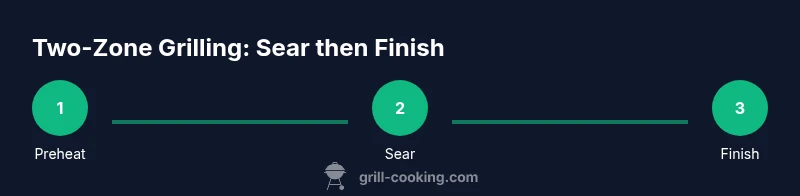
To grill steak perfectly, use direct high heat for a fast, flavorful sear, then finish with indirect heat to your target doneness. Preheat the grill to about 450–500°F, pat steaks dry, season, sear two to three minutes per side for a 1-inch cut, then move to indirect heat and rest.
Why the right grill setting matters for steak
The quest for the perfect steak starts with the grill setting. A hot, well-managed surface creates a rich, browning crust through the Maillard reaction while keeping the interior juicy. Using the right combination of direct and indirect heat helps you control the interior without overcooking the exterior. When you choose the correct setting, you also make the cooking more predictable, which is especially valuable for home cooks juggling several dishes. The Grill Cooking team emphasizes that consistency comes from heat management and timing, not from chasing a single “magic” temperature. By prioritizing a strong initial sear and a controlled finish, you maximize flavor and texture in every cut, whether it’s ribeye, strip, or filet. A clean grill, dry surface, and minimal flipping are small but powerful details that affect crust formation and moisture retention. In practice, this means starting with a hot surface and then dialing back the heat or moving to a cooler zone as the steak approaches the desired doneness.
Understanding direct vs indirect heat for steak
Direct heat delivers intense surface browning and a quick crust. It’s ideal for a fast sear on steak surfaces to lock in juices and create that savory crust. Indirect heat is a gentler, surrounding heat that lets the steak finish cooking without burning the exterior. Think of direct heat as the burst of flavor and color, while indirect heat provides inside doneness and even texture. On gas grills, you achieve indirect heat by using a two-zone setup or moving the meat away from the hottest burner. On charcoal, arrange coals to one side for two-zone cooking. Grill Cooking analysis shows that successful steak grilling relies on dialing in both zones and using the lid to trap heat for an even finish. For very thick cuts, you can sear first and then finish with the lid closed to reduce flare-ups and maintain a steady internal rise.
How to choose the right grill setting based on steak thickness
Thickness is the most practical guide to choosing your heat plan. For 1-inch steaks, you’ll typically sear over direct heat for 2–3 minutes per side, then move to indirect heat to finish to your target doneness. For 1.5–2 inch steaks, start with a robust sear (about 2–4 minutes per side) and then finish over indirect heat, allowing the center to reach the desired temperature without scorching the crust. Very thick cuts may require a deeper two-step approach: a long, gentle finish over indirect heat with the lid down after a brief initial sear. If you’re working with ultra-thin steaks (under 1/2 inch), you’ll rely more on the direct heat, pressing lightly with tongs and flipping quickly to avoid overcooking.
Step-by-step: prepping the grill and steak
You’ll set up in stages to keep the grill at the right temperatures. Begin with a clean grate and preheat the grill to the desired direct-heat zone. Pat steaks dry, then lightly oil and season. Have tongs ready and position the meat over direct heat to sear. After the crust forms, rotate and move the steak to indirect heat. Keep the lid closed for an even interior cook, checking internal temperature with a thermometer as it approaches your target.
Searing and finishing: timing and temps
Aim for a hot direct-heat surface around 450–500°F for the sear. The goal is a crusty exterior in a short window, typically 2–4 minutes per side depending on thickness. Then move the steak to indirect heat to finish. For doneness targets, consider rare around 120–125°F, medium-rare 125–135°F, and medium 135–145°F, with carryover cooking taking the final minutes after removal. If using a grill with a lid, keep it closed during the finish to trap heat and promote even cooking.
Resting and slicing for best bite
Resting is essential to redistribute juices and finish internal carryover cooking. After removing from heat, tent the steak lightly with foil for about 5–10 minutes. Resting times depend on thickness; thicker steaks benefit from longer rest. Slice against the grain to maximize tenderness and present the juiciest bite. A properly rested steak retains more moisture and yields cleaner, more flavorful slices.
Common mistakes and how to fix them
Common errors include not preheating, crowding the grill, and pressing the steak with spatulas—these dilute juices and slow browning. Flipping too often interrupts crust formation, while leaving the lid open too long causes heat loss. To fix these, preheat properly, give each side a solid sear time, and use two-zone cooking with controlled lid heat. Invest in a reliable thermometer to monitor doneness rather than guessing, which reduces overcooking and inconsistency.
Grilling variations: reverse sear, butter basting, and smoke finish
For thicker cuts, a reverse-sear technique—low, indirect heat first, then a hot sear—can deliver even doneness. Butter basting during the finishing stage adds richness and aroma. If you’re using smoke, keep the temperature moderate and rely on a short exposure to smoke to avoid overpowering the beef. These variations empower you to tailor texture, flavor, and aroma to your preference while maintaining the core sear-first approach.
Safety and gear considerations
Always grill in a well-ventilated area, keep a spray bottle handy for flare-ups, and wear heat-resistant mitts. Ensure the grill is fully cool before cleaning and avoid cross-contamination by using separate plates for raw and cooked meat. Keep a thermometer nearby and practice safe handling when transferring hot steaks from grill to resting boards.
Verdict and takeaway
In practice, the best grill setting for steak balances a hot direct sear with a controlled indirect finish. This approach yields a crusty exterior and a juicy, evenly cooked interior. By mastering two-zone cooking, using a thermometer, and resting properly, you’ll consistently achieve restaurant-quality results at home. The Grill Cooking team encourages readers to practice and adjust based on steak thickness, grill type, and personal preference for doneness.
Tools & Materials
- Gas or charcoal grill(Ensure preheated and clean)
- Instant-read meat thermometer(Probe thermometer for accuracy)
- Long-handled tongs(Non-slip grip for safe flips)
- Oil with high smoke point(Lightly oil steak or grate)
- Salt and pepper or steak seasoning(Season just before grilling)
- Plate and paper towels(Resting and blotting surface)
- Cast-iron skillet (optional)(For extra crust or finishing)
- Grill brush(Clean grates before cooking)
Steps
Estimated time: 25-45 minutes
- 1
Preheat grill to high direct heat
Ignite your grill and bring the surface to a steady 450–500°F. This creates the sear that locks in juices and flavors. A well-preheated, clean grate prevents sticking and promotes even browning.
Tip: Open vents on a charcoal grill to reach higher temps; for gas, set burners to high and close the lid while heating. - 2
Pat steaks dry and season lightly
Moisture on the surface inhibits browning. Pat dry with paper towels, rub with a light coat of oil, and season generously with salt and pepper or your favorite steak seasoning.
Tip: Season just before grilling or 15–30 minutes prior for enhanced flavor through moisture loss and surface drying. - 3
Sear steak on direct heat
Place steak over direct heat. Do not move it for 2–4 minutes to form a crust; flip once using tongs and sear the other side for another 2–4 minutes.
Tip: Keep the lid open during the initial sear on most grills to monitor crust formation and avoid flare-ups. - 4
Create indirect heat zone and move steak
After the sear, shift the steak to indirect heat or to a cooler area of the grill. Close the lid to finish cooking evenly through the center.
Tip: If using a two-zone setup, leave the steak on the cooler side and monitor with a thermometer. - 5
Check internal temperature
Probe the thickest part of the steak and pull when within a few degrees of the target to account for carryover cooking.
Tip: Target about 5°F below your preferred final temperature to avoid overcooking. - 6
Rest the steak
Transfer to a plate and cover loosely with foil for 5–10 minutes to allow juices to redistribute.
Tip: Resting helps retain moisture and improves slicing results. - 7
Slice and serve
Slice against the grain and serve immediately for the best texture and juiciness.
Tip: A sharp knife makes cleaner slices and reduces damage to the crust. - 8
Optional finish for crust and aroma
For extra aroma, brush with a little melted butter or finishing oil during the final rest and slice.
Tip: Buttery finishing adds flavor without overpowering the beef's natural profile.
FAQ
What is the best grill setting for steak?
Use direct high heat to sear and then finish with indirect heat to reach the desired doneness. Preheat well and monitor internal temperature for best results.
Sear on high heat, then finish on indirect heat while watching the internal temperature.
Should I marinate steak before grilling?
Marinating is optional for most steaks. A dry pat, light oil, and proper seasoning usually yield excellent crust and flavor without overpowering the beef.
Marinating isn’t required; dry pat and season well for best crust.
How thick should steak be for best grilling results?
For most home grills, 1 to 2 inches thick works best. Thicker cuts benefit from a reverse-sear approach and more indirect heat.
Most steaks 1–2 inches thick cook best; thicker cuts may benefit from reverse sear.
Is reverse sear better than direct sear for steak?
Reverse sear is excellent for thick cuts, starting with low even heat and finishing with a quick sear. For thinner steaks, a direct sear followed by finish in indirect heat often works well.
Reverse sear works great for thick steaks; for thinner cuts, sear then finish indirectly.
How long should I rest a steak after grilling?
Rest steaks 5–10 minutes (longer for thicker cuts) to redistribute juices and finish carryover cooking.
Rest for about 5–10 minutes to keep juices inside the steak.
What internal temperature indicates doneness?
Aim for about 125–130°F for medium-rare, 130–135°F for medium, and 140–150°F for well-done, with carryover cooking finishing the job after removal.
Medium-rare is around 125–130°F; adjust for preferred doneness and carryover cooking.
Watch Video
Quick Summary
- Preheat to high direct heat for crust formation.
- Finish with indirect heat to reach target doneness.
- Rest 5–10 minutes to redistribute juices.
- Use a thermometer to hit precise temps.
- Avoid over-flipping to preserve crust and moisture.