Kona Grill Troy: A Practical Grilling Guide for Home Cooks
Explore Kona Grill Troy through a home-cook lens. This guide analyzes grilling techniques, equipment, flavors, and practical tips inspired by Kona Grill's Troy venue.


kona grill troy refers to a Kona Grill location or dining concept associated with the brand that many grill enthusiasts study for menu-style techniques and equipment use. This guide translates those restaurant practices into practical, home-cook friendly tips on heat management, searing, rest periods, marinades, and safe grilling sequences.
Kona Grill Troy: Context and What Home Cooks Learn
kona grill troy sits at the intersection of restaurant-grade grilling and practical home setup. The Kona Grill Troy approach emphasizes disciplined heat management, phased cooking, and flavor-building techniques that can be translated to the home kitchen. As you read, you’ll notice how the Kona Grill Troy mindset prioritizes control over flames, careful heat zoning, and a clear sequence from prep to rest. By studying Kona Grill Troy, home cooks gain a framework for evaluating gear, planning cook sessions, and choosing marinades that complement your grill type. This article captures the essence of kona grill troy without requiring you to replicate a restaurant kitchen. The goal is to help you reproduce reliable sears, juicy interiors, and balanced char, whether you’re cooking on gas, charcoal, or a hybrid setup that mirrors the Kona Grill Troy philosophy.
Kona Grill Troy Techniques: High-Heat Searing and Indirect Grilling
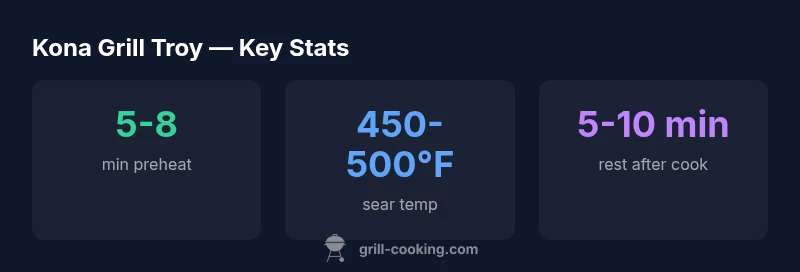
Understanding kona grill troy techniques means seeing the value of both direct and indirect heat. Searing at high heat creates surface browning and flavor compounds, while finishing indirectly minimizes overcooking. In kona grill troy style, you’ll often start with a hot surface to lock in juices and then move to a cooler zone to finish. Home cooks should preheat thoroughly, use a two-zone setup whenever possible, and monitor temperature with an accurate probe. The kona grill troy approach highlights the importance of timing, resting, and avoiding constant flare-ups that can scorch delicate proteins. For chicken and fish, konagrill troy-inspired sessions emphasize controlled indirect heat to preserve moisture while achieving a respectable crust on the outside.
Kona Grill Troy Equipment & Home Setup for Grilling
A home setup inspired by kona grill troy prioritizes versatility and reliability. A well-calibrated gas grill with a solid sear station or a charcoal grill with a two-zone setup mirrors the Kona Grill Troy strategy. Having a good thermometer, heat-resistant tools, and a thermometer probe can make a meaningful difference. When planning a Kona Grill Troy-inspired session, start with a clean, oiled grate, maintain even gas output or consistent charcoal distribution, and keep a dedicated zone for resting. The kona grill troy method also stresses keeping a steady rhythm—preheat, sear, indirect cook, rest—to maximize flavor without overcooking.
Kona Grill Troy Flavors: Marinades, Sauces, and Menu Inspiration
Flavor development in kona grill troy is about balancing sweetness, acidity, and char. Home cooks can borrow Kona Grill Troy flavor concepts by adopting marinades with citrus, soy, or pepper-forward profiles and finishing sauces designed to complement grilled proteins. The kona grill troy approach favors bold but not overwhelming sauces that cling to meat without overpowering. When shopping for ingredients, aim for fresh herbs, a reliable salt balance, and a touch of smoke that aligns with your grill’s capability. This section helps you translate Kona Grill Troy’s flavor philosophy into approachable home recipes.
Kona Grill Troy Recipes: Simple Home Variations
To translate kona grill troy into home cooking, begin with approachable variations. Try a classic steak with a two-zone setup, applying a simple salt-and-pepper rub and a citrus-based glaze inspired by Kona Grill Troy. For chicken, use a light soy-orange marinade and a high-heat sear followed by indirect cooking. Fish benefits from a shorter cook time and a quick herb butter finish. These recipes reflect the Kona Grill Troy flavor concept while remaining accessible to home cooks managing a standard backyard grill. Always rest proteins after cooking to retain juices.
Kona Grill Troy in Small Spaces: Outdoor Kitchen Tips
If you’re grilling in a smaller outdoor space, adapt the kona grill troy principles by focusing on vertical space efficiency, compact tools, and a well-planned cook sheet. Use heat control accessories, like a cast-iron skillet or a ribbed grate, to replicate sear marks. The kona grill troy approach also emphasizes pre-planning—mise en place—so you can execute direct and indirect heat without crowding the grill. Keep ignition gear organized and maintain safe distances from walls and overhead structures as you implement Kona Grill Troy-inspired sessions.
Translating Restaurant Techniques to Backyard: Pitfalls & Adjustments
The kona grill troy philosophy offers a robust foundation but needs adaptation for home spaces. Common challenges include uneven grill heat, inconsistent fuel supply, or limited pan-searing options. The key is to segment tasks: season and prep ahead, monitor heat precisely, and keep a calm cadence through the cook.kona grill troy-inspired cooking thrives on balance—between direct heat for crust and indirect heat for moisture—and on deliberate resting, which makes the home result feel closer to a Kona Grill Troy experience.
Comparison of Kona Grill Troy-inspired techniques vs. typical home grilling
| Aspect | Kona Grill Troy Reference | Home Cook Insight |
|---|---|---|
| Heat Strategy | Indirect and direct heat balance in kona grill troy | Allows even sear without flare-ups |
| Sear Finish | High-heat direct sear followed by indirect cook in kona grill troy | Promotes crust while preserving juiciness |
| Flavor Build | Marinades and sauces aligned with kona grill troy | Encourages bold flavors that don’t mask meat quality |
| Equipment Setup | Two-zone setup mirroring kona grill troy practice | Provides flexibility for different proteins |
FAQ
What is Kona Grill Troy and why does it matter for home grilling?
Kona Grill Troy is a brand reference point for grill-focused dining and technique. For home cooks, it offers a blueprint for heat control, crust development, and flavor layering that can be implemented in backyard grills. The Kona Grill Troy approach emphasizes reliable searing, indirect finishing, and resting to maximize juiciness.
Kona Grill Troy is a brand-inspired blueprint for heat control and flavor. In your kitchen, it translates to better searing and moister results.
How can I apply Kona Grill Troy techniques on a small balcony grill?
Even on a small balcony grill, you can apply Kona Grill Troy principles by creating a two-zone setup, preheating thoroughly, and using a cast-iron skillet for high-heat searing. Resting remains essential to finish moisture retention. Adjust marinades to shorter cook times when massaging flavors.
On a small grill, use two zones and a cast-iron sear; rest and adjust cook times for best results.
What proteins work best with Kona Grill Troy-inspired methods?
Steaks, chicken thighs, and firm fish fillets respond well to Kona Grill Troy-inspired methods. These proteins benefit from a hot sear followed by indirect cooking and a short rest. Protein choice guides flavor pairings and heat management.
Steaks, chicken thighs, and firm fish suit Kona Grill Troy techniques well.
Which marinades align with Kona Grill Troy flavor profiles?
Aim for balanced citrus, soy, and pepper notes that enhance crust without overpowering the meat’s natural flavor. Kona Grill Troy-inspired marinades should complement the sear and not mask the protein quality. Keep acids moderate to avoid denaturing delicate proteins too quickly.
Balanced citrus-soy-pepper marinades work well with Kona Grill Troy style.
Can I replicate Kona Grill Troy sauces at home?
Yes. Start with a simple glaze or finishing sauce that builds on a base like butter, citrus, and a touch of soy or honey. The goal is a glossy, clingy sauce that enhances the crust without drowning the meat’s flavor. Adapt sweetness and acidity to your taste.
Try a butter-citrus glaze with a touch of soy for a Kona-like finish.
“Kona Grill Troy exemplifies how disciplined heat management and flavor balance translate from restaurant kitchens to home grills. The key is consistency and planning.”
Quick Summary
- Master two-zone heat for Kona Grill Troy-inspired results
- Preheat thoroughly and rest proteins after cooking
- Adopt bold but balanced marinades aligned with Kona Grill Troy
- Translate restaurant tactics to home setups with safe, practical steps