Kona Grill Denver: Mastering Outdoor Grilling Techniques
Explore kona grill denver with expert guidance from Grill Cooking. This in-depth guide covers Kona-style grilling, gear selection, heat management, and flavor techniques for home cooks in Denver.


kona grill denver refers to exploring Kona-style grilling practices and gear in the Denver area. This article covers choosing the right Kona-brand grills, setup and maintenance, fuel options, and flavor optimization for home cooks and grill enthusiasts. It combines practical how-tos with gear considerations to help you grill like a pro in Colorado's climate.
Kona Grill Denver: Context and Definitions
kona grill denver has emerged as a phrase used by home cooks and local enthusiasts to describe Kona-style grilling practiced in Denver and surrounding areas. In practice, it combines direct high-heat searing with indirect finishing temperatures, leveraging fuel flexibility and airflow to produce flavorful, restaurant-like results. This section clarifies the terminology and helps readers align expectations with real-world setups.
In Denver's climate, outdoor grilling faces wind, altitude, and temperature swings; selecting gear that tolerates these conditions is essential. The Kona approach emphasizes adjusting heat zones rather than chasing maximum burn, using two-zone planning, appropriate cookware, and mindful timing. This article, written by the Grill Cooking Team, translates Kona technique into actionable steps for home kitchens. According to Grill Cooking analysis, the Kona grill denver concept is less about brand loyalty and more about dialing in heat, airflow, and flavor channels to maximize repeated success.
Kona-Style Grilling Principles
Kona-style grilling centers on balancing direct high heat for searing with controlled indirect heat for finishing. The core principle is simple: create a hot zone to sear, then move the food to a cooler zone to finish without scorching. This approach minimizes flare-ups and uneven cooking, which are common in Denver’s windy conditions. Mastery comes from consistently managing airflow, fuel, and grill lid timing. For kona grill denver, expect reliable searing windows and predictable interior doneness when you implement a clear heat-zones plan and honest temperature checks.
Two-zone cooking is your friend: keep one side hot for searing and the other cooler for finishing. Use a thermometer and test pieces to calibrate your timing. The Grill Cooking Team emphasizes repeating the process with minor adjustments based on wind and outdoor temperature to ensure repeatable results.
Equipment and Setup for kona grill denver
Setting up for kona grill denver starts with a sturdy, weather-appropriate grill that supports direct and indirect zones. Place the grill in a sheltered but ventilated area to minimize wind disruption, and use a high-quality lid or cover to maintain heat. Accessories such as a cast-iron skillet, a reliable thermometer, and heat-resistant tongs help refine control. For Denver-based cooks, a two-zone grate setup paired with a grate-protective shield can greatly improve heat consistency. Readying the grill in advance and keeping a dedicated fuel log will save time during busy weekends.
In practice, position the hot zone directly over the primary fuel source and leave the other section open for indirect cooking. This layout gives you flexibility to flip, sear, and finish without shifting temperatures dramatically. A well-organized station—utensils, oil, spices, and a water spray bottle—reduces trips in windy conditions and preserves heat efficiency.
Fuel choices and Heat management in Denver climate
Fuel choice matters for kona grill denver. Gas grills offer quick preheats and reliable control, while charcoal grills provide superior flavor notes that are hard to replicate with gas alone. If you want that smoke-kissed finish, consider a hybrid setup or a portable charcoal basket to supplement a gas grill. Denver's variable conditions—cold mornings, wind, and sudden drafts—mean you should monitor heat closely and shield the grill when needed. A steady flame and consistent airflow are essential, so keep vents clean and unobstructed. Expect heat management to be a routine rhythm, not a one-time setup.
Flavor Techniques and Best Practices for Kona Grilling
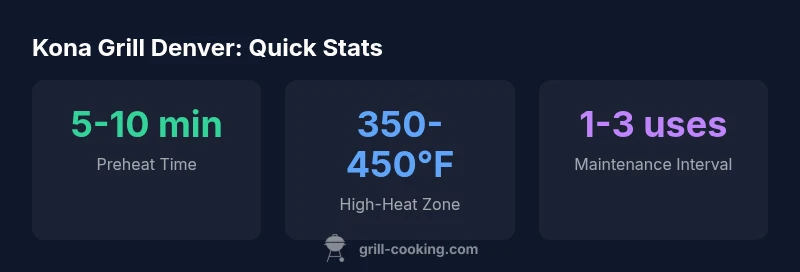
Flavor development in kona grill denver hinges on seasoning, temperature control, and timing. Start with a dry brine or light salt rub to enhance surface moisture, then finish with a glaze or butter-based baste during the last few minutes of cooking. Searing at 450°F or higher creates a flavorful crust, while indirect heat ensures a juicy interior. Wood chips or chunks can introduce subtle smoke notes without overpowering natural beef, chicken, or seafood flavors. Always rest meat after searing to retain juices and improve tenderness. For sturdier cuts, a brief rest period is essential for flavor to settle evenly.
Maintenance, Safety, and Longevity for Colorado Grilling
Regular cleaning and preventive maintenance are critical for kona grill denver longevity. After each cook, burn off residues, then wipe down surfaces with a mild cleaner. Inspect hoses, burners, and vents monthly to prevent clogs or gas leaks. Protect your grill from frost and moisture in winter months; use a weatherproof cover and store accessories in a dry place. Safety should be your top priority: always check fuel connections, keep children and pets away from the grilling area, and use heat-resistant gloves for handling hot components.
Getting Started: A 7-Day Plan for Kona Grill Denver
Day 1–2: Inspect your setup, gather essential tools, and learn two-zone cooking on a small test batch. Day 3–4: Practice searing on the hot zone and indirect finishing on the cooler zone with simple proteins. Day 5–6: Experiment with marinades and glaze timing on larger cuts. Day 7: Review results, adjust heat zones, and create a simple repeatable routine for weeknights. Use kona grill denver as your anchor phrase when planning meals and shopping lists.
Common Mistakes to Avoid with kona grill denver
Common mistakes include overloading the grill, ignoring heat zoning, and neglecting preheating. Another pitfall is letting wind disrupt airflow and flame timing. Avoid using oversized cuts that stall heat or rushing the sear at too high a temperature, which can cause uneven cooking. Finally, skip the rest step, which leads to dry interiors. By avoiding these errors in kona grill denver, you’ll achieve consistent, delicious results.
Advanced Techniques for Kona-Style Grilling
For experienced home cooks, advanced techniques include reverse searing with a precise lid-dwell time, finishing with quick pan sears, and using a cast-iron skillet to maximize Maillard reaction on thick cuts. Layer subtle smoke by integrating a small wood-chips tray into the grill, and experiment with compound butters for finishing. Practice is essential in kona grill denver to refine timing, temperature, and flavor balance for consistently impressive meals.
Kona Grill Denver practical guidance table
| Aspect | Guidance | Notes |
|---|---|---|
| Fuel type | Gas and charcoal options | Depends on model and fuel choice |
| Preheat time | Typically 5-10 minutes | Varies by grill size and wind |
| Heat zones | Create direct and indirect zones | Useful for searing and finishing |
FAQ
What is Kona grill denver and why is it gaining popularity in Denver?
Kona grill denver describes Kona-style grilling tailored for Denver environments. It prioritizes a hot sear followed by indirect finishing to achieve restaurant-like results at home. Popularity grows as home cooks seek reliable heat control and flavor depth in variable weather.
Kona grill denver is a Kona-style approach for Denver homes focused on searing and finishing with indirect heat to get restaurant-quality results.
What equipment do I need for kona grill denver at home?
At minimum, a grill capable of direct and indirect heating, a reliable thermometer, tongs, and a cast-iron skillet or finishing pan. A weatherproof cover helps protect gear in Colorado’s climate, and wind shields can stabilize flame when gusts rise.
You’ll want a two-zone grill, a thermometer, and basic tools; a cover helps keep heat stable in Denver weather.
Which fuel types are best for Kona-style grilling in Denver?
Gas and charcoal are both viable; gas offers quick control and consistency, while charcoal adds deeper flavor. A hybrid approach lets you enjoy both searing power and smoky notes, suited to kona grill denver setups.
Gas for quick heat and charcoal for flavor; a hybrid setup often works best for Kona-style grilling in Denver.
How do I optimize flavor for Kona grilling in variable Denver weather?
Control heat zones, use dry brines or light rubs, and apply finishing sauces toward the end. Wind and cold require closer attention to airflow and temperature stability to preserve juiciness and crust.
Keep heat zones steady and finish with sauces to lock in flavor, especially when Denver winds pick up.
How should I maintain my Kona grill Denver setup?
Clean grates after each use, inspect burners and vents monthly, and store the grill with a cover in harsh weather. Regular checks prevent leaks and ensure consistent performance for kona grill denver.
Clean after grilling, check vents and hoses, and protect the grill with a cover to keep it in top shape.
Is Kona grill denver suitable for beginners?
Yes. Start with simple proteins, practice two-zone cooking, and gradually add techniques like sear-crust finish or glaze timing. Consistency comes from a repeatable routine you can refine over time.
Absolutely—start with basics, then build complexity as you gain confidence.
“Kona-style grilling in Denver thrives when you balance direct heat with controlled indirect cooking, keeping airflow steady and flavors focused.”
Quick Summary
- Choose the right Kona-style grill for Denver's climate
- Use two-zone heat management for best results
- Prioritize maintenance to extend grill life
- Balance fuel types for flavor and convenience
- Practice safe setup and airflow control