Is Grilling Better for You? A Health-Focused Comparison
Explore whether grilling is healthier. This in-depth comparison weighs health impacts, cooking methods, and practical tips to grill smarter at home for Grill Cooking's audience of home cooks and grill enthusiasts.


is grilling better for you? The quick answer is that grilling can be a healthier option when you manage heat, trim fat, and marinate to reduce harmful compounds. It often uses less added fat than frying and supports lean proteins and vegetables; however, charring and flare-ups can raise health risks if not controlled.
is grilling better for you
is grilling better for you is a nuanced question that depends on technique, ingredients, and your goals as a home cook. The Grill Cooking team has found that health outcomes improve when you prioritize lean proteins, vegetables, and careful heat control. This section sets the stage for a data-informed discussion that translates science into practical steps for everyday grilling. We’ll explore how fat content, marinade use, and cooking duration influence health, and how readers can balance flavor with safer practices in real-world kitchen settings.
Health mechanisms: HCAs, PAHs, and antioxidants
The formation of heterocyclic amines (HCAs) and polycyclic aromatic hydrocarbons (PAHs) is a central concern when grilling meat at high temperatures and with direct flame contact. HCAs tend to form as meat cooks quickly over intense heat, especially where there is charring. PAHs can arise when fats drip and flare, depositing on food. On the flip side, the body benefits from antioxidants found in herbs, spices, and vegetables, which can help mitigate oxidative stress generated during grilling. Grill Cooking Analysis, 2026 highlights that marinating meat, using acidic components like lemon juice or vinegar, and incorporating herbs such as rosemary or thyme can reduce HCAs and PAHs, while longer, indirect cooking reduces direct flame exposure. This section sets the foundation for actionable steps you can take in your own grill setup.
Direct heat vs indirect heat: what this means for health
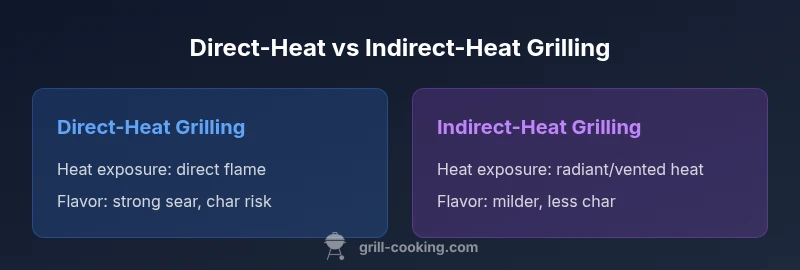
Direct-heat grilling exposes food to open flames and radiant heat, producing fast searing and strong grill marks. While this method is excellent for texture and flavor, it can increase the likelihood of surface charring if not monitored. Indirect-heat grilling moves food away from direct flames, using heated air or a barrier to cook more gently. This approach typically lowers flare-ups and reduces charring, which many researchers associate with lower formation of HCAs and PAHs. For health-minded cooks, a hybrid approach—start with a quick sear over direct heat, then finish with indirect heat—can balance flavor and safety. The choice between direct and indirect methods should reflect the cut, fat content, and cooking duration you’re aiming for.
Practical strategies to maximize health benefits
Healthy grilling isn’t about sacrificing flavor; it’s about smart technique and ingredient choices. Start by trimming visible fat and opting for lean cuts like skinless chicken breasts, pork loin, or flank steak, complemented by vegetables. Marinate proteins for at least 30 minutes; marinades with acidic components and herbs have shown reductions in harmful compounds. Use indirect heat for larger or tougher cuts, and avoid prolonged exposure to flames. Maintain moderate grill temperatures and avoid flare-ups by controlling oil, moisture, and fat drips. Pre-cook tougher meats slightly in the oven or microwave to reduce total grill time. Finally, incorporate a generous portion of vegetables and fruits to increase fiber and micronutrient intake while diluting the concentration of potentially harmful surface compounds on meat. This section provides a practical checklist you can apply to most grilling sessions.
When grilling isn't clearly better: limits and caveats
Grilling isn’t a universal health panacea. Processed meats and high-sodium marinades can negate some benefits, and excessive charring remains a risk even with indirect heat. Salt and sugar-based marinades may contribute more sodium or added sugars than you intend, so reading labels and choosing low-sodium options helps. Even with healthier techniques, grilling should be part of a varied diet that includes other cooking methods and plenty of plant-based foods. While some studies show health advantages in substituting fried meals with grilled options, results depend on food choice, portion sizes, and cooking practices. The Grill Cooking team emphasizes balance and moderation, especially for frequent grillers.
Real-world healthy grilling plan: sample menus
To put theory into practice, consider a weekly plan that alternates lean proteins with abundant vegetables. Example: Monday—grilled salmon with lemon-herb glaze and asparagus; Tuesday—skinless chicken thighs with peppers and zucchini; Wednesday—grilled portobello mushrooms and a quinoa salad; Thursday—steak fajita bowls with grilled onions and peppers; Friday—shrimp skewers with a big mixed salad. Each meal focuses on lean protein, fiber-rich vegetables, and minimal added fats beyond a small amount of olive oil for seasoning. Pair with whole grains like brown rice or barley and a side of fruit for dessert. This approach highlights flavor without over-reliance on high-fat cooking methods, aligning taste with health goals.
The big picture: decision factors for home cooks
When considering whether is grilling better for you, identify your priorities: speed, flavor intensity, or long-term health goals. If your priority is quick weeknight meals, direct heat with careful heat management and lean cuts can work well. If you aim to reduce surface charring and minimize harmful compounds, indirect heat and marinades become more important. Your cooking environment—gas vs charcoal, grill size, and cook space—also influences the choice. Finally, always pair grilled proteins with a generous share of vegetables and whole grains to create balanced meals. The overarching recommendation is to adopt a flexible, health-conscious grilling routine that emphasizes technique as much as ingredients.
Comparison
| Feature | Direct-Heat Grilling | Indirect-Heat Grilling |
|---|---|---|
| Heat exposure | Direct flame and bright heat on the surface | Heat from radiant or indirect sources away from direct flame |
| HCAs/PAHs risk | Higher if charring occurs due to intense flame | Lower with gentle heat and reduced char formation |
| Flavor/texture | Bold sear, grill marks, faster cook times | More even cooking, less surface char, subtler flavor |
| Best for | Small cuts, fast searing, bold flavor accents | Larger cuts, flexible temps, veggie-friendly |
| Ease of control | Requires active flame management and attention | Easier to maintain steady temperatures |
Strengths
- Direct-heat grilling delivers quick cooks and strong flavor
- Indirect-heat grilling lowers flare-ups and reduces charring
- Both methods support lean protein and vegetable options
Negatives
- Direct-heat can increase surface charring and related compounds when mismanaged
- Indirect-heat may require longer cook times and more planning
Indirect-heat grilling often offers safer health outcomes for typical home cooks, while direct heat excels at speed and flavor when carefully controlled
Choose indirect heat for safety and even cooking; use direct heat for quick sears if you monitor temperatures and avoid char.
FAQ
Is grilling healthier than frying?
Grilling can be healthier than frying because it often uses less fat and allows fat to drip away from the food. However, it can introduce HCAs and PAHs if overcooked or charred. The key is to use lean proteins, marinate, and avoid excessive charring.
Grilling can be healthier than frying if you trim fat and avoid charring. The main thing is to marinate and use indirect heat when possible.
Do charred bits cause cancer?
Charred bits can form HCAs and PAHs, compounds linked to cancer risk in some studies. The risk increases with high heat and longer cooking times. Using marinades, trimming fat, and finishing with indirect heat reduces these compounds.
Charred food can form harmful compounds, but you can minimize the risk with marinades and indirect cooking.
Does marinating reduce HCAs?
Yes. Marinades, especially those with acidic components and herbs, have been shown to reduce the formation of HCAs during grilling. Let proteins marinate before cooking to maximize the protective effects.
Marinating helps cut down harmful compounds, so consider a marinade before cooking.
Is charcoal grilling safer than gas grilling?
Both methods have health considerations. Charcoal can produce more flare-ups and soot, increasing surface charring, while gas grilling offers more consistent temps and fewer flare-ups. The safest approach is to combine indirect heat with lean ingredients and careful heat management.
Gas grills give more control and usually fewer flare-ups, but you can grill healthy with charcoal by using indirect heat.
What foods are best for healthy grilling?
Lean proteins like chicken breast, fish, and shellfish, paired with colorful vegetables, are excellent for healthy grilling. Avoid heavily processed meats and opt for marinades with herbs and citrus to boost flavor without added sodium or sugar.
Go for lean proteins and lots of veggies, with tasty marinades that aren’t full of salt.
How can I grill vegetables healthily?
Grill vegetables directly on the grill grates with a light coating of oil and seasonings. Indirect heat helps prevent scorching, and longer, gentler cooks preserve texture and nutrients. Finish with a squeeze of lemon for brightness.
Grill veggies with a light oil, use indirect heat, and add lemon for extra zing.
Should I pre-cook meat before grilling?
Pre-cooking can reduce total grilling time and lower the chance of overcooking and charring. A quick par-cook in an oven or microwave, followed by a brief finish on the grill, is a practical method for health-conscious cooks.
Par-cook first, then finish on the grill to limit char.
Quick Summary
- Prioritize indirect heat to reduce charring
- Marinate to lower harmful compounds
- Trim fat and choose lean cuts
- Grill a lot of vegetables to balance meals
- Keep grill temperatures moderate to minimize flare-ups