How to Grill on a Pellet Grill: Expert Guide
Master pellet grilling with our expert guide. Learn gear, pellet selection, two-zone cooking, temps, searing, safety, and maintenance for delicious, consistent results on every cookout.


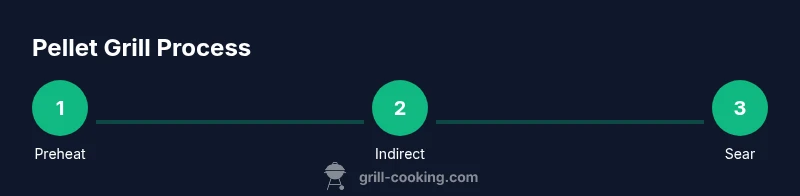
With a pellet grill you can both smoke and sear in one cooker. Preheat to 350–450°F, establish a two-zone setup (indirect cooking for most of the time, direct heat for searing), and monitor internal temps with a thermometer. Choose hardwood pellets for flavor, keep the lid closed, and avoid frequent lid opens for steady heat.
Why pellet grills excel for grilling
Pellet grills sit at the sweet spot between convenience and flavor. The combination of a controlled pellet-fed firebox and hardwood smoke yields reliable temperatures and a satisfying smoky profile without the hands-on babysitting that charcoal demands. According to Grill Cooking, the key is telemetry: you set a target temperature and the hopper feeds pellets to maintain it, while the enclosed chamber protects heat and moisture. This makes pellet grills especially friendly for home cooks who want consistent results on weeknights and weekend cooks alike. When you start, you’ll notice that the grill’s front-to-back heat distribution and the built-in thermometer help you track cooking progress without opening the lid. Because pellets burn predictably, you can experience steady temperature even if outdoor conditions shift slightly. A crucial tip is to use hardwood pellets that match your meat type: hickory for beef, apple or cherry for pork and poultry, with mesquite for a stronger bite. The result is a balance of smoke and searing power that is hard to replicate with other fuels. For beginners, this means less guesswork and more confidence as you learn two-zone cooking, direct searing, and rest times.
Essential gear and pellet selection
Your gear choices directly impact flavor, crust, and juiciness. Start with a quality pellet grill and a clean grates, then add a reliable meat thermometer, a sturdy pair of tongs, a grill brush, oil for light lubrication, and a spray bottle for minor flare-ups. Wood pellets are the fuel and the flavor; choose them to complement your protein—apple or cherry for chicken and pork, hickory for beef, and a fruit-wood blend for versatility. Store pellets in a dry place and keep a spare bag ready to avoid interruptions. The grill’s hopper should be filled with fresh pellets before you begin, and you should be mindful of pellet type and burn rate to keep smoke consistent. Avoid cheap, dusty pellets that leave ash and a dull flavor. A good habit is to rotate pellet bags and log your preferred brands for different proteins. These choices set you up for steady temps and predictable bark or crusts, which makes weeknight cooks feel effortless.
Prepping your pellet grill for cooking
Prepping your pellet grill starts with a clean slate. Remove any old ash from the burn pot, inspect the auger path for obstructions, and brush the grill grates. Preheat the grill with the lid closed to your target cooking temperature—usually 225–250°F for slow-smoking and 350–450°F for standard grilling and searing. Preheating ensures metal surfaces are hot enough to sear and that the temperature probe reads accurately. If your grill has a two-zone feature, set one zone for indirect heating and keep the other ready for high-heat searing. This step reduces flare-ups and ensures even cooking. While it heats, lightly oil the grates or brush with seasoned oil to help create a crust. Finally, confirm that the hopper is full and that the ambient temperature will not cause the grill to draft away heat.
Direct heat searing vs indirect cooking on a pellet grill
Pellet grills shine with indirect cooking but can deliver a great sear when you use direct heat. To two-zone, position the meat away from the flame zone and sear during the last minutes of cooking. If your model lacks a true two-zone system, achieve similar results by placing a cast-iron griddle or a second rack high above the main grate for direct heat, then slide food onto the hotter surface for a crust. Searing helps develop flavor compounds that don’t form as readily in indirect heat alone, while indirect cooking preserves moisture and prevents overcooking. For thicker cuts, start indirect to bring the interior to near target and finish with a brief sear. The key is avoiding prolonged exposure to direct heat, which can dry out lean proteins. Keep a close eye on the meat’s internal temperature so you can stop right as you reach your target.
Temperature targets for common proteins
Reliable temps are essential. For poultry, cook to a minimum internal of 165°F. Pork is safe at 145°F with a 3-minute rest. Beef doneness varies: 125–135°F for rare to medium-rare, 135–145°F for medium, and higher for well-done. Use an instant-read thermometer to check internal temps in the thickest part of the cut, away from bone. After reaching the target, rest meat for 5–10 minutes to redistribute juices. When grilling burgers, aim for 160°F for food safety and juiciness. For seafood, cook until opaque and firm, usually 120–145°F depending on thickness. Always err on the side of slightly lower temps than overcooking, since carryover cooking continues after removal from the grill. These targets help you harmonize smoke, crust, and tenderness while reducing guesswork.
Troubleshooting common pellet grill issues
If temps drift, check the hopper and auger for jams, ensure the lid seals properly, and confirm the temperature probe reads accurately. Windy outdoor conditions can affect stability; shield the grill or move it to a sheltered area. Pellets that burn too quickly indicate a heat setting higher than intended or poor airflow. Ash buildup can impede combustion, so clean the burn pot and grill grates regularly. If you notice uneven cooking, consider a two-zone setup or rotating the meat for even heat exposure. For flare-ups, spray a light mist of water or oil to calm flames and move food away from flames briefly. Finally, replace worn gaskets or door seals to maintain consistent heat.
Cleaning and maintenance after grilling
Wait for the grill to cool before cleaning. Remove ashes and wash the grates with warm, soapy water. Wipe down the interior with a damp cloth and re-oil the grates lightly. Check gaskets for wear and replace if necessary to preserve heat efficiency. Store pellets in a dry place to prevent moisture absorption. Periodically inspect the hopper, auger, and wiring for wear and tear. Schedule a deeper clean every 20–25 cookings or at the start of a new season. Proper maintenance extends the life of your pellet grill and keeps flavor consistent.
Flavor strategies and safety tips
Experiment with pellet wood varieties to tailor flavor—the same protein can taste different with apple, cherry, or hickory blends. For extra smoke, delay placing meat on the grill for a few minutes after preheating; this gives a concentrated first impression. If you like a stronger bark, apply a light sugar-based rub early in cooking and adjust the sugar level toward the end to prevent burning. Always use safe handling procedures: wash hands, sanitize utensils, and keep raw proteins separate from ready-to-eat foods. Fire safety is crucial: never leave a grill unattended when the hopper is near full and keep a safe distance from walls and overhanging branches. Following these flavor strategies and safety tips will help you enjoy robust smoky flavor with confident control over texture and moisture.
Tools & Materials
- Pellet grill(Ensure it forms a good seal and has a reliable hopper.)
- Wood pellets(Choose flavor profile to match meat; store in a dry place.)
- Meat thermometer (instant-read)(Insert into the thickest part of the meat.)
- Grill brush(Clean grates before cooking and after cooking.)
- High-heat cooking oil / spray(Light film on grates to prevent sticking.)
- Tongs and spatula(Prefer long handles for safety.)
- Fire-safe gloves(Optional but helpful for handling hot grates.)
Steps
Estimated time: 60-75 minutes
- 1
Preheat and prep grill
Clean the grate and empty any old ash. Fill the hopper with fresh pellets and preheat the grill with the lid closed to the target cooking temperature (usually 225–250°F for low-and-slow, or 450–500°F for searing).
Tip: Preheating stabilizes the grill and ensures accurate temperature readings. - 2
Season and prep meat
Pat meat dry, trim excess fat, and apply a light coat of oil. Season evenly with a dry rub or your favorite marinade. Let proteins rest at room temperature for 15–20 minutes before cooking.
Tip: Dry surfaces promote better browning and crust formation. - 3
Create two zones
If your grill supports it, set up a two-zone environment: a cooler indirect zone and a hotter direct-zone for searing. If not, place a cast-iron griddle on the main grate for direct searing.
Tip: Two-zone cooking stabilizes internal temps and improves crust without drying out meat. - 4
Cook indirect to target
Place meat on the indirect side and cook until the internal temp reaches 10–15°F below your final target. Keep the lid closed as much as possible to maintain consistent heat.
Tip: Rely on a thermometer rather than eyeballing temps. - 5
Sear over direct heat
Move meat to the direct heat zone or cast-iron surface and sear 1–2 minutes per side to develop a crust. Check for a deep crust and good color, then remove from heat.
Tip: A rapid sear locks in juices; don’t overshoot the internal temp. - 6
Rest and serve
Let meat rest for 5–10 minutes before carving to allow juices to redistribute. Slice against the grain for tenderness and plate with your favorite sides.
Tip: Resting is essential for juiciness.
FAQ
Can you grill directly on a pellet grill, or is it only for indirect cooking?
Both. Pellet grills can cook indirectly for most of the time and sear over a direct heat zone or cast-iron surface to finish. This two-zone approach gives you juicy interiors with a flavorful crust.
Yes. You can cook indirect most of the time and finish with a quick sear on direct heat for a crusty exterior.
What temperature should I preheat to for general grilling?
Preheat to a range that suits the food. For poultry and pork, start around 325–350°F and finish higher if needed. For beef, you can target 350–450°F depending on desired doneness and whether you plan to sear.
Preheat to a moderate range suitable for your protein, then adjust for searing if needed.
How long does it take to grill chicken on a pellet grill?
Chicken typically reaches safe internal temps in about 25–40 minutes depending on thickness and temperature. Always verify with a thermometer.
Chicken cooks in about half an hour, but check with a thermometer to be safe.
Do pellet grills produce more smoke than gas grills?
Pellet grills generally produce more smoke flavor than gas grills due to wood pellets, which impart a mild to strong smoke profile depending on pellet type and cooking time.
Yes, wood pellets add noticeable smoke flavor compared with gas.
Is it safe to leave the hopper unattended while cooking?
Yes, pellet grills are designed for unattended cooking when placed on a stable surface and used as directed, but always follow the manufacturer’s safety guidelines and never leave a grill running unattended with children nearby.
Pellet grills are designed for unattended cooking when used properly; follow safety guidelines.
Watch Video
Quick Summary
- Preheat properly to stabilize temps
- Use two-zone cooking for best results
- Monitor internal temps with a probe
- Rest meat before slicing
- Keep the grill clean and maintained