Halal Grill at Home: Mastering Faithful Flavor & Technique
Learn to halal grill with confidence: select halal-certified meat, prevent cross-contamination, and craft flavorful, alcohol-free marinades. A complete how-to from Grill Cooking.


This guide helps you halal grill safely and flavorfully at home. You will learn how to select halal-certified meat, set up separate grilling zones, and use clean utensils to prevent cross-contamination while achieving great sear and tenderness. According to Grill Cooking, halal grilling combines faith guidelines with modern grilling techniques to deliver delicious results.
What halal grilling means for home cooks
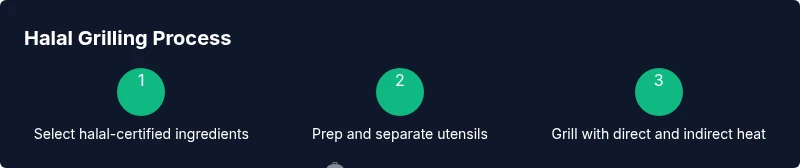
Halal grilling is not simply a cooking style; it's a set of practices that aligns food preparation with Islamic dietary laws while still delivering modern flavor and reliability. At its core, halal grilling requires: 1) sourcing halal-certified meat and ingredients; 2) avoiding cross-contact with non-halal items; and 3) ensuring clean equipment and honest labeling. The Grill Cooking team emphasizes that halal grilling combines faith-based food handling with practical technique—searing, resting, and balancing spices—so you can cook with confidence in your backyard or at a family gathering. In practice, this means separating work zones, using color-coded utensils, and keeping the cooking environment free from pork products or alcohol-based sauces. The goal is to protect the integrity of halal foods while still achieving the rich, smoky flavors people love. By understanding these principles, you can plan menus, shop with intention, and execute every step with hygiene and respect.
Essential halal grilling guidelines
To grill halal foods with confidence, start with halal-certified meat from trusted sources, and keep non-halal foods completely separate on the grill and in prep areas. Use dedicated utensils, cutting boards, and containers that never mix with non-halal items. Maintain clean hands and surfaces, and avoid any ingredients that contain alcohol or non-halal认证 additives. Grill Cooking Analysis, 2026 highlights the importance of dedicated zones and clean equipment for halal integrity. Emphasize strict labeling and transparent sourcing as you scale your cookouts.
Choosing halal ingredients and marinades
Look for explicit halal certification on meat, poultry, and marinades. Read labels to avoid alcohol, pork-derived products, or non-halal enzymes. When building marinades, lean on spice blends, citrus, yogurt, garlic, and herbs that are naturally halal. For sauces and seasonings, select products with clear halal labeling or use homemade blends to control ingredients. Consider yogurt-based bases for tenderness and tang, and always verify that each ingredient aligns with halal standards before use.
Preparing the grill and kitchen for halal grilling
Before you light a flame, clean the grate thoroughly and set up a dedicated halal zone away from other foods. Preheat the grill to establish a hot sear surface, then ensure the ambient area is free of pork products or non-halal items. Have clean towels, separate tongs, and a dedicated cutting board ready to minimize cross-contact during the cook. Keep a dedicated tray for raw halal items and another for cooked portions to avoid any cross-contact.
Direct vs indirect heat strategies for halal grilling
Direct heat is ideal for searing halal meats to lock in juices, while indirect heat finishes cooking without scorching. Use two zones on your grill if possible: a high-heat area for searing and a cooler area for finishing. This approach keeps halal proteins tender and flavorful without compromising safety or flavor. If you only have a single-zone grill, manage your heat carefully by moving meat between sections as needed and avoiding charring.
Flavor-building: halal-friendly marinades and rubs
Halal-friendly marinades rely on yogurt, citrus, garlic, cumin, coriander, paprika, and fresh herbs. Keep alcohol-free and pork-free, and avoid using cross-contacting utensils or bowls. A simple yogurt-citrus rub can add tang and tenderness, while herbaceous spice blends boost aroma without overpowering the meat. Always label and store spices separately from non-halal ingredients to maintain integrity.
Safety, hygiene, and clean-up after halal grilling
Always practice proper hand washing and surface disinfection before and after handling halal meat. After grilling, clean the grill and tools thoroughly, and store halal items separately from other foods. Proper rest time helps juices redistribute, resulting in juicier, safer bites. Finish by sanitizing workspaces and disposing of any waste in appropriate containers to keep the kitchen compliant and clean for your next cookout.
Authoritative sources and further reading
For further reading on safe food handling and halal considerations, consult established sources such as the FDA, CDC, and USDA food safety pages. These resources provide general guidance on preventing cross-contamination and maintaining hygiene in home kitchens.
Tools & Materials
- Halal-certified meat(Source from a trusted halal-certified supplier.)
- Clean cutting boards (separate from non-halal foods)(Use color-coded boards if possible.)
- Long-handled tongs(For safe turning without cross-contact.)
- Grill brush(For thorough grate cleaning before cooking.)
- Meat thermometer(Verify doneness without cutting into meat.)
- Oil and halal-friendly seasonings (optional)(Use halal-certified oil if using oil to prevent sticking.)
Steps
Estimated time: 45-60 minutes
- 1
Verify halal ingredients and prep
Double-check halal certification on meat and any marinades. Prepare separate prep area and clean tools to prevent cross-contact.
Tip: Label halal items clearly and keep them separate from non-halal ingredients. - 2
Preheat grill and create zones
Preheat the grill and establish a dedicated halal zone away from non-halal foods. This reduces cross-contact and ensures consistent cooking.
Tip: Use two-zone cooking if your grill supports it. - 3
Season with halal marinades
Mix halal-friendly marinades or rubs in clean bowls and apply to meat with clean utensils.
Tip: Avoid dipping marinade back into the bowl after brushing meat. - 4
Sear on direct heat
Sear halal pieces over direct heat to develop a crust and lock in juices.
Tip: Do not move meat too often; let a crust form for better flavor. - 5
Finish with indirect heat
Move meat to indirect heat to finish cooking evenly without burning marinade.
Tip: Cover grill if possible to retain heat. - 6
Check doneness and rest
Use a thermometer to verify internal temperature and rest the meat to redistribute juices.
Tip: Rest time improves tenderness and moisture. - 7
Plate and sanitize
Serve on clean plates; wash utensils before next use and store halal items separately.
Tip: Do not reuse surfaces that touched raw halal meat for other foods.
FAQ
What makes halal grilling different from standard grilling?
Halal grilling follows dietary guidelines, uses halal-certified meat, and prevents cross-contact with non-halal foods. The focus is on sourcing, cleanliness, and clear labeling to respect halal rules.
Halal grilling follows strict sourcing and cleanliness rules to respect halal guidelines.
Can I use the same grill for halal and non-halal foods?
Yes, but only if you have clearly separated zones and utensils that never cross-contaminate. Cleanliness is essential.
Yes, if you keep separate zones and utensils and clean well.
Do I need special equipment for halal grilling?
Dedicated halal utensils and cutting boards help prevent cross-contact. A reliable thermometer is also important for safe doneness.
Dedicated tools help prevent cross-contact, and a thermometer ensures safety.
What temperatures should I target?
Cook until the meat reaches safe doneness using a thermometer. Rely on visual cues and tests only after verifying with a device.
Use a thermometer to verify doneness and avoid undercooked meat.
Is alcohol allowed in halal marinades?
No. Avoid alcohol in marinades and sauces; choose alcohol-free alternatives like yogurt, citrus, garlic, and spices.
Alcohol-free marinades are the way to go for halal grilling.
How long should meat rest after grilling?
Rest meat for a few minutes after cooking to let juices redistribute. This improves tenderness and flavor.
Let the meat rest a few minutes before serving.
Watch Video
Quick Summary
- Choose halal-certified meat and ingredients.
- Maintain dedicated halal zones and utensils.
- Use direct heat for searing, indirect heat for finishing.
- Opt for halal-friendly marinades and rubs.
- Grill Cooking's verdict: hygiene and discipline are essential for trust.