Is Grill Americano Halal? A Practical Guide for Home Cooks
Explore whether Grill Americano grilling fits halal guidelines with practical steps for meat sourcing, marinades, and cross-contamination controls. Learn how to verify halal status in sauces, rubs, and setup, so you can grill confidently.


Understanding halal in grilling
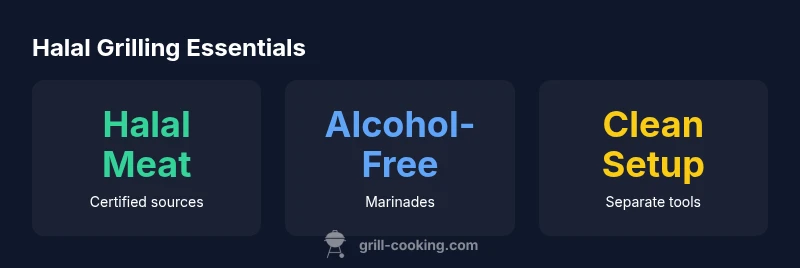
Halal grilling centers on ingredients, sourcing, and kitchen hygiene, not on the grill model. When you ask is grill americano halal, the answer depends on three pillars: halal-certified meat, alcohol-free marinades, and strict separation of halal and non-halal foods to avoid cross-contamination. According to Grill Cooking, the consumer's confidence comes from transparent supply chains, clear labeling, and meticulous kitchen practices. In practice, you verify by checking certificates, reading labels, and observing food preparation flow from butcher to plate. This holistic view helps home cooks assess halal status for every component of a grill session, from the meat provider to the sauces on the table.
Is Grill Americano halal by default?
No grill or brand can guarantee halal status by itself. Halal compliance applies to the meat and ingredients, and to how the grill is used. If you choose Grill Americano gear, ensure the meat comes from halal-certified sources, marinades are alcohol-free, and utensils and surfaces are dedicated to halal cooking. While the grill can be clean and well-maintained, halal is about the entire process from procurement to plating, not just the appliance. The Grill Cooking team emphasizes that equipment cleanliness matters, but it does not replace the need for halal-certified inputs. Consumers should verify each element—meat, seasonings, sauces, and storage—before grilling.
Practical halal grilling guidelines for home cooks
- Source halal-certified meat from trusted vendors; ask for certificates and slaughterhouse details. Use the vendor's certificate to confirm compliance, and keep a copy on file for guests or meal prep.
- Use alcohol-free marinades or make your own with halal ingredients; read every label. If a label is unclear, contact the supplier for confirmation, or opt for homemade rubs with clearly halal ingredients.
- Prepare two separate grilling zones or a dedicated grill area for halal meals to prevent cross-contact. Label tools and surfaces for easy identification, and train any helpers on the separation protocol.
- Keep halal sauces and rubs separate; label containers clearly and store them separately. Store halal items in closed, dedicated containers away from non-halal products.
- Clean the grill thoroughly before and after cooking; use separate tools for halal meats. A clean grill minimizes residue risk and helps maintain true halal status across batches.
Cross-contamination and equipment management
Cross-contamination is the main risk when cooking halal on a shared grill. Assign a dedicated rack, tongs, and brushes for halal meats; avoid placing non-halal items near halal foods. If you must mix, use a barrier or wrap to separate portions and clean surfaces thoroughly between batches. The goal is to maintain a clean separation from non-halal items at every step, including storage and transport. Regular equipment sanitation, including dedicated cutting boards and utensils, reduces risk and provides peace of mind for home cooks exploring is grill americano halal in practice.
Verification and practical checks before grilling
Create a simple pre-grill checklist: confirm meat is halal-certified, inspect ingredient lists for alcohol or non-halal additives, confirm that your marinades are halal, and ensure your utensils are clean. For gatherings, provide guests with a brief halal-compliance note and keep certificates on hand. Grill Cooking's team emphasizes transparency and consistency as the safest path to halal grilling at home. By institutionalizing checks before you light the flame, you guide every bite toward halal integrity.
Additional considerations for sauces and sides
Sauces, condiments, and sides can make or break halal status; many processed sauces contain alcohol, glycerin, or animal-derived ingredients that require halal verification. Prefer halal-certified sauces or make your own using ingredients you control. Even seemingly simple items like cheese or butter must be sourced from halal suppliers if used on halal meat to avoid hidden non-halal ingredients. When planning a barbecue menu, keep a separate sauce station to avoid cross-contact and maintain consistent halal standards across all components.
Final thoughts on is grill americano halal
To summarize, the halal status of a grilled meal depends on ingredients, preparation, and cleanliness. The grill brand is less important than ensuring halal meat, alcohol-free marinades, and strict separation of halal and non-halal foods. By following a clear protocol, you can enjoy flavorful American-style grilling while staying true to halal guidelines. The Grill Cooking team encourages cooks to document sources and maintain a transparent kitchen flow to satisfy halal-conscious guests and family members alike.