The Ultimate Guide to Grilling Kebabs
Learn to grill kebab with marination, skewering, and precise heat control. This comprehensive guide covers ingredients, tools, timing, safety, and pro tips for delicious kebabs at home.


By the end, you’ll grill kebab flawlessly: marinate, skewer, and grill for juicy, evenly cooked skewers. Gather meat, vegetables, skewers, and a hot grill, plus a thermometer and tongs. Follow a clear step-by-step process to balance heat, timing, and safety, delivering tender, flavorful kebabs every time.
Why Grill Kebabs Shine
According to Grill Cooking, kebabs showcase versatility and bold flavor by combining succulent chunks of meat with colorful vegetables on a portable skewer. The method emphasizes even cooking, controlled heat, and minimal equipment, making it an approachable option for weeknight dinners and weekend barbecues alike. The magic lies in balancing marination, skewer construction, and grill timing so every bite delivers moisture, char, and aroma without drying out. This approach helps home cooks achieve restaurant-like results with confidence and consistency.
-Grill kebabs offer customizable flavor profiles—from smoky and savory to bright and tangy—thanks to marinades, spice blends, and fresh herbs. -Uniform chunk sizes ensure even heat exposure, reducing the risk of overcooking the edges while the centers stay juicy. -Using proper skewers and a clean grill minimizes sticking and tear-out, preserving the integrity of the meat and vegetables.
Grill Cooking Analysis, 2026 highlights the importance of preparation timing and temperature control for kebabs, encouraging readers to establish a routine that fits their grill type and ingredient mix.
The Basics: Grill Kebabs Defined
Grill kebabs are small, evenly cut pieces of meat and vegetables threaded onto skewers and cooked over direct heat. They can feature meat alone, seafood, or mixed proteins with vegetables. Typical components include marinated chicken, beef, lamb, or shrimp paired with peppers, onions, mushrooms, and zucchini. The key is uniform chunk size, balanced marination, and steady heat to render fats and fibers without burning sugars on the surface. Skewers can be metal or wood; if using wood, soak them to prevent ignition. This basic template can be adapted for backyard grills, campfires, or high-end gas grills while maintaining tenderness and flavor.
-Choose a main protein and at least one veggie for each skewer to ensure balanced texture and taste. -Pre-cut pieces to uniform thickness so they cook evenly. -Consider alternating meat and vegetables to create color and contrast on the plate.
Marinades and Flavor Pairings
Marinades are the primary vehicle for flavor and moisture in kebabs. A good marinade typically includes an acid (like citrus or yogurt), oil for moisture and glaze, salt, and aromatic spices. The acid helps tenderize meat fibers, while oil carries fat-soluble flavors and keeps the surface from sticking. Popular pairings include a yogurt-lemon-garlic blend for chicken, a soy-ginger-wine combination for beef, and a herbaceous olive oil mix for lamb. Marinating time varies with protein: longer for tougher cuts, shorter for delicate seafood. Always marinate in the refrigerator and discard any used marinade that contacted raw meat.
Grill Cooking Analysis, 2026 emphasizes keeping marinade safe by avoiding re-use and maintaining consistent refrigeration during marination.
Choosing Ingredients: Meats, Veggies, and Skewers
Selecting quality ingredients sets the foundation for flavorful kebabs. For meat, consider thighs over breasts for juiciness and resilience to heat. Lamb and beef are excellent options, with leg or chuck providing good texture. For vegetables, peppers, onions, mushrooms, and zucchini add sweetness and color. When skewering, ensure pieces are about the same size for even cooking. If using wood skewers, soak for at least 30 minutes; metal skewers can be reused but should be scrubbed clean. Consider a mix of marinated proteins and robust vegetables to avoid soggy skewers and ensure a satisfying bite from start to finish.
-Use firm vegetables that hold shape under heat. -Trim fat properly to prevent flare-ups. -Alternate meat and vegetables to improve heat distribution.
Skewer Setup: Wood vs Metal and Soaking Tips
Wood skewers are affordable and flavorful when properly prepared, but they require soaking to prevent scorching. Soak lengths for at least 30 minutes; longer soaking reduces the risk of burning during grilling. Metal skewers are reusable and coin the best heat conduction for even cooking. When threading, leave a little space between pieces to let heat circulate. A tight cluster can create uneven cooking and may cause pieces to steam rather than sear. For best results, thread meat and vegetables with the most uniform pieces toward the center for easy handling and consistent browning.
-Soaked wooden skewers are safer for high-heat grilling. -Thread with consistent spacing for even cooking and airflow.
The Grill Setup: Direct Heat vs Indirect for Kebabs
Kebabs cook best with a two-zone grill setup: a hot direct-heat area for searing and a cooler indirect zone for finishing. Start with high heat to develop a flavorful crust, then move skewers to the indirect zone to finish cooking without burning sugars on the surface. If your grill doesn’t support zone cooking, use a two-step approach: sear over direct heat for a couple of minutes per side, then reduce the flame or move the skewers away from flames to gentle heat until the interior reaches the desired doneness. Keep lid on during longer finishes to trap heat and expedite even cooking.
-Direct heat rapidly browns edges and caramelizes sugars. -Indirect heat prevents over-char and niggling dryness.
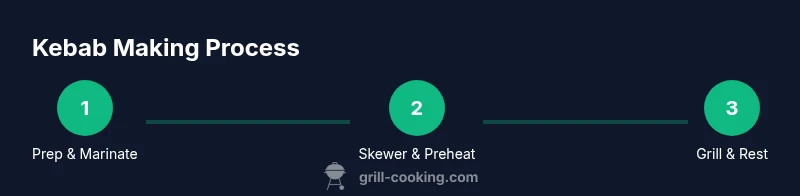
Step-by-Step Overview: Prep, Skewer, Grill, Rest
This section gives a concise framework to align with the full step-by-step guide. Begin with ingredient prep and marination, then assemble skewers with uniform pieces. Preheat the grill and oil the grates to prevent sticking. Sear the kebabs on all sides, then transfer to indirect heat to finish cooking. Rest briefly before serving to allow juices to redistribute. Throughout, monitor heat, avoid crowding, and flip only once per side for optimal texture and color.
-Prep ingredients, marinate, and rest before skewering. -Maintain even spacing and avoid overcrowding on the grill.
Troubleshooting, Safety, and Cleanliness
Common issues include uneven cooking, sticking, and flare-ups. To prevent sticking, oil the grates and ensure the pieces aren’t overcrowded. Manage flare-ups by moving skewers away from flames and having a water spray bottle handy. Safety begins with clean hands, clean utensils, and separate plates for raw and cooked items. After grilling, rest kebabs briefly and keep hot foods hot until serving. Cleaning a grill while it’s warm makes residue easier to remove and reduces the buildup of char.
-Avoid overcrowding to ensure air flow and even browning. -Always rest meat to reabsorb juices. -Store leftovers promptly at safe temperatures.
Authoritative Sources and Data to Read Next
For deeper understanding of safe handling and grilling best practices, consult reliable sources. Here are a few references from government and university resources that discuss marination, cooking temperatures, and grill safety:
- https://www.fsis.usda.gov/food-safety/safe-food-handling-and-preparation
- https://extension.illinois.edu/food-safety/grilling-safety
- https://www.cdc.gov/foodsafety/keep-food-safe.html
These sources reinforce practical steps for safe preparation and cooking, complementing hands-on practice with science-based guidelines.
Quick Visual Guide: Temperature, Doneness, and Doneness Cues
A compact reference to guide doneness cues enhances cooking confidence. Look for color, texture, and firmness in meat: chicken should reach safe internal temperature, pork and beef show gradual color changes, and vegetables should be tender-crisp. Use this guide to calibrate flame height and cooking duration on your grill. Resting time helps redistribute juices and intensify flavor.
- Visual cues align with doneness targets.
- Use a thermometer for accuracy where precision matters.
The Grill Cooking Way: Final Recommendation
The Grill Cooking team emphasizes practice, patience, and precision when grilling kebabs. Start with clean equipment, fresh ingredients, and clear marination plans. With consistent heat management and careful skewer construction, you’ll achieve juicy centers, caramelized exteriors, and vibrant presentation. The Grill Cooking team recommends building a simple prep routine and refining timing with your specific grill and ingredients for repeatable success.
Final Pro Tips for Perfection
- Plan ahead: trim and marinate with attention to protein type and cut quality.
- Maintain consistent piece size for even cooking.
- Use a thermometer to confirm doneness for poultry and pork.
- Rest skewers briefly before serving to lock in juices.
Tools & Materials
- Stainless steel skewers (metal)(12-14 inch length for standard servings, or 6-8 inch for bite-sized skewers)
- Wood skewers(Soak for at least 30 minutes; use only if well-soaked to prevent burning)
- Mixing bowls(Multiple bowls for marinating and tossing vegetables)
- Sharp chef’s knife(For clean, even cuts of meat and vegetables)
- Cutting board(Non-slip surface; separate from raw meat area)
- Tongs(For turning skewers safely without piercing meat)
- Meat thermometer(Check internal temperature for doneness)
- Grill brush(Clean grates before cooking)
- Oil spray or brush(Lightly oil grates to prevent sticking)
- Paper towels(Keep hands and surfaces dry and clean)
- Heat-resistant gloves(Optional but helpful for handling hot skewers)
- Marinade ingredients(Herbs, spices, acids, and oil tailored to your flavor profile)
Steps
Estimated time: 40-60 minutes
- 1
Prep protein and vegetables
Wash and pat dry ingredients. Cut meat and vegetables into uniform chunks, roughly 1.5-2 inches. Mix a marinade or dry rub with chosen flavors and coat the pieces evenly.
Tip: Keep the meat and veg refrigerated while you cut and season to maintain freshness. - 2
Soak wooden skewers
If using wooden skewers, soak them in water for at least 30 minutes to prevent burning on the grill. Gently shake off excess water before threading.
Tip: Use longer skewers if you plan to load multiple pieces per skewer. - 3
Preheat grill
Heat the grill to a medium-high temperature to start searing. Build a two-zone setup if possible: a hot direct zone and a cooler indirect zone.
Tip: A properly heated grill reduces sticking and helps achieve an even crust. - 4
Thread evenly
Skewer pieces with uniform size, leaving small gaps between pieces for heat circulation. Alternate meat with vegetables to maximize flavor and airflow.
Tip: Avoid crowding; overcrowding slows cooking and causes steaming rather than searing. - 5
Oil the grates
Lightly oil the grates or brush tops of skewers to minimize sticking. Do this just before placing skewers on the grill.
Tip: Oil the grill, not the meat, to avoid overly greasy skewers. - 6
Sear on direct heat
Place skewers over direct heat and sear for a couple of minutes on each side until a crust forms.
Tip: Resist the urge to move pieces too soon; a good crust forms when the meat releases easily from the grate. - 7
Finish on indirect heat
Move skewers to indirect heat to finish cooking through without burning the exterior. Check for doneness with a thermometer.
Tip: Cover the grill to trap heat if your grill isn’t producing enough ambient warmth. - 8
Check internal temperature
Verify doneness with a thermometer according to protein type (e.g., poultry requires a safe internal temp).
Tip: Always confirm with a thermometer rather than relying on color alone. - 9
Rest and baste (optional)
Let kebabs rest a few minutes after removing from the grill. A light brush of marinade or oil can add gloss and extra flavor.
Tip: Resting helps juices redistribute for juicier bites. - 10
Serve with sides
Offer complementary sides like rice, flatbreads, or fresh salad. Arrange skewers on a warm platter for visual appeal.
Tip: Keep hot foods hot and serve promptly for best texture.
FAQ
What is the best marinade time for kebabs?
Marinade times vary by protein. Poultry usually benefits from several hours, while beef or lamb can be marinated shorter. Always marinate in the refrigerator and avoid cross-contamination.
Marinate poultry for a few hours and meat for longer, keeping everything cold in the fridge.
Should I soak wooden skewers?
Yes. Soak wooden skewers for at least thirty minutes to prevent burning on the grill. Dry them slightly before threading ingredients.
Yes, soak the skewers to prevent scorching.
How do I know when kebabs are done?
Use a meat thermometer for accuracy. Poultry should reach safe internal temperature; beef and lamb can be checked by texture and color if preferred. Vegetables should be tender-crisp.
Check with a thermometer to be safe; trust texture and color for vegetables.
Can I grill kebabs on a gas grill or charcoal grill?
Kebabs work on both gas and charcoal grills. The key is consistent heat and proper airflow, so adapt your method to the grill you own.
Yes, kebabs work on gas or charcoal; just keep heat steady.
What ingredients pair well with kebabs?
Common pairings include lemon, garlic, herbs, yogurt, and soy-based sauces. Balance sweetness from peppers with savoriness from meat for a harmonious bite.
Bright herbs, citrusy marinades, and a touch of yogurt or soy sauce work well.
How long should I rest kebabs after grilling?
Rest kebabs for a few minutes to reabsorb juices and improve tenderness before serving.
Let them rest briefly before serving for juicier bites.
Watch Video
Quick Summary
- Prepare uniform meat and veg chunks for even cooking
- Use two-zone grilling to get crust and doneness without burning