Grill Hot Wings: The Ultimate Guide to Crispy Flavor
Discover how to grill hot wings from prep to plate: perfect crisp skin, even heat, and bold Buffalo-inspired flavor with expert tips from Grill Cooking.


By the end, you'll grill hot wings that are juicy inside and blistered on the outside. This guide covers choosing wings, seasoning and marinating, building even indirect heat, timing the sauce, and safe handling. You'll learn how to manage temperature, test doneness, and achieve consistently crispy, spicy wings on a charcoal or gas grill.
Why Grilling Hot Wings Wins
According to Grill Cooking, grilling hot wings delivers unbeatable texture: crisp skin with a juicy interior, and a layer of smoky flavor you simply can't get from frying. The outer heat caramelizes the buffalo sauce while rendering the fat, producing a satisfying bite with less mess than deep-frying. This approach scales well for weeknight dinners or game-day gatherings, and it works with charcoal, gas, or pellet grills. The key is to set up two zones: high direct heat for crisping and a cooler indirect area to finish cooking without scorching. By understanding how heat moves across metal grates, you can avoid rubbery wings and achieve uniform doneness from tip to drumette. Remember that safe handling matters: cook to an internal temperature of 165°F and rest briefly before saucing or serving.
Selecting Wings and Seasonings
Choose fresh wings in a two-prong mix of drumettes and flats for best texture. Pat the wings dry with paper towels to remove surface moisture, which helps achieve crisp skin rather than steamed skin on the grill. A simple dry rub of salt, pepper, paprika, and garlic powder creates a solid base; you can also use a brief marinade (30–60 minutes) with a touch of oil to help the rub adhere. For heat and flavor, keep Buffalo-style sauces or bold honey-garlic variations on hand. If you prefer minimal prep, start with pre-cut party wings labeled “wings” at the butcher or grocery store and pat dry before tossing with oil and rub. Grill Cooking recommends testing your sauce density on a small wing piece first to prevent unexpected scorching.
Heat Management: Direct vs Indirect Grilling
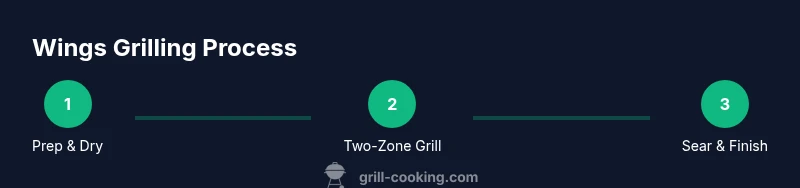
A two-zone grill setup is your best friend for hot wings. Preheat the grill to about 425–450°F over direct heat for crisping. Move wings to indirect heat after they develop a light crust, then rotate and flip to ensure even cooking. This two-stage approach prevents the sugars in the sauce from burning while the interior reaches a safe 165°F. If you’re using charcoal, push hot coals to one side; for gas grills, leave one or two burners off or set to low. Time and temperature will vary by wing size and grill type, but anticipate 18–25 minutes total, with a final minute or two over direct heat to boost color and texture.
The Sauce Moment: When to Sauce and How
Sauce timing is critical for flavor and texture. For buttery, sugar-rich sauces, apply a light glaze during the final minutes of direct heat to avoid burning. If you prefer a drier, crisper finish, sauce after removing wings from the heat and let them rest for a couple of minutes. Toss gently to coat evenly, then return to the grill for a quick 30–60 seconds if you want extra caramelization. Keep extra sauce on the side for dipping. This rhythm—crisp first, sauced last—helps maintain texture while delivering bold, hot flavor.
Troubleshooting and Variations
If wings come out undercooked in the middle, finish them on indirect heat with the lid closed to trap heat. If the skin isn’t crisp enough, sear briefly over direct heat, moving them continuously to prevent scorching. For a smoky twist, add a handful of wood chips (like hickory or cherry) to your grill box or directly on coals. Variations include buffalo, habanero, maple-bacon, or garlic butter glazes. For a less spicy option, balance heat with sweet rubs or a citrus-laced sauce.
Safety, Hygiene, and Clean-Up
Always pat wings dry before seasoning. Use separate boards and utensils for raw poultry to minimize cross-contamination, and wash hands and surfaces after handling. Grill grates should be clean and lightly oiled to prevent sticking. After cooking, allow the grill to cool, then wipe, rinse, and sanitize surfaces. Store any leftover wings in a shallow, airtight container in the refrigerator for up to 3–4 days. Reheat gently to avoid drying out the meat, and consider freezing uncooked wings if you plan to batch-prep.
Serving Ideas and Quick Pairings
Serve hot wings with celery sticks, blue cheese or ranch dressing, and a cooling beverage to balance heat. Classic accompaniments include carrot sticks, cornbread, or crispy fries. For a modern twist, offer a side of pickled jalapeños, a tangy ranch dipping sauce, or a zesty lime-cilantro dip. If you’re feeding a crowd, label mild, medium, and hot wings so guests can customize their heat level. This approach keeps the experience enjoyable and interactive while showcasing your grilling skills.
Tools & Materials
- Wings (drumettes and flats, fresh)(About 2–3 pounds for 4–6 servings; trim any obvious loose skin)
- Dry rub or marinade(Salt, pepper, paprika, garlic powder; oil optional for adherence)
- Oil for coating(Neutral oil like canola or light olive oil)
- Two-zone grill setup (indirect/direct heat)(Gas: preheat both zones; Charcoal: bank coals to one side)
- Tongs and heat-safe spatula(Long-handled to keep hands away from flames)
- Food thermometer(Target internal 165°F (74°C) for safe consumption)
- Sauce options or dips(Buffalo, honey garlic, BBQ, or spicy citrus sauces)
- Paper towels(Pat wings dry and blot excess moisture)
- Optional wood chips(For smoky flavor (soak and use as per grill type))
Steps
Estimated time: 45-60 minutes
- 1
Pat wings dry
Pat wings completely dry with paper towels to remove surface moisture. This helps achieve crispy skin and reduces steaming on the grill. If the wings look wet, dry them again before seasoning.
Tip: Thorough drying is the single most effective step for crispiness. - 2
Season and coat
Toss wings with a light coating of oil, then dust with a balanced dry rub of salt, pepper, paprika, and garlic powder. For extra heat, add a pinch of cayenne or chili powder. Allow rub to adhere for 5–10 minutes before grilling.
Tip: A light oil helps the rub stick and promotes browning without excess smoke. - 3
Preheat and oil the grill
Preheat the grill to 425–450°F and oil the grates to prevent sticking. Set up the grill in two zones: hot direct heat for crisping and cooler indirect heat for finishing.
Tip: Two-zone setup reduces burning risk and ensures even doneness. - 4
Crisp then finish
Place wings over direct heat for 4–6 minutes, turning once until the exterior is deeply colored. Move wings to indirect heat to finish cooking through without burning.
Tip: Watch closely—sugar in sauces can burn quickly on direct heat. - 5
Apply sauce selectively
If saucing, glaze during the last 2–3 minutes of cooking or after removing from the grill to avoid burning. Toss to coat evenly and return to heat for brief caramelization if desired.
Tip: Sauce edges prevent soggy skin and control sweetness. - 6
Test and rest
Check internal temperature with a thermometer; aim for 165°F. Remove from heat, let rest 3–5 minutes, then serve with dips and celery.
Tip: Resting redistributes juices for juicier wings.
FAQ
Can I use boneless wings for this method?
Boneless wings can be grilled, but they cook faster and may dry out more easily. Reduce time by 2–3 minutes per side and monitor internal temperature closely.
Boneless wings work, but watch time closely to avoid drying out.
What temperature should I aim for on the grill?
Aim for a two-zone setup: 425–450°F over direct heat for crisping, then move to indirect heat to finish cooking gently.
Use two zones: hot for searing, cool for finishing.
How long do wings take to cook on charcoal vs gas?
Most wings finish in 18–25 minutes total, depending on size and heat setup. Gas grills tend to heat consistently; charcoal adds a smoky edge.
Wings usually take about 20 minutes; adjust for your grill kind.
Should I marinate wings before grilling?
A light marinade of oil and spices can help flavor, but wings benefit most from a dry rub and quick rest rather than long marination, which can break down texture on the grill.
A light rub works best; avoid long marinades that soften skin.
What dips pair best with grilled hot wings?
Classic ranch or blue cheese dip pairs well with spicy wings. Veggie sticks and chips provide crunch; citrusy dips also balance heat.
Ranch or blue cheese is a great match; add fresh veggies for contrast.
Can I make wings ahead and reheat?
You can grill and refrigerate wings for up to 3–4 days. Reheat briefly in a 350°F oven or on the grill for a few minutes to restore crispiness.
Yes, you can prep ahead; reheat to crisp up before serving.
Watch Video
Quick Summary
- Create two grill zones to control heat and crispiness.
- Dry, season, and oil wings for even browning.
- Sauce timing is critical to avoid scorching.
- Target 165°F internal temperature for safety.
- Rest wings briefly before serving.