Chicken Wings on the Grill: A Complete How-To
Learn to grill chicken wings with crispy skin, juicy meat, and flavorful glaze. This step-by-step guide covers prep, heat control, rubs, sauces, and troubleshooting for perfect wings on any grill.


In this chicken wings grill guide, you’ll learn a proven, step-by-step method to get crispy skin and juicy meat. You’ll master two-zone grilling, safe temperatures, and timing, plus rubs and sauces that elevate flavor. By following these steps, home cooks can achieve consistently delicious wings without burning them.
Prep and safety for grilling chicken wings
Mastering the chicken wings grill starts with solid prep and strict safety. Begin by thawing wings fully if frozen, then pat them dry with paper towels to remove surface moisture that can steam rather than crisp. Separate wings into flats and drumettes if you prefer a uniform bite, or leave whole if you like the look of a full wing. Work surfaces should be clean, and hands, utensils, and cutting boards must be free of raw poultry contamination. Wash up frequently and avoid cross-contamination with other foods. According to Grill Cooking, proper prep and temperature control are the backbone of a great grilling result, and that mindset carries through every recipe. The Grill Cooking team emphasizes planning: set up two heat zones, have your thermometer ready, and choose a glaze or rub that complements the wing’s natural flavor. The goal is a crisp, blistered skin with juicy meat inside, achieved through careful handling and the right grilling technique. Prevent over-wet surfaces by patting dry and allowing time for air-drying when possible. For the chicken wings grill, patience and sanitation are as important as heat management.
Understanding heat zones and direct vs indirect grilling for wings
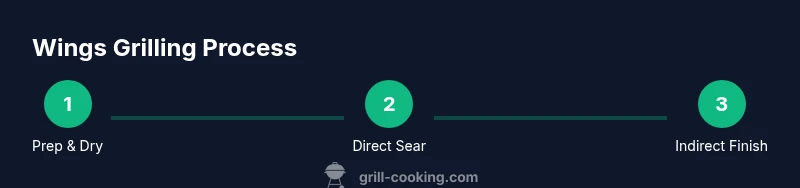
A successful wings cook relies on controlled heat. Set up two zones: direct heat for browning and crisping, and indirect heat for finishing without burning. Direct heat should be hot enough to sizzle when wings touch the grate, typically in the upper end of medium to medium-high. Indirect heat cooks more slowly, allowing you to reach an internal target without scorching skin. Wings often benefit from starting on direct heat to color the skin, then moving to indirect heat to finish cooking through the thickest parts. This two-zone approach avoids a raw center while preserving a blistered, flavorful exterior. Grill Cooking notes that wings grill best when you monitor ambient heat rather than chasing a single temperature, adjusting vents and lid position to maintain even warmth throughout the cook.
Choosing wings and prepping them for grilling
Choose fresh wings if possible; their texture holds up better to high heat. Split whole wings into flats and drumettes, or leave them intact for a classic appearance. Pat wings dry again after splitting, because surface moisture is the enemy of crisp skin. Optional brining or light marinade can deepen flavor and improve juiciness, but be mindful of salt balance. If you brine, a 15–30 minute soak is enough for small batches. Rinse quickly if you’ve brined, then pat dry thoroughly before seasoning. For a simple baseline, season wings with a dry rub that includes salt, pepper, and paprika, then let sit 10–20 minutes to let the spices adhere. The goal is to maximize browning and flavor without delaying the grill time.
Dry rubs and marinades that work on wings
Dry rubs create a crisp, spicy, or smoky crust. A balanced rub typically includes salt, pepper, paprika, garlic powder, and a touch of chili for heat. For a smoky edge, add smoked paprika or a pinch of cumin. If you prefer a wet option, marinate wings in a soy-ginger or hot-sauce-based mixture for 15–60 minutes, but do not exceed 2 hours to avoid texture changes. For a classic grill finish, try a rub with 2–4 teaspoons per pound of wings, adjusting for taste. Grill Cooking’s tested approach favors even coating and letting the rub set for a short time so the sugars caramelize when hitting the heat. Either route—dry rub or marinade—should complement the sauce you plan to apply later, not mask it.
Grilling step-by-step: direct grilling for crisp skin, then finish indirect
- Preheat the grill and oil the grates to prevent sticking. 2) Arrange wings on the direct-heat zone, skin-side down, and cook until the skin blushes and browns. 3) Flip and continue until the other side shows color. 4) Move wings to the indirect zone to finish cooking through the thickest parts. 5) Use a thermometer to check for a safe internal temperature. 6) Remove from heat, let rest briefly, and apply glaze or sauce if desired. 7) Return to the direct heat for a quick glaze set if needed. 8) Rest and serve.
How to tell when wings are done and safe to eat
Wings are safe when the internal temperature reaches 165°F (74°C) in the thickest part. If you don’t have a thermometer, check for clear juices running from the joint and no pink meat near the bone. Let wings rest 3–5 minutes after removing from the grill to redistribute juices. Use a thermometer with a fast readout for accuracy. Grilling at the right pace prevents dry meat while ensuring doneness. The aim is a tender bite with a crisp exterior, not overcooked toughness. Grill Cooking emphasizes using resting time as part of the cooking process, so the final texture remains juicy.
Saucing and glaze timing for optimal flavor
Apply sauce toward the end of cooking to prevent sugar from burning. If you want a lacquered finish, brush during the last 5–7 minutes, turning wings frequently to evenly coat. For a mild glaze, simmer sauce separately and toss wings in a large bowl just before serving. If you prefer a dry finish, skip saucing and serve with a dipping sauce on the side. The best combinations balance heat, sweetness, and acidity to complement the wings without overpowering their natural flavor. Grill Cooking suggests tasting with a small sample before glazing the entire batch to calibrate sweetness and heat levels.
Troubleshooting common issues you might encounter
Common problems include uneven browning, soggy skin, and dry meat. If skin isn’t crisp, increase direct-heat time or dry off moisture more thoroughly before cooking. Flame flare-ups can char wings—keep grill clean and watch for gusts. If wings cook unevenly, rotate cells or move smaller pieces closer to the heat source. If wings look dry, consider a brief brine or a touch more fat in your rub. Always keep a thermometer handy and monitor while cooking. The goal is consistent color, crisp texture, and moist interior without burning.
Serving suggestions, cleanup, and grill maintenance
Serve wings with tangy sauces or classic ranch or blue cheese dressing. Provide celery sticks and pickles for crunch and contrast. After cooking, wipe down grates, inspect burners, and remove any burnt residue to maintain performance for your next wings session. Clean up promptly to prevent buildup and preserve flavor in future batches. Regular maintenance includes checking thermometer accuracy and seasoning to ensure consistent browning across batches.
Flavor variations and advanced tips to elevate your wings
Experiment with different rub blends, from garlic-butter and chili-lime to honey-soy glaze. Add a splash of liquid smoke to the rub for a smoky depth without needing a smoker. For extra tenderness, consider a brief brine or a light yogurt-based marinade. Finishing sauces can switch up the appeal: buffalo, honey mustard, or a teriyaki glaze provide different profiles. The grill should never be an obstacle to creativity; use it to build bold, layered flavors that enhance the wings while preserving their juicy texture.
Tools & Materials
- Fresh chicken wings (split into flats and drumettes)(Ensure they are thawed and patted dry before cooking.)
- Dry rub ingredients (salt, pepper, paprika, garlic powder, chili)(Adjust ratios to taste; rub should cling to the surface.)
- Marinade or glaze (optional)(If using, keep it simple and balanced.)
- Grill with two heat zones(Direct heat for browning, indirect heat for finishing.)
- Thermometer (instant-read)(Check internal temp at the thickest part.)
- Tongs and a silicone brush(For turning wings and applying glaze.)
- Grill brush and water spray bottle(Used to manage flare-ups and clean grates.)
- Cutting board and paper towels(For prep and patting dry.)
- Aluminum tray or rack(For rest and easy transfer.)
Steps
Estimated time: 60-75 minutes
- 1
Prepare and pat dry
Thaw wings if frozen, pat dry thoroughly, and separate into flats and drumettes if desired. A dry surface promotes crisp skin and even browning. Set out rubs or marinades so they’re ready to apply after drying.
Tip: Dry skin makes skin crispier; don’t skip this step. - 2
Season or marinate
Apply rub evenly or marinate according to your plan. If using a rub, press it into the surface so it sticks during the initial sear. If marinating, avoid excess liquid to prevent steaming.
Tip: Let rub set for 10–20 minutes before grilling for better adhesion. - 3
Preheat and oil the grill
Preheat to two zones: direct heat and indirect heat. Light oil on grates to minimize sticking. A properly heated grill helps you achieve crisp skin quickly.
Tip: Close the lid when preheating to stabilize temps. - 4
Start on direct heat
Place wings skin-side down on the direct-heat zone. Let them brown and blister, about 3–5 minutes per side depending on grill heat. Avoid overcrowding the grate to ensure even browning.
Tip: Rotate wings to prevent hot spots from burning edges. - 5
Flip and monitor color
Flip wings to color the other side, then assess skin texture. When skin has a deep bronze color, you’re ready to move to indirect heat for finish cooking.
Tip: Color is not doneness—measure internal temp for accuracy. - 6
Finish on indirect heat
Transfer wings to the indirect zone to finish cooking through the thickest parts. This step prevents burning while ensuring safe internal temperature.
Tip: Keep lid closed to maintain steady heat. - 7
Check internal temperature
Use an instant-read thermometer to ensure 165°F (74°C) in the thickest part. If not, give a few more minutes on indirect heat.
Tip: A thermometer is your best friend for consistent results. - 8
Apply glaze or sauce (optional)
If glazing, brush sauce during the last 5–7 minutes and turn wings for even coating. Avoid sauces with high sugar content too early to prevent scorching.
Tip: Separate glazed wings from non-glazed if you want variety. - 9
Rest and serve
Allow wings to rest 3–5 minutes before serving to redistribute juices. Plate with dipping sauces and celery sticks for contrast.
Tip: Resting improves juiciness and texture. - 10
Cleanup and maintenance
Wipe grates, inspect burners, and store wings gear properly for next time. A clean grill performs better and yields more consistent browning.
Tip: Regular maintenance reduces flare-ups and improves flavor.
FAQ
Should I parboil wings before grilling to save time?
Parboiling is optional. It can speed up cooking and ensure doneness, but it adds an extra step and can soften texture if overdone. If you parboil, dry thoroughly before grilling to regain crisp skin.
Parboiling is optional; you can skip it and finish on the grill for crisp skin.
What heat level should I use for wings on a charcoal grill?
Aim for two heat zones: hot direct heat for crisping and cooler indirect heat for finishing. Direct heat around high to medium-high, indirect heat around medium, to avoid burning while cooking through.
Two-zone heat is your friend for perfect wings on charcoal.
How long do chicken wings take to grill on a gas grill?
Grilling times vary, but plan for about 25–35 minutes total, depending on wing size and heat. Start with direct heat to color, then finish on indirect heat until the internal temperature reaches 165°F.
Usually 25 to 35 minutes, depending on heat and wing size.
Should I sauce wings during grilling or after?
Saucing is best done toward the end of grilling to avoid burning sugars. Brush on in the last 5–7 minutes, turning wings for even coverage.
Sauce near the end to prevent burning.
Is bone-in or boneless wings better for grilling?
Bone-in wings tend to stay juicier and develop better texture on the grill due to connective tissue. Boneless wings cook faster but can dry out if overcooked.
Bone-in wings usually stay juicier on the grill.
What should I do about flare-ups when grilling wings?
Flare-ups can char wings. Keep a spray bottle handy, close the lid to smother flames, and move wings away from the hottest zones if needed.
Control flare-ups by keeping the lid closed and moving wings away from direct flames.
Watch Video
Quick Summary
- Master two-zone grilling for wings to get crisp skin and juicy centers
- Pat wings dry and apply rubs evenly for consistent browning
- Finish over indirect heat to prevent scorching while ensuring doneness
- Sauce sparingly or later to avoid burning sugars
- Always rest wings before serving to maximize juiciness