Grill Corned Beef: A Complete Step-by-Step Guide
Learn how to grill corned beef with confidence. This guide covers selection, prep, indirect heat grilling, finishing, and serving, with tips to maximize tenderness and flavor.


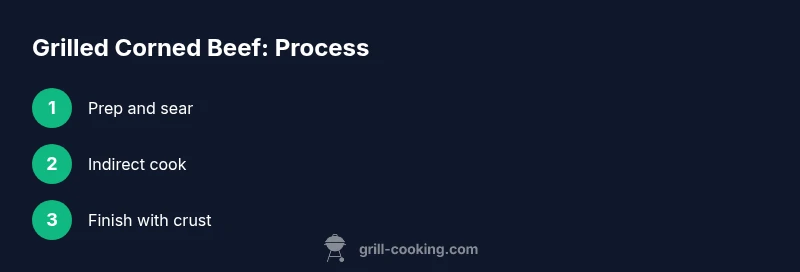
Yes—can you grill corned beef? You can, using a two-zone grill method: sear over direct heat to set the crust, then move to indirect heat to finish until tender. You’ll need a grill that can hold steady at 225–250°F (107–121°C), a meat thermometer, and a pan or foil to manage moisture and braising liquid.
Can You Grill Corned Beef? A Practical Introduction
If you’ve ever wondered can you grill corned beef, the answer is yes. Grilling a corned beef brisket takes this traditional cured cut to a new flavor level, delivering a savory crust with a juicy interior. According to Grill Cooking, this approach works best when you respect the meat’s brined character and balance heat with moisture. A two-zone setup—direct heat for browning and indirect heat for gentle cooking—lets you build texture without drying out the center. You’ll achieve a crusty exterior while keeping the middle tender enough to slice, which is the hallmark of a well-executed grilled corned beef. As you explore this method, think about moisture management, resting time, and glaze options that complement the saltiness rather than overpower it. If you’re asking can you grill corned beef in a home backyard, the answer is a confident yes, and the payoff is a deeply flavored, smoky centerpiece that pairs beautifully with tangy mustards and pickles.
About the Cut and What it Brings to the Grill
Corned beef is a brined, typically tough cut that benefits from slow, controlled cooking. When grilled properly, the intact connective tissue breaks down gradually, giving you a fork-tender slice with a satisfying chew. The key is to use indirect heat for the bulk of the cook and finish with a quick sear to form a crust. This approach preserves moisture and yields a robust beefy flavor that works well with traditional Irish-American flavor accents like mustard, caraway, or a touch of maple-syrup glaze. In your kitchen practice, you’ll discover that corned beef responds well to a light rub that enhances but doesn’t mask the natural saltiness. Remember: the grill should stay in a consistent temperature band, and you’ll monitor the internal temperature as you go to avoid overcooking. Your goal is a juicy core with a caramelized crust that carries smoke freely through the crust.
Why This Method Works for Home Cooks
Grilling corned beef translates the brined magic of the original process into a faster, more flavorful preparation. The two-zone method mirrors oven braising in effect: indirect heat gently tenderizes while an initial sear locks in juices and develops color. For home cooks, this means less guesswork than long, open-flame grilling and more control over texture. A properly grilled corned beef should slice cleanly without crumbling, offering pleasing uniformity from edge to center. This balance—crust plus tenderness—makes grilling a strong alternative to traditional boiling or slow roasting. If you’re considering the best way to present a weeknight beef, this approach delivers both taste and texture in a way that can be scaled for dinner parties or family meals.
Preparing Your Grill and Workspace
Before you begin, set up a two-zone grill. One side should be bright with direct heat; the other should be cooler and suited for indirect cooking. Have a shallow pan or aluminum tray ready to catch drippings and to hold a small amount of water or broth for moisture. Gather a thermometer, a basting brush, foil, tongs, and paper towels for quick cleanup. Keeping a clean work area helps you monitor doneness precisely and reduces the chance of burning sugar-based glazes. The goal is to reach a safe-and-tender interior while achieving the crisp exterior worth biting into. This planning makes the whole grilling process smoother and more predictable.
Flavor Considerations and Optional Glazes
Corned beef has a distinctive brine and spice profile. A light glaze or rub can elevate the crust without masking the underlying beefiness. Options include a Dijon-mustard glaze, a brown-sugar-and-miver (a touch of smoke-friendly sweetness) or a simple pepper-and-herb dust. When choosing flavors, think brightness (mustard, citrus) versus richness (maple, molasses). The glaze should be applied toward the end of cooking to prevent burning sugar. You’ll want to feel confident in balancing salt from the corned beef with the glaze’s sweetness, ensuring a harmonious finish that complements classic sides like cabbage, potatoes, or pickled vegetables.
Tools & Materials
- corned beef brisket (3–4 lb)(Brined, ready to cook; trim as needed)
- heavy-duty grill pan or disposable aluminum pan(For catching drippings and moisture)
- gas or charcoal grill with a lid(Two-zone setup is essential)
- meat thermometer(Monitor internal temp accurately)
- aluminum foil(Cover for resting and moisture control)
- tongs(For safe turning and handling)
- basting brush(Optional for glaze application)
- paper towels(Clean as you go and pat dry)
- wood chips or chunks (optional)(For added smoke flavor)
Steps
Estimated time: 2-3 hours
- 1
Prep the corned beef
Remove the meat from packaging and pat dry. If desired, trim excess fat to improve browning. Lightly rub with a balanced spice mix or a neutral oil to help the crust develop and to keep moisture from escaping too quickly.
Tip: Pat dry thoroughly; moisture on the surface can hinder browning. - 2
Preheat the grill
Set up a two-zone grill: one side direct heat, the other indirect. Target a steady 225–250°F (107–121°C) on the indirect side. Smoke chips can be added to the coal or placed in a smoker box for extra flavor.
Tip: Do not leave the grill unattended while lighting charcoal or starting gas burners. - 3
Sear and start indirect cooking
Sear the corned beef over direct heat for 3–5 minutes per side, just until a crust forms. Then move the meat to the indirect zone to continue cooking slowly. If using a pan, add a splash of broth or water to keep surfaces moist.
Tip: Searing early locks in juices and creates a flavorful crust. - 4
Maintain moisture and monitor doneness
Cover and cook with the lid closed, checking temperature every 15–20 minutes. Target an internal temperature of 190–205°F (88–96°C) for tenderness. Add a small amount of broth if the pan dries out.
Tip: Resist the urge to baste too often; frequent moisture can stall crust formation. - 5
Finish with a crust and glaze
During the last 10–15 minutes, finish with a light glaze or rub, then sear briefly over direct heat to restore a crust without burning the glaze. Let the meat rest, loosely covered, for 10–15 minutes before slicing.
Tip: Resting helps redistribute juices and keep slices juicy. - 6
Slice and serve
Slice thinly against the grain for maximum tenderness. Serve with mustard, pickles, or your favorite slaw. If leftovers exist, refrigerate promptly in shallow containers for even cooling.
Tip: Slice at a slight angle for attractive presentation.
FAQ
Can you grill corned beef without boiling first?
Yes. Grilling without pre-boiling is possible, especially when you start with a well-brined cut and use indirect heat to tenderize. A short pre-sear helps build crust without drying out the center.
Yes. You can grill it without boiling first, using indirect heat to tenderize and a quick sear for crust.
What temperature should I grill corned beef?
Aim for a steady 225–250°F (107–121°C) on the indirect side and monitor the meat with a thermometer. Temperature control is more important than chasing a specific time.
Keep the grill between 225 and 250 degrees and check the internal temperature with a thermometer.
How long does it take to grill corned beef?
Most whole corned beef portions require about 2–3 hours total depending on thickness and temperature stability. Start checking earlier with a probe in the center.
Around two to three hours, depending on size and heat, with checks using a thermometer.
Can you glaze corned beef while grilling?
Yes, but apply glaze in the last portion of cooking to prevent sugar from burning. A light glaze adds shine and flavor without overpowering the meat.
Yes—apply a light glaze toward the end to avoid burning.
Is leftover grilled corned beef good for sandwiches or repurposing?
Leftovers slice well for sandwiches or can be repurposed into hash or quesadillas. Refrigerate promptly and slice thin for best texture.
Leftovers work great for sandwiches or hash. Chill quickly and slice thin.
What safety steps should I follow when grilling corned beef?
Always thaw completely, keep raw meat separate, sanitize surfaces, and never reuse marinade that contacted raw meat unless boiled first. Use a thermometer to verify doneness.
Thaw fully, keep things clean, and cook to a safe internal temperature with a thermometer.
Watch Video
Quick Summary
- Grill corned beef with two-zone heat for best texture
- Moisture management is key to a juicy interior
- Finish with a light crust or glaze for flavor depth
- Rest before slicing to keep juices in the meat